



Choose Your Brass Champion
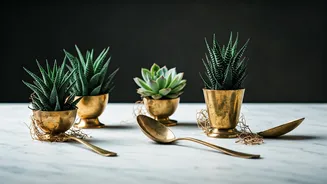
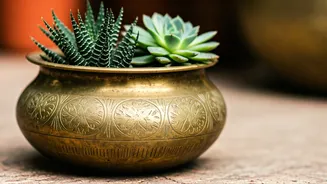
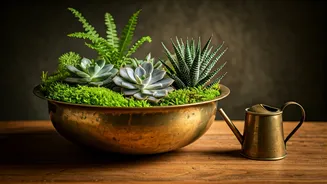
Look through your collection of heirlooms for items with potential. The best candidates are those with some depth, like old bowls, decorative *lotas*, ornate cups, or even wide, shallow *thalis*. Think about pieces that are perhaps too tarnished for display
or have a small dent that tells a story. These imperfections add character to your finished garden. A container that is at least a few inches deep is ideal, as it gives plant roots room to grow. Avoid anything with intricate filigree that might be difficult to clean or could trap excess water.
The Art of Preparation
Before your brass can house new life, it needs a thorough cleaning. For a brilliant shine, you can use traditional methods. A paste made from lemon juice and salt, or tamarind pulp, works wonders. Apply the paste with a soft cloth, let it sit for a few minutes, and then gently scrub and rinse. For a more antique, weathered look, you can simply wash the item with mild soap and water to remove dirt and grime, leaving the natural patina intact. The goal is to have a clean surface, whether you prefer it gleaming or aged. Ensure the item is completely dry before proceeding to the next step.
Solving the Drainage Dilemma
This is the most critical step for a healthy plant. Most plants, especially succulents, hate sitting in water as it leads to root rot. The ideal solution is to drill one or two small drainage holes in the bottom of your brass item. If you're comfortable with a drill, use a bit designed for metal and start with a small pilot hole. If drilling isn’t an option, you can create a false drainage layer. Place a one-inch layer of small pebbles, gravel, or broken terracotta pieces at the bottom of the container. This creates a reservoir where excess water can collect away from the plant's roots. You will just need to be much more careful with your watering schedule.
Select the Perfect Plants
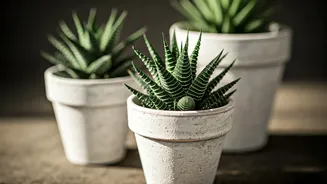
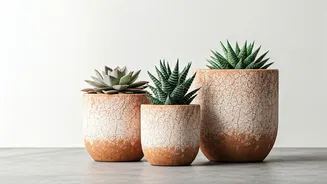
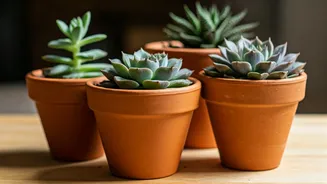
Small brass containers are perfect for plants that don’t require deep soil or constant moisture. Succulents and cacti are the top contenders. Their diverse shapes, colours, and textures look stunning against the warm glow of brass. Consider varieties like Echeveria, Haworthia, or a trailing Sedum. Air plants (Tillandsia) are another fantastic, no-fuss option; they don’t require any soil at all and can simply be arranged on a bed of decorative stones or moss. If you have a slightly deeper pot, a small snake plant or a cluster of resilient herbs like mint or thyme could also work beautifully.
Soil, Planting, and Assembly
If you're using succulents or cacti, use a special potting mix designed for them. This mix is grittier and allows for faster drainage than standard potting soil. If you created a drainage layer of pebbles, add a small piece of mesh or a coffee filter on top to prevent the soil from washing down into it. Next, add your soil, leaving enough space for your plant. Gently remove your plant from its nursery pot, loosen the root ball, and place it in the brass container. Fill in the gaps with more soil, pressing down gently to secure the plant. Don’t overfill; leave a little space at the top to make watering easier.
Styling Your Tabletop Treasure
Now for the fun part: finishing your creation. You can add a top layer of decorative pebbles, coloured sand, or small sea shells to hide the soil and give your garden a polished look. This also helps with moisture control. Place your new tabletop garden in a spot that receives the right amount of light for the plants you’ve chosen—most succulents love bright, indirect sunlight. These small gardens look wonderful as a centrepiece on a coffee table, grouped on a windowsill, or adding a touch of green to your work desk. They become living art that honours your family's history.