




The IEA's Sobering Forecast
The International Energy Agency projects that global electricity consumption by data centres, the backbone of the digital world, is set to nearly double by 2030, reaching approximately 1,000 terawatt-hours. This surge is equivalent to the entire current
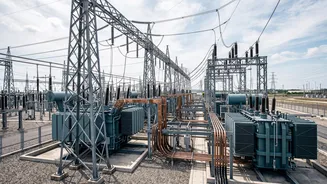
electricity consumption of Japan. The primary driver for this dramatic increase, accounting for roughly three-quarters of the growth, is the explosive expansion of artificial intelligence services. This rapid escalation in power demand is not just an operational concern for tech companies; it poses a significant challenge to energy grids and could lead to a 70% rise in the sector's carbon emissions by the end of the decade if not managed sustainably.
Why AI is So Power-Hungry
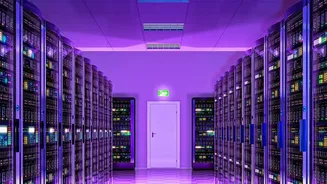
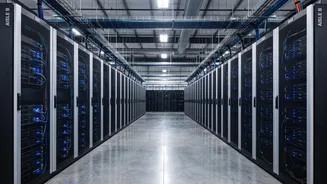
Unlike a simple web search that retrieves existing information, AI models perform complex calculations for every query. This process, known as 'inference', along with the initial 'training' of large language models, requires immense computational power. Training involves running thousands of specialised chips, or GPUs, continuously for weeks or months. These high-performance servers consume significantly more power and generate more heat than traditional hardware, with a single advanced server rack potentially demanding as much electricity as dozens of households. Consequently, data centres supporting AI need not only more power for computing but also for the advanced cooling systems required to prevent overheating.
The Impact on India's Digital Ambitions
For India, a nation undergoing a massive digital transformation, this global trend has profound local implications. The country's data centre capacity has been expanding at a breakneck pace, driven by data localisation policies and a race among global tech giants to establish a foothold. India's data centre market, primarily concentrated in Mumbai and Chennai, is expected to see its installed capacity grow fivefold by 2030. This boom is set to dramatically increase the sector's electricity demand, which could rise from 0.8% of national demand in 2024 to nearly 2.6% or more by 2030. This creates a dual challenge: ensuring the power grid can handle the load and aligning this growth with the country's clean energy goals, as the demand for renewable power from data centres is expected to outstrip supply.
The Search for Sustainable Solutions
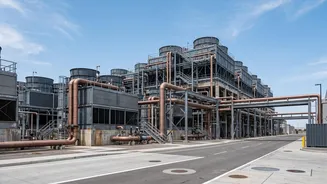
The technology industry is acutely aware of this challenge and is exploring a multi-pronged approach to mitigate the rising energy costs and environmental impact. Hardware manufacturers are designing more energy-efficient chips and server components. At the facility level, operators are implementing advanced cooling strategies, such as liquid cooling, which is far more efficient for high-density AI servers than traditional air cooling. There is also a strong push toward powering data centres with renewable energy through long-term power purchase agreements (PPAs). Furthermore, AI itself is being used to optimise data centre operations, intelligently managing power distribution and cooling systems to reduce waste and improve overall efficiency.