




1. Rayon: The Silky, Breathable Star
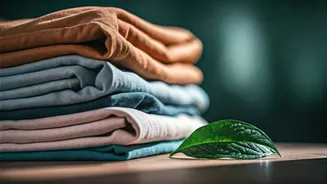
Rayon is a semi-synthetic fabric made from natural cellulose, often from wood pulp. It’s a monsoon favorite because it's lightweight, breathable, and has a smooth, silky texture that feels great against the skin. Rayon absorbs moisture well but doesn't
trap it, allowing it to dry much faster than pure cotton. This quality makes it ideal for humid conditions, as it prevents that sticky, clingy feeling. Its beautiful drape makes it perfect for flowy dresses, kurtas, and tops that are both stylish and practical for the season. However, rayon can be less durable than cotton, especially when wet, so gentle washing is recommended.
2. Cotton Blends: The Practical Classic
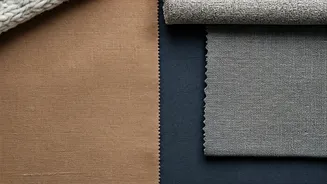
While 100% heavy cotton can become a liability during monsoon—absorbing water and taking ages to dry—lighter cottons and cotton blends are a different story. Look for gauze cotton, lightweight cotton, or cotton-linen blends. These fabrics maintain the breathability and comfort of cotton but are designed to be more practical in damp weather. A cotton-linen blend, for instance, has the structure and quicker drying time of linen, which counteracts cotton's tendency to hold moisture. These blends are perfect for everyday wear, from office kurtas to casual tops, offering a balance of comfort and monsoon-readiness.
3. Georgette & Crepe: The Synthetic Saviours
When it comes to resisting water and drying in a flash, synthetic fabrics like georgette and crepe are champions. Often made from polyester, these materials are lightweight, don't wrinkle easily when damp, and hold their shape even after a sudden downpour. Synthetic georgette, in particular, is excellent for sarees and dressy kurtas as it drapes beautifully and dries in a couple of hours. Crepe is slightly thicker, which means it doesn't stick to the body when wet and is not transparent. These fabrics are the go-to choice for days when you expect heavy rain and need an outfit that can handle it without any fuss.
4. Polyester Blends: The Workhorse Fabric
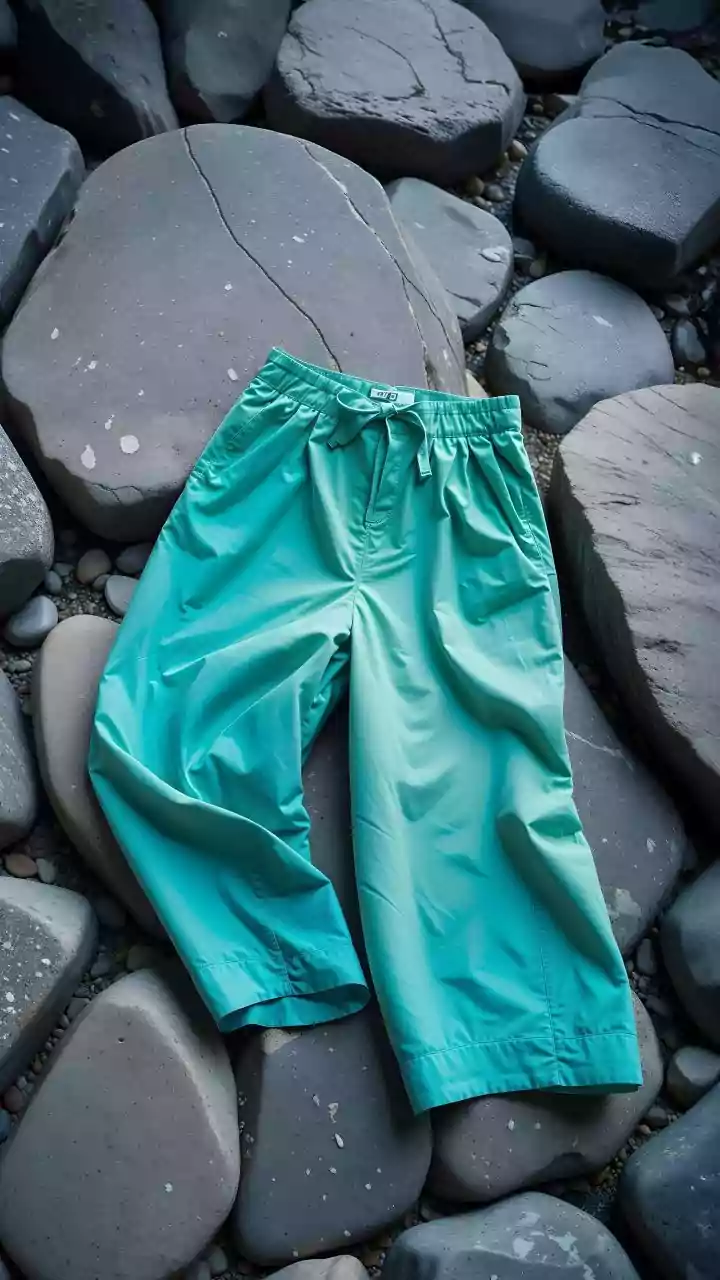
Modern polyester blends are a far cry from the stiff, uncomfortable synthetics of the past. Today's poly-blends, such as poly-viscose or poly-crepe, are soft, breathable, and highly resistant to moisture. They are almost water-repellent, meaning they don’t absorb much water in the first place, and what little they do absorb dries very quickly. This makes them extremely practical for daily commuting. A polyester-blend kurta or a pair of trousers can often dry in under 90 minutes, making them a reliable choice for the work week. They also hold their color and shape well after repeated washing.
5. Styling Tips for the Rains
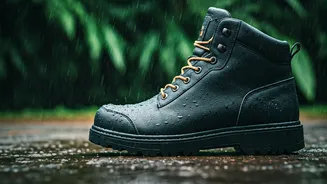
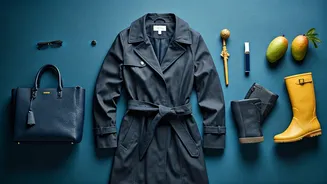
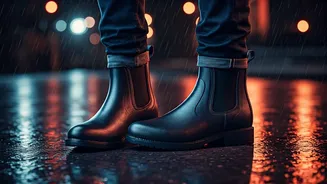
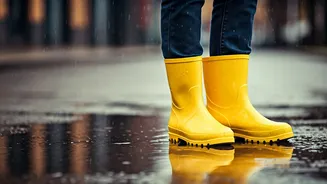
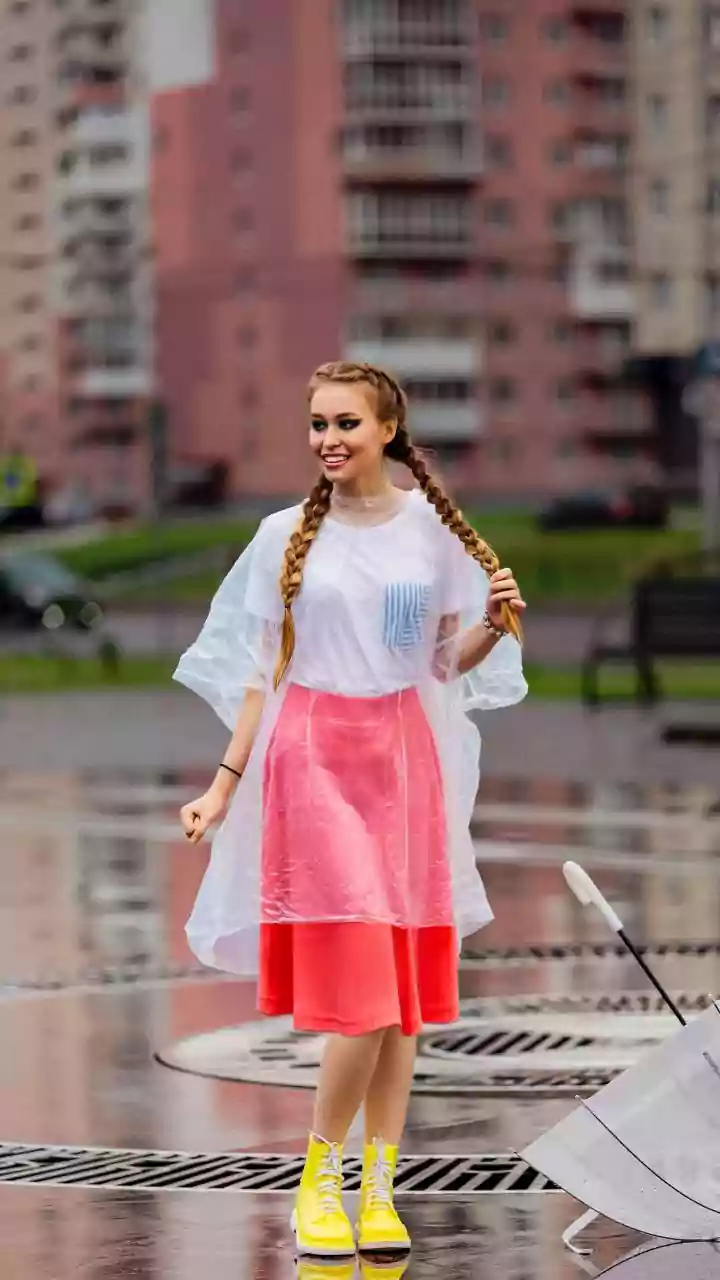
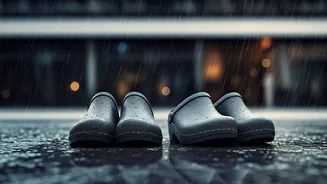
Beyond just fabric choice, a few styling adjustments can make a big difference. Opt for shorter hemlines like midi dresses, cropped pants, or short kurtis to avoid dragging your clothes through muddy puddles. Bright colours and bold floral or abstract prints are not only cheerful on a gloomy day but are also excellent at camouflaging any stray water spots or mud splashes. Layering with lightweight shrugs can provide flexibility for changing weather. Finally, complete your look with waterproof footwear and a sturdy waterproof bag to protect your belongings and keep your feet dry.