







The Problem with 'More'
Many fitness enthusiasts believe variety is the ultimate key to progress. While mixing things up can prevent boredom, a scattered approach to core training is often counterproductive. When you do a dozen different ab exercises each week, you don’t give
your muscles a consistent stimulus to adapt to. Strength and muscle growth are built on the principle of progressive overload—gradually making an exercise harder over time. If your routine is always changing, it's nearly impossible to apply this principle. You end up just 'feeling the burn' without ever building foundational strength, like spinning your wheels without moving forward.
Quality Over Quantity
Instead of a long list of exercises, a successful core plan focuses on a handful of high-impact movements that challenge your entire midsection. Your core isn't just the 'six-pack' muscle (rectus abdominis); it includes your obliques (for rotation) and deeper stabilizing muscles that prevent unwanted movement. A minimalist routine built around three to four compound exercises ensures you target all these functions. The goal is to master these movements, making each repetition count. By ditching the fluff, you can dedicate your energy to performing each exercise with perfect form and intensity, which is where real transformation happens.
Building Your Core Four
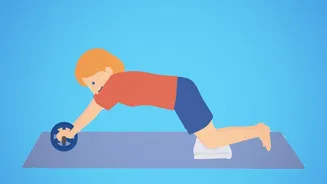
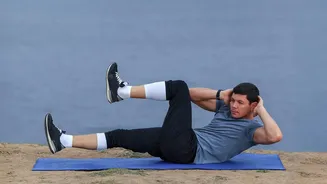
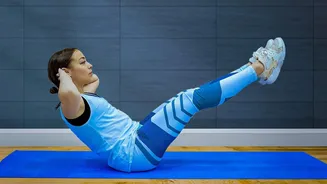
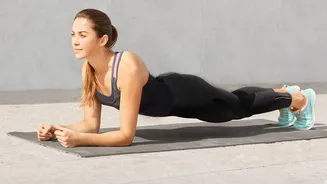
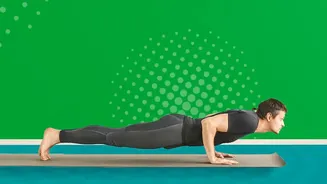
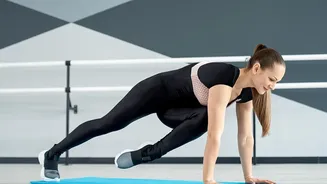
A balanced, minimalist routine should include movements that address the core's primary functions: spinal flexion, rotation, and stability. A simple yet brutally effective plan could look like this: 1. An Anti-Extension Move (like a Plank): This teaches your core to resist arching your back. Start by holding for time and progress to harder variations. 2. A Flexion Move (like a Weighted Crunch or Leg Raise): This targets the rectus abdominis. Holding a small dumbbell or plate can help you progressively overload the movement. 3. A Rotational Move (like Russian Twists or Wood Chops): These exercises strengthen your obliques, which are crucial for rotational power and stability. Choosing just one or two from each category and sticking with them is enough. The focus should be on getting stronger in these specific movements.
The Power of Better Tracking
This is where most people miss the mark. Progress isn't just about doing more reps. To effectively apply progressive overload, you need to track your performance and intentionally make it harder each week. Write down your workouts in a journal or app. Did you hold your plank for 45 seconds last week? Aim for 50 this week. Did you do leg raises with just your body weight? Try holding a light dumbbell between your feet. Other ways to progress include slowing down the movement to increase time under tension, reducing rest periods, or moving to a more challenging exercise variation. This systematic approach is what forces your muscles to adapt and grow stronger, not simply repeating the same workout and hoping for the best.