







1. Go for Light and Cooked Foods
The monsoon season can make our digestive system sluggish. Heavy, oily, and fried foods are harder to break down and can lead to bloating and indigestion. Instead, opt for light, warm, and freshly cooked meals. Think steamed or grilled vegetables, clear
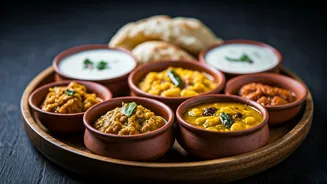
soups (like moong dal soup or a simple tomato shorba), and easily digestible grains like rice, oats, and barley. A warm bowl of khichdi is a perfect monsoon comfort food—it's nutritious, easy on the stomach, and provides sustained energy. Reducing the intake of heavy curries and deep-fried snacks helps keep your digestive fire, or 'agni' as it's known in Ayurveda, strong and efficient.
2. Choose Your Vegetables Wisely
While vegetables are essential, the monsoon demands a more careful selection process. Leafy greens like spinach and cabbage can be tricky. The high humidity and moisture make them prone to hosting mud, grime, and germs that can cause infections. If you do eat them, ensure they are washed thoroughly, perhaps in a solution of warm water with salt or vinegar, and always cooked well. It's generally safer to favour gourds like lauki (bottle gourd), tori (ridge gourd), and karela (bitter gourd), as well as vegetables like pumpkin and sweet potato. These are not only easy to digest but also packed with fibre and essential nutrients.
3. Boost Immunity with Seasonal Fruits
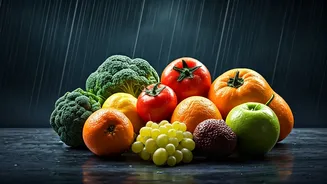
Fruits are your best friends for building immunity, but timing and choice matter. Avoid pre-cut fruits from street vendors, as they are highly susceptible to contamination. Instead, buy whole fruits and cut them yourself at home right before eating. Excellent choices for this season include pomegranates, plums, cherries, and pears. These fruits are rich in antioxidants and Vitamin C, which are crucial for fighting off infections. While mangoes are still available at the start of the monsoon, it's best to consume them in moderation. It’s also wise to avoid water-heavy fruits like watermelon, which can cause water retention for some people.
4. Hydrate Smartly and Safely
It might not feel hot, but it's crucial to stay hydrated. However, the risk of water-borne diseases like typhoid and cholera peaks during the monsoon. Always rely on boiled, filtered, or purified water for drinking. Avoid drinking water from unknown sources outside the home. A great way to stay hydrated and boost health is by sipping on warm herbal teas. Infusions made with ginger, tulsi, mint, and a touch of honey not only keep you warm but also have antibacterial and anti-inflammatory properties that help soothe a sore throat and keep colds at bay.
5. Be Cautious with Street Food
The craving for a hot plate of pakoras or chaat from a street-side stall is strongest when it’s raining. While tempting, this is the riskiest time for street food. The water used might be contaminated, ingredients may be exposed to flies and high humidity for long periods, and overall hygiene can be compromised. If you must indulge, try to replicate your favourite street foods at home where you can control the quality of the oil, water, and other ingredients. A homemade bhel puri or air-fried pakoras can satisfy the craving without the associated health risks.
6. Power Up with Probiotics and Spices
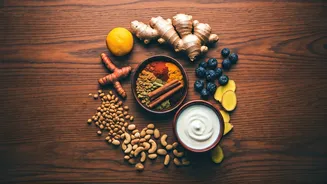
A healthy gut is the foundation of a strong immune system. Include probiotics in your diet to maintain a healthy balance of gut bacteria. A bowl of homemade dahi (yoghurt) or a glass of buttermilk (chaas) daily can do wonders for your digestion. Furthermore, embrace traditional Indian spices. Turmeric (haldi) is a powerful antiseptic and anti-inflammatory agent; add a pinch to your milk or curries. Ginger and garlic are excellent for fighting infections and aiding digestion. A little bit of black pepper helps in the absorption of nutrients and keeps the body warm.