





The New Kitchen Calculation
For years, the conversation around serving sizes was dominated by diet and health. Today, it’s about financial health. With food inflation hovering around 5.32% in June 2026, the cost of everyday staples like dals, oils, and vegetables is forcing families
to make their groceries stretch further. This persistent rise in prices means household budgets are under significant strain, turning every meal into a careful calculation. What was once a casual scoop of rice or a generous pour of dal is now a measured portion. This isn't about dieting; it's a direct response to economic pressure that's changing how we think about the food on our plates. The focus has shifted from abundance to efficiency, ensuring not a single grain or drop goes to waste.
Portion Control as a Savings Hack
While shoppers are familiar with 'shrinkflation'—where companies reduce product sizes for the same price—what’s happening in kitchens is a proactive consumer response. Instead of being passive victims of rising costs, people are actively managing their own consumption. This grassroots movement towards mindful portioning is a powerful savings strategy. By controlling how much is cooked and served, families can extend the life of a bag of rice or a bottle of oil by several days or even a week. This approach directly combats the erosion of purchasing power caused by inflation. It's a practical, hands-on way to regain a sense of control over an unpredictable economic climate, proving that small adjustments at the dinner table can lead to significant savings over a month.
Mastering the Art of the Serving
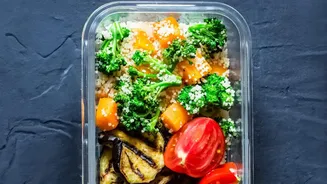
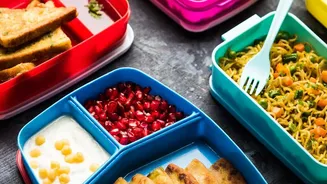
Adopting this mindset is easier than it sounds. It starts with being conscious of how much you're cooking. Instead of estimating, use measuring cups for staples like rice and lentils. A standard serving of uncooked rice is typically around 1/4 to 1/3 of a cup per person. For dals, about 1/4 cup of dry lentils per person is usually sufficient. When it comes to vegetables, plan meals around what you have to avoid spoilage. Cooking in batches and freezing portions for later can also prevent over-cooking and waste. The goal isn't to eat less, but to cook only what is needed for a single meal, preventing leftovers from languishing in the fridge. This simple discipline reduces food waste, which is a major financial drain for households, with estimates suggesting Indian households waste around 50 kg of food per person annually.
Smarter Shopping to Support Your Strategy
Controlling serving sizes at home is most effective when paired with smarter grocery shopping habits. Meal planning is the first and most crucial step. Before you go to the store, plan your meals for the week and create a detailed list based on the exact ingredients needed for those recipes. This prevents impulse buys, which are a major budget-breaker. When possible, buying non-perishable staples like rice, flour, and pulses in bulk can offer significant savings, but only if you have proper storage and will use them before they expire. Always opt for seasonal fruits and vegetables, as they are fresher, more nutritious, and invariably cheaper. By combining mindful shopping with mindful serving, you create a powerful, two-pronged approach to managing your food budget effectively.
A Mindset Shift for the Long Term
This newfound focus on portion control, born out of financial necessity, might have lasting benefits. It forces a more conscious engagement with our food—where it comes from, how much it costs, and how much we truly need. This shift can lead to healthier eating habits, as paying close attention to serving sizes is a cornerstone of nutritional wellness. Furthermore, it directly tackles the widespread issue of food waste. By cooking and serving only what will be eaten, households can significantly reduce the amount of food that ends up in the bin. What starts as a strategy to save money can evolve into a more sustainable and mindful lifestyle, creating a positive ripple effect that benefits both your wallet and the environment.