




Every December, the hills of Nagaland come alive with a stunning display of culture, colour, and tradition. The Hornbill Festival is gearing up for its 27th edition, promising an unforgettable experience for all who attend this iconic event.
The 'Festival of Festivals'
Often called
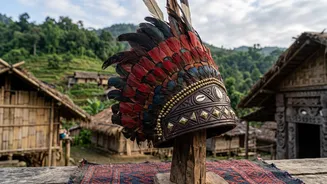
the 'Festival of Festivals', the Hornbill Festival is Nagaland's most important cultural event. Launched in the year 2000 by the state government, its primary aim was to foster unity among the various Naga tribes and to preserve and promote their rich, diverse heritage. The festival is named after the Great Indian Hornbill, a bird deeply respected in Naga folklore, symbolizing bravery, honour, and wisdom. This ten-day event brings all of Nagaland's major tribes together in one place, offering a unique opportunity to witness their distinct customs, dances, and traditions side-by-side.
A Cultural Spectacle at Kisama
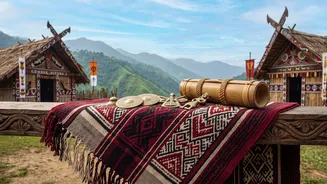
The festival's permanent home is the Naga Heritage Village at Kisama, located about 12 kilometres from the state capital, Kohima. This purpose-built venue features traditional tribal houses, known as 'morungs', for each of Nagaland's tribes. Visitors can walk through these morungs, which serve as living museums during the festival. Inside, you can interact with community members in their traditional attire, observe artisans at work on handlooms and wood carvings, and see giant log drums. The main arena hosts a daily schedule of breathtaking performances, including energetic war dances, soulful folk songs, and ancient rituals that tell the story of Naga history and culture.
More Than Just Performances
While the cultural performances are the main draw, the Hornbill Festival offers a multi-sensory experience. The air is filled with the aromas of traditional Naga cuisine, with food stalls offering distinct tribal dishes like smoked pork with bamboo shoots. A bustling crafts bazaar is the perfect place to shop for authentic, handmade souvenirs, including intricate bead jewellery, handwoven shawls, and bamboo products, directly supporting local artisans. For the adventurous, the festival also features indigenous games and sports like Naga wrestling, traditional archery, and the famous Naga King Chilli eating competition.
The Modern Beat of Hornbill
Beyond its traditional roots, the festival has a contemporary pulse. As dusk falls, the action shifts to Kohima, which hosts a vibrant Night Carnival with street food and live music. A major highlight is the Hornbill Music Festival, which features performances from local, national, and sometimes international rock bands, blending modern sounds with the ancient spirit of the festival. This fusion of old and new ensures there is something for every visitor, creating a dynamic atmosphere that lasts long after the sun goes down.
Planning Your Trip for December 2026
The 27th Hornbill Festival is expected to run from December 1 to December 10, 2026. For those planning to attend, it's wise to book accommodations in Kohima well in advance, as rooms fill up quickly. The nearest airport and major railway station are in Dimapur, approximately 70–75 km from Kohima, a journey of about 2–3 hours by road. Indian citizens (from outside Nagaland) require an Inner Line Permit (ILP) to visit, which can typically be applied for online. Spending at least two to three days at the festival is recommended to fully immerse yourself in the experience without feeling rushed.