



What is Lived-In Design?
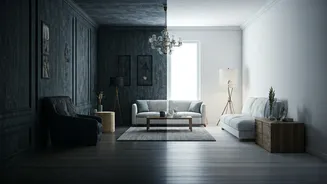
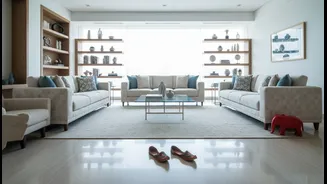
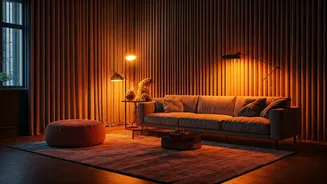
At its heart, lived-in design is the antidote to the sterile, untouchable show home. It champions comfort, personality, and function over perfection. Think of it as a warm, welcoming hug from your home. It’s a style that tells your story, where every
object has a place and a purpose that goes beyond just looking good. This approach moves away from cold, sparse minimalism and embraces a more character-rich environment. Instead of hiding away signs of life, this style celebrates them, creating spaces that feel authentic and truly yours.
Embrace the Beauty of Imperfection
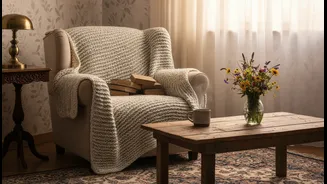
A truly lived-in space isn't afraid of a little wear and tear. It’s the scuff on a wooden table, the well-worn pages of a favourite book on the coffee table, or the slightly faded pattern on a beloved cushion. These are not flaws; they are traces of a life well-lived. This approach encourages you to see the beauty in items that have a history and a story. Don't strive for a flawless, museum-like setting. Instead, allow your home to evolve naturally, reflecting the daily rhythms of your family's life. A perfectly draped throw is lovely, but one that has clearly been used for a cosy nap is even better.
Tell Your Story Through Objects
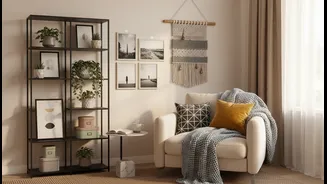
Your home should be a reflection of you, your passions, and your journey. Lived-in design encourages you to display items that hold personal meaning. This could be a collection of souvenirs from your travels, framed artwork from your children, or inherited pieces of furniture that connect you to your heritage. A gallery wall can mix family photos with prints and postcards. These personal touches are what transform a house into a home, sparking conversations and surrounding you with cherished memories.
Mix, Don't Match
Forget the pressure to buy perfectly coordinated furniture sets. A lived-in look is achieved by mixing different styles, eras, and textures to create a space that feels curated over time. Pair a modern sofa with a vintage armchair, or mix a sleek metal lamp with a rustic wooden table. This layering of different elements adds depth and interest to a room. The key is to choose pieces you genuinely love, rather than what's currently trending. This approach results in a unique and timeless interior that feels effortlessly chic.
Prioritise Comfort and Practicality
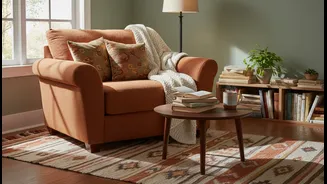
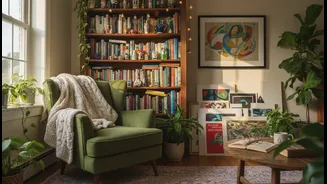
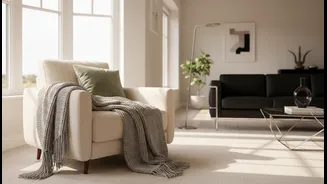
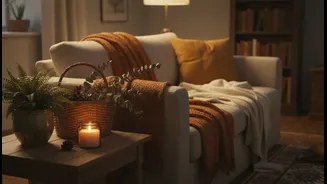
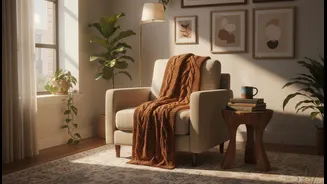
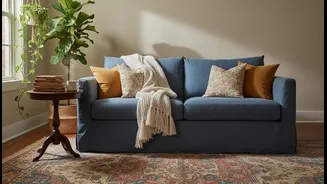
A lived-in home is, above all, a functional home. The design choices should support your daily life, not hinder it. This means prioritising comfortable seating that invites you to relax, providing good lighting for reading and other activities, and ensuring you have accessible storage to keep clutter at bay. Think about how you use a room and design it accordingly. A comfortable chair with a good reading lamp creates an inviting nook. Soft textures like plush rugs, knitted throws, and velvet cushions add a tactile layer of comfort.
Bring Nature Indoors
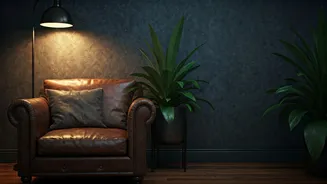
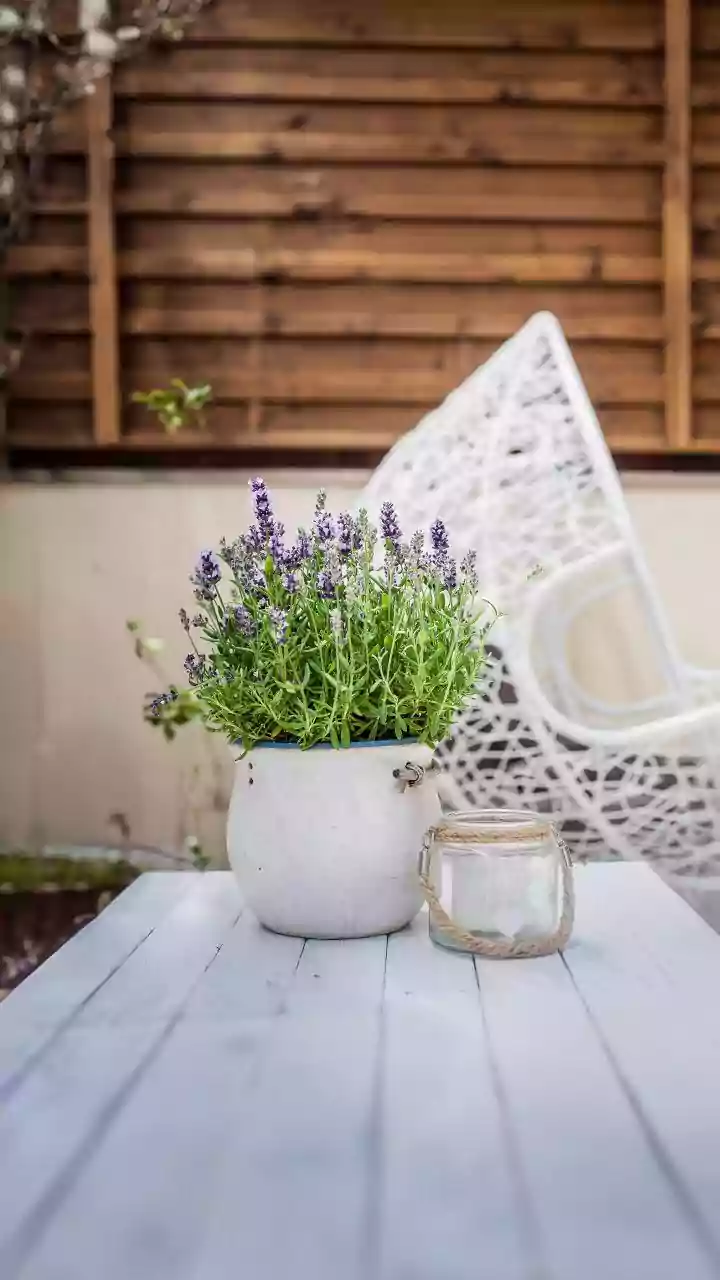
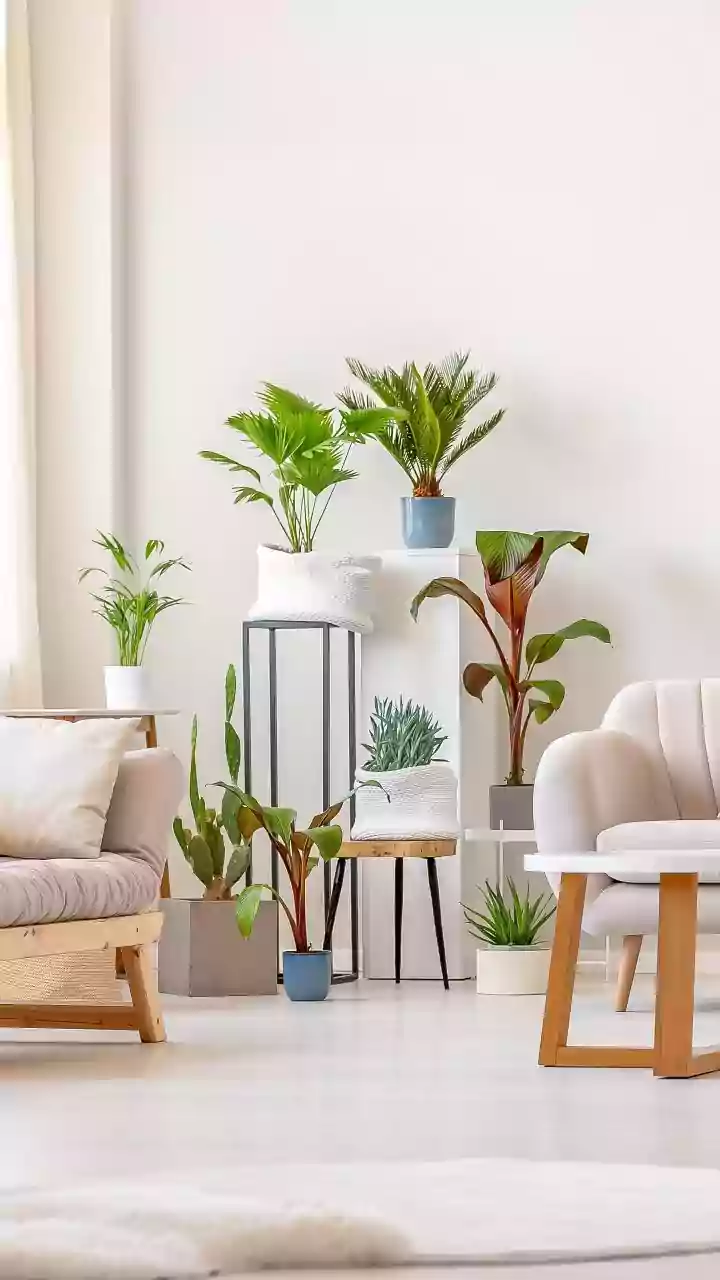
Introducing natural elements is a simple yet powerful way to make a space feel more relaxed and alive. Houseplants are an obvious choice, purifying the air and adding a touch of vibrant green. But you can also incorporate natural materials like wood, stone, linen, and cotton. These materials add warmth and texture, creating a connection to the outdoors that is inherently calming. A simple wooden coffee table, a jute rug, or a vase of fresh flowers can instantly make a room feel more grounded and welcoming.