






The Science of Your Body Clock
Deep inside your brain, you have a master clock known as the circadian rhythm. This internal 24-hour timer governs nearly every system in your body, from your sleep-wake cycle to hormone release, appetite, and body temperature. Two key hormones in this
process are melatonin and cortisol. Melatonin is the 'sleep hormone' that helps you wind down and rest. Cortisol, often called the 'stress hormone', also functions as a crucial 'wake-up' signal, promoting alertness and energy. For optimal energy, you want cortisol to rise in the morning and melatonin to be suppressed. At night, the opposite should happen. When this rhythm is out of sync, you can feel tired during the day and wired at night.
How Sunlight Flips the Switch
Morning sunlight is the single most powerful signal to anchor your body clock. When natural light, particularly the blue-wavelength light abundant in the morning, enters your eyes, it sends a direct message to your brain's master clock. This signal does two critical things: it tells your brain to stop producing melatonin, effectively ending the sleep phase, and it triggers a healthy release of cortisol to help you feel awake and alert. Think of it as turning on a switch that starts a cascade of processes to manage your energy, mood, and focus for the rest of the day. This morning cue also sets a timer for your body to begin producing melatonin again about 14 to 16 hours later, paving the way for better sleep that night.
Your Simple Morning Sun Ritual
Making this a habit is straightforward. The key is to get outside within 30 to 60 minutes of waking, a time when your body is most responsive to light's signals. On a bright, sunny day, just 5 to 10 minutes is enough to make a difference. If it's overcast, aim for 15 to 20 minutes, as a surprising amount of beneficial light still penetrates the clouds. On very dreary days, you might need 20 to 30 minutes. For this to work best, don't wear sunglasses, as the light needs to reach the specialized cells in your retinas. You don't need to stare directly at the sun; simply facing in its general direction is sufficient and safe. Trying to get this light through a window isn't as effective, as glass filters out much of the necessary wavelengths.
More Than Just an Energy Boost
While improved alertness is the most immediate benefit, anchoring your circadian rhythm has wider effects. Consistent morning light exposure is linked to better mood, thanks to its role in regulating hormones like serotonin, a neurotransmitter associated with feelings of well-being. It can help lower overall stress by ensuring your cortisol peaks at the right time of day. Over the long term, a well-regulated internal clock contributes to better sleep quality, improved cognitive function, and even healthier metabolic and cardiovascular function. It helps align your body's many processes, from digestion to immune response, so they run more efficiently.
Smart Sun and Practical Alternatives
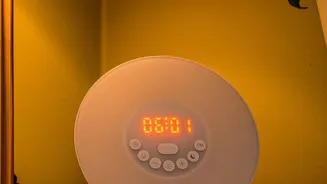
Safety is important. The brief exposure needed in the early morning comes with a lower risk than midday sun. However, always be mindful of your skin type and local UV index. If you live in a place with dark winters or can't get outside, you can mimic the effect by turning on bright indoor lights as soon as you wake up. For a more powerful alternative, a 10,000-lux light therapy box can be used for about 15 to 20 minutes in the morning to provide a similar signal to your brain. If you miss a day, don't worry. Some experts suggest simply doubling your exposure time the next morning to help get your clock back on track.