


A Shift from Sightseeing to Experiencing
For decades, travel in India was often a whirlwind tour of monuments and popular tourist spots. Today, a significant shift is underway. Travellers are increasingly bypassing the crowded mainstays in favour of deeper, more meaningful engagement. This trend,
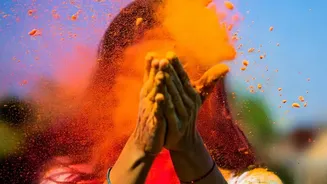
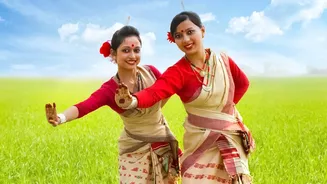
sometimes called 'experiential travel', prioritises stories over snapshots and participation over passive observation. Instead of just seeing a place, the new goal is to understand it. This has opened up a fascinating avenue for tourism: festivals. These events, once largely local affairs, are now becoming primary travel destinations themselves, acting as vibrant, living museums of culture that you can taste, touch, and feel.
A Direct Taste of Regional India
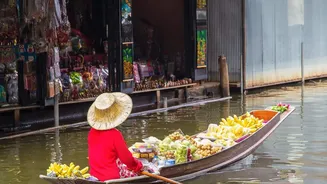
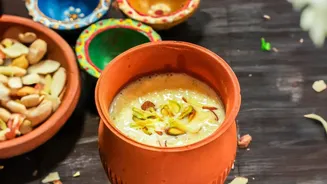
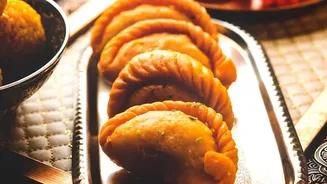
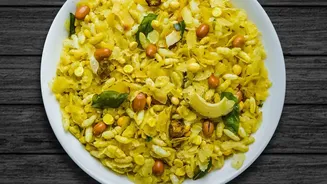
One of the most powerful ways festivals forge this connection is through food. They offer a culinary map of India, bringing together dishes and recipes that are often impossible to find in commercial restaurants. At a single event, travellers can sample hyper-local specialities from numerous villages and communities. Consider the National Street Food Festival in Delhi, which gathers vendors from across the country, or the Rayalaseema Food and Dance Festival in Andhra Pradesh. These gatherings aren't just about eating; they are a celebration of culinary heritage, offering a chance to taste food prepared with traditional methods and seasonal ingredients, often by the very families who have perfected these recipes over generations. This focus on food is a major draw, with studies showing a significant number of Indian travellers would plan a trip specifically for regional food experiences.
The Artisan's Grand Stage
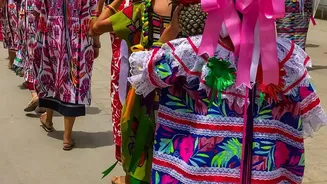
Alongside food, traditional crafts are a cornerstone of these cultural getaways. Festivals provide a crucial and direct-to-consumer platform for artisans, weavers, and craftspeople who are the custodians of centuries-old skills. Events like Gujarat's Rann Utsav and Nagaland's Hornbill Festival are celebrated for their incredible showcases of local handiwork. At the Rann Utsav, visitors can explore Kutchi embroidery, leatherwork, and intricate mirror-art against the backdrop of the white desert. Similarly, the Hornbill Festival brings together Nagaland’s diverse tribes, each presenting their unique textiles, beadwork, and wood carvings. For travellers, this is a chance to buy authentic, handmade products directly from their creators, learn about the process behind the craft, and understand its cultural significance. This interaction turns a simple purchase into a meaningful exchange.
A Boost for Local Economies
The rise of festival tourism has a profound economic impact, creating a sustainable ecosystem that benefits host communities directly. When travellers attend these events, their spending on tickets, food, accommodation, and crafts flows into the local economy, supporting small businesses, performers, and artisans. This generates seasonal employment and provides a significant income source, especially in rural areas, helping to preserve cultural practices that might otherwise fade. Festivals like the Pushkar Camel Fair in Rajasthan or Kullu Dussehra in Himachal Pradesh transform their regions, attracting visitors whose spending supports a wide network of local vendors and service providers. By choosing a festival getaway, travellers are not just enriching their own lives; they are actively participating in the preservation and promotion of India's rich cultural heritage.