


Spain’s Answer to the Nobels
Often described as the 'Nobel Prizes of the Spanish-speaking world', the Princess of Asturias Awards are a series of annual prizes awarded to individuals or organizations who make notable achievements in sciences, humanities, and public affairs. Established
in 1981, the awards are presented each October in Oviedo, the capital of the Principality of Asturias, by the heir to the Spanish throne, currently Princess Leonor. The foundation aims to celebrate and promote the scientific, cultural, and humanistic values that form part of the universal heritage of humanity. With a €50,000 prize for each of the eight categories and a unique sculpture designed by artist Joan Miró, it is a significant international recognition, even being declared of 'exceptional contribution to the cultural heritage of Humanity' by UNESCO.
Eight Categories of Excellence
The awards span eight distinct categories: Arts, Literature, Social Sciences, Communication and Humanities, Technical and Scientific Research, International Cooperation, Concord, and Sports. This broad scope means that laureates can range from acclaimed authors and filmmakers to groundbreaking scientists and humanitarian organisations. For instance, the 2026 laureates included the American musician Patti Smith (Arts), the Japanese animation house Studio Ghibli (Communication and Humanities), and the British novelist Julian Barnes (Literature), showcasing the incredible diversity of recipients.
The Award for Sporting Legends
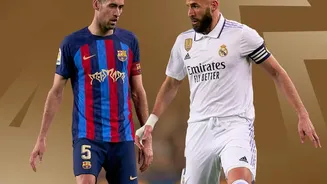
The Princess of Asturias Award for Sports is reserved for careers that serve as an example of the benefits of sport, often recognising not just victory but also solidarity and commitment. Before 2026, the world of football had been honoured, but never an individual player. The Brazilian national team won in 2002, and Spanish icons Iker Casillas and Xavi Hernández shared the prize in 2012 for their achievements and the values of friendship they represented. The list of sports winners is a hall of fame in itself, including legends like Rafael Nadal, Serena Williams, Michael Schumacher, Eliud Kipchoge, and the All Blacks rugby team.
Why Messi Made History in 2026
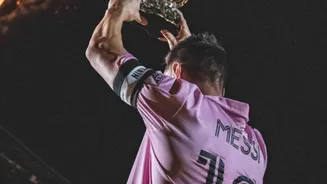
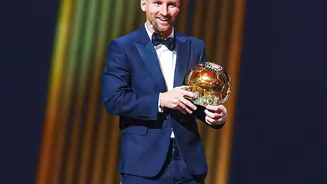
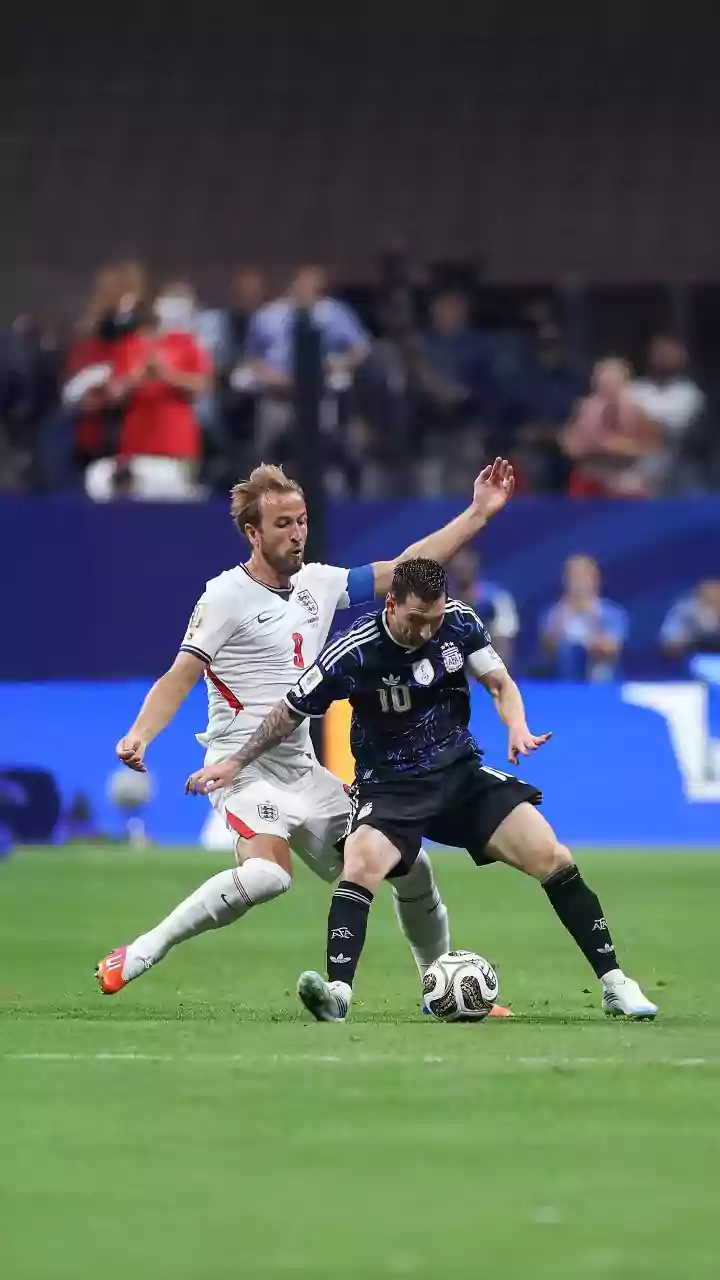
On October 23, 2026, Lionel Messi became the first individual footballer in history to receive the Princess of Asturias Award for Sports. The jury’s decision went far beyond his unmatched success on the pitch, where he is regarded as the most decorated player ever. They specifically highlighted his consistency, humility, and commitment to teamwork as exemplary conduct. Furthermore, the award recognised his significant humanitarian work through the Leo Messi Foundation and as a UNICEF ambassador, which focuses on providing disadvantaged children with access to education and healthcare. Upon receiving the award, Messi acknowledged its special significance, noting that it 'goes beyond sports' and reflects his deep connection to Spain, where he lived for over two decades.