



Meet The Indestructible Snake Plant
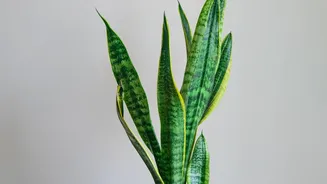
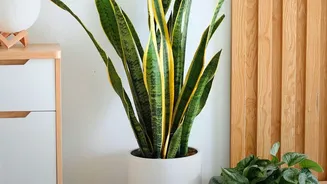
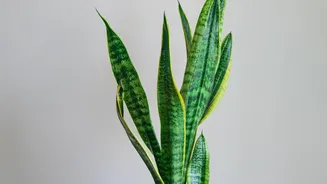
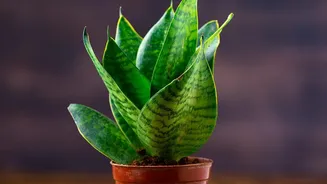
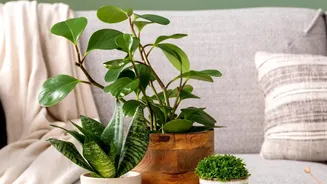
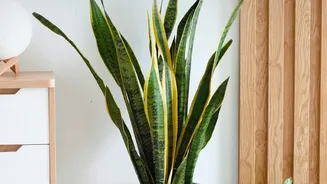
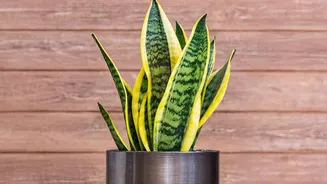
The snake plant, or Dracaena trifasciata, is a champion of low-maintenance greenery. Recognisable by its stiff, upright leaves that resemble swords, it brings a touch of modern, architectural style to any setting. Native to West Africa, it's built to withstand
tough conditions, making it perfect for beginners or busy professionals. Its varieties showcase an array of green shades, often with yellow, silver, or white bands. Beyond its striking looks, the snake plant is famous for its resilience; it can tolerate a wide range of lighting conditions and is notoriously drought-tolerant, meaning it can forgive the occasional forgotten watering.
Snake Plant Care Made Simple
Caring for a snake plant is refreshingly simple. They are succulents, meaning they store water in their leaves and prefer their soil to dry out completely between waterings. A good rule of thumb is to water them every two to three weeks, and even less in the winter. Overwatering is the most common mistake and can lead to root rot, so when in doubt, it's better to wait. While they can survive in low light, snake plants are happiest in bright, indirect sunlight. They don't require much fuss regarding temperature or humidity, thriving in typical indoor conditions. A little all-purpose fertiliser once a month during spring and summer is welcome but not essential.
Discover The Versatile Pothos
Pothos, also known as Devil's Ivy, is another favourite for its sheer versatility and forgiving nature. With its heart-shaped leaves and cascading vines, it can be grown in a pot, a hanging basket, or even trained to climb. It’s incredibly adaptable and can handle various light levels, including office-standard fluorescent lighting, though it does best in medium to bright indirect light. Too much direct sun can scorch its leaves, while too little light may cause variegated types to lose their distinct patterns. Its fast-growing nature provides a rewarding experience for new plant parents.
How To Keep Your Pothos Thriving
The key to a happy pothos is proper moisture. Allow the top inch or two of soil to dry out before watering again, which typically means watering once a week or so in warmer months and less often when it's cooler. Yellowing leaves are often a sign of overwatering. Pothos appreciate a bit more humidity, so an occasional misting can be beneficial, especially in dry, air-conditioned environments. Like the snake plant, they will appreciate a balanced houseplant fertiliser about once a month during their growing season in spring and summer.
The Truth About Air Purification
Both snake plants and pothos are often celebrated for their air-purifying abilities, a claim popularised by a 1989 NASA study. The study showed that certain plants could remove toxins like formaldehyde and benzene from the air in a sealed, controlled lab environment. However, it's important to manage expectations in a real-world setting like a home or office. Subsequent research has clarified that you would need a massive number of plants—hundreds, in fact—to match the air-cleaning power of simply opening a window or using a standard ventilation system. While these plants do contribute to a healthier indoor environment, their primary benefits for your desk are more psychological. Studies have shown that having plants in the workplace can boost productivity, reduce stress, and improve focus.
A Note on Pet Safety
While these plants are a fantastic addition to your office desk, it's important to be cautious if you have pets at home. Both snake plants and pothos are considered toxic to cats and dogs. Ingesting parts of these plants can cause gastrointestinal upset, including vomiting and irritation of the mouth. While rarely fatal, it's best to keep them well out of reach of any curious furry friends.