


The Sticker Price of a Global Icon
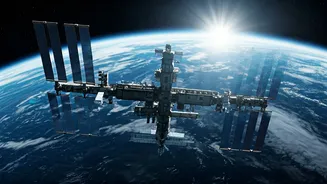
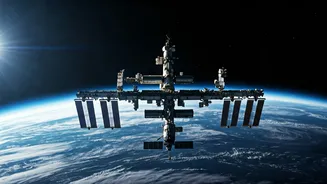
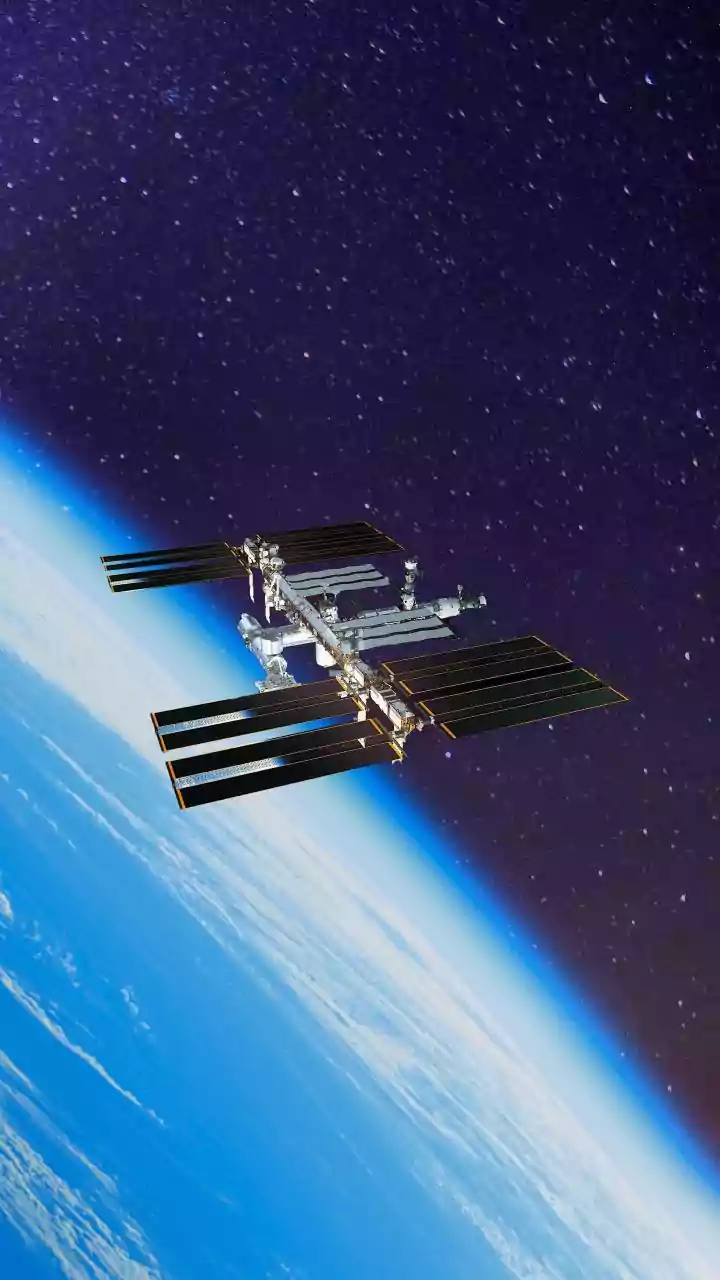
The most widely cited figure for the total cost of the ISS is approximately $150 billion, a number that includes initial construction, assembly, and contributions from its five partner agencies: NASA (USA), Roscosmos (Russia), ESA (Europe), JAXA (Japan),
and the CSA (Canada). The United States shouldered the largest portion of this cost, contributing over $75 billion for the station itself and billions more for the Space Shuttle flights required for assembly. The European Space Agency's share, for example, was around €8 billion, which sounds enormous but breaks down to a surprisingly small amount per European citizen over the project's multi-decade lifespan. This massive budget established the ISS not only as a scientific outpost but as the most expensive single item ever constructed.
Just Getting There Is Half the Battle
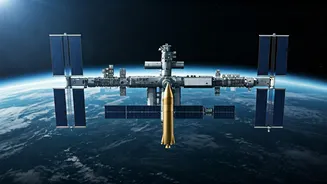
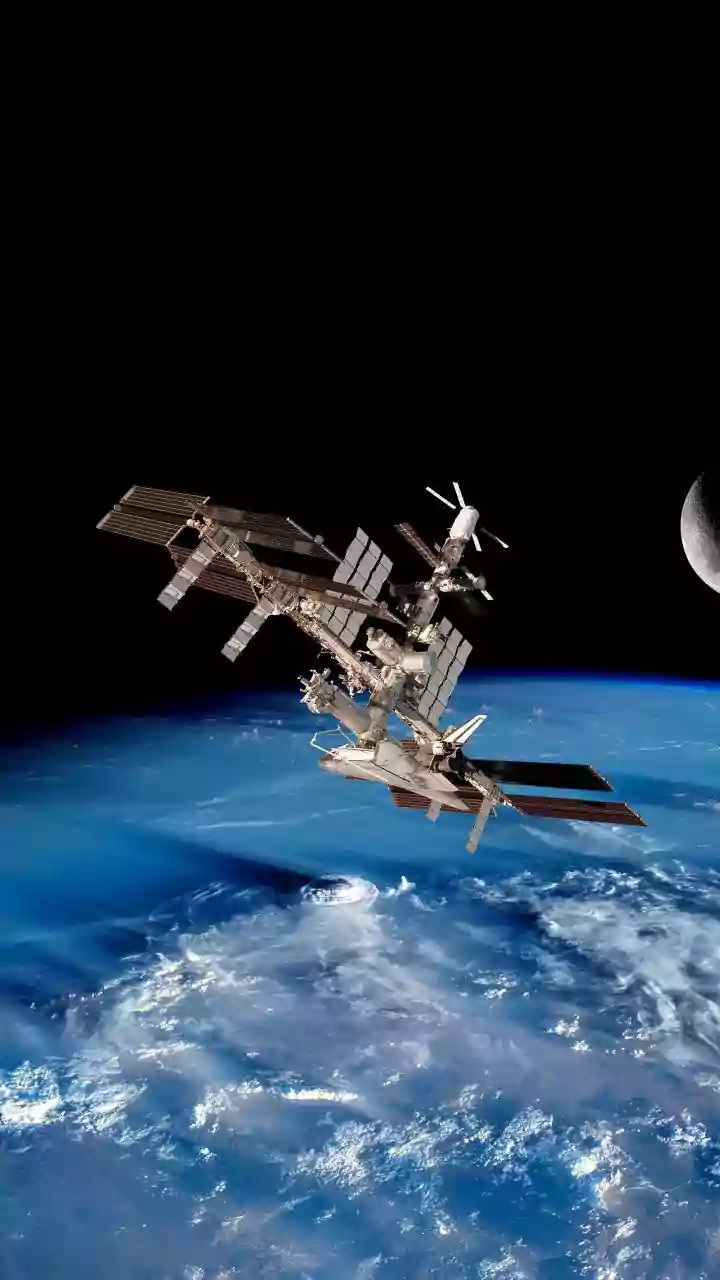
One of the biggest cost drivers is simply launching materials into Low Earth Orbit. Before the advent of reusable rockets, the cost was astronomical. The Space Shuttle, the primary vehicle for ISS construction, cost an estimated $1.4 billion per flight. With 36 shuttle flights dedicated to building the station, transportation costs alone soared past $50 billion. Even with today's more economical options like SpaceX's Falcon 9, which has drastically reduced launch costs to a few thousand dollars per kilogram, sending mass to space remains a costly endeavor. Every single component, from massive pressurised modules to the smallest screw, had to be carried 400 kilometers above Earth.
Engineering for the Void
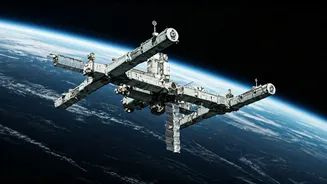
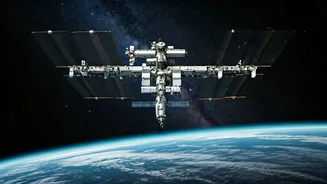
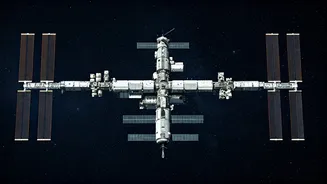
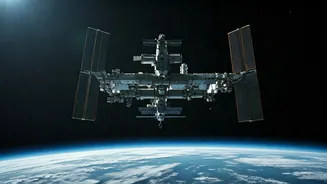
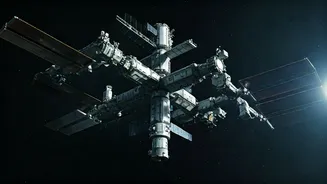
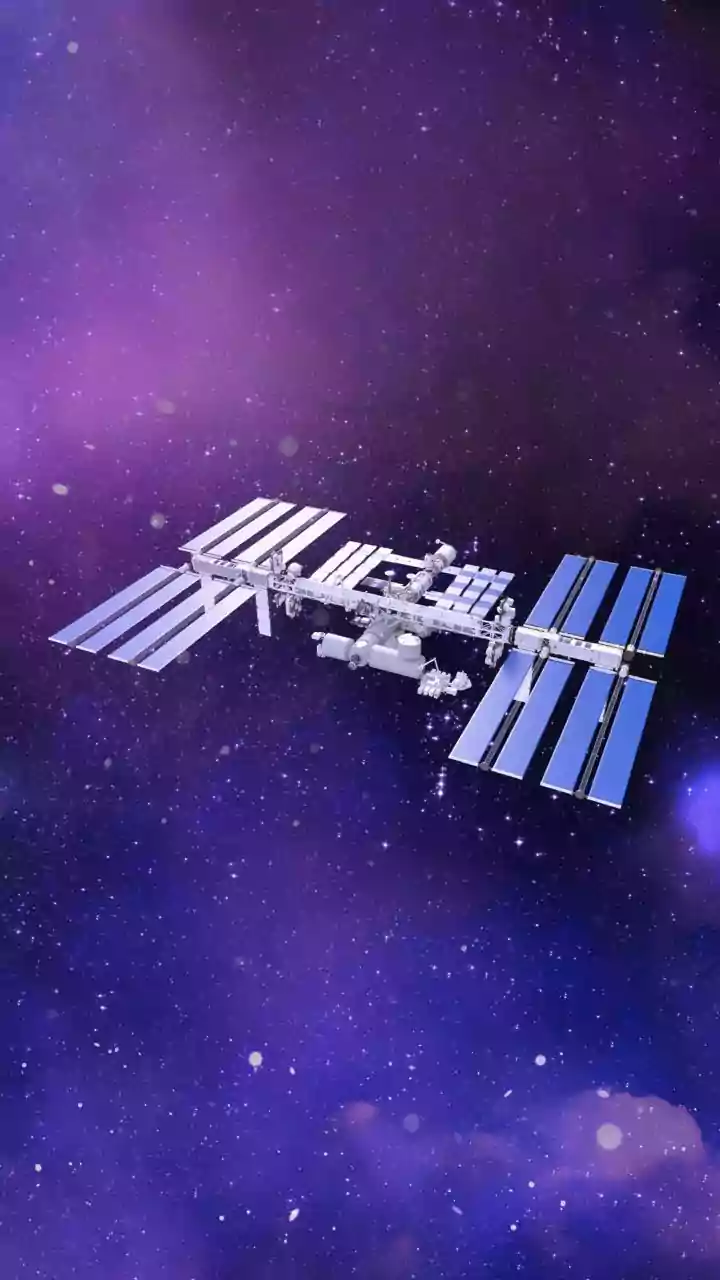
You can't build a space station with off-the-shelf parts. Every component of the ISS had to be custom-designed and rigorously tested to operate in the harsh environment of space, which involves extreme temperature swings, vacuum, and constant radiation. The station is comprised of over a dozen pressurised modules, built in different countries and assembled for the first time in orbit. This required unprecedented precision and coordination. Furthermore, the station needed to be self-sufficient, generating its own power through massive solar arrays and recycling life support essentials like water and air—complex systems that carry enormous research and development costs.
Decades of Assembly and Operations
The ISS wasn't built in a day. The first module, Zarya, was launched in 1998, and the station has been continuously expanded and upgraded ever since. This decade-plus assembly process required a sustained global effort, with hundreds of astronauts and thousands of ground personnel working around the clock. Beyond the initial construction, the station has ongoing operational costs that run into the billions annually. NASA alone spends about $3 billion per year on operations, maintenance, crew transportation, and scientific research. These costs cover everything from keeping the lights on and the station in its proper orbit to managing the complex logistics of resupply missions.
Was It Worth the Price?
With such a monumental cost, the question of value is inevitable. Proponents argue the ISS has delivered an invaluable return on investment. It has been a platform for thousands of scientific experiments that are impossible on Earth, leading to breakthroughs in medicine, materials science, and our understanding of the human body in space. Research on the ISS helps us understand muscle atrophy and bone loss, with applications for treating osteoporosis on Earth. It also serves as a crucial testbed for technologies needed for future long-duration missions to the Moon and Mars. Perhaps most importantly, it stands as a powerful symbol of international cooperation, a joint effort that was once unthinkable during the Cold War.