








The Real Cost of Sitting Still
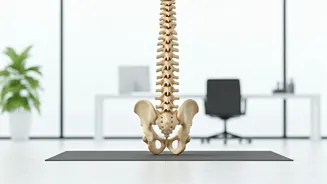
Our bodies are designed for movement, not for staying in one position for hours on end. [2, 19] When you sit at a desk, especially with less-than-perfect posture, you put sustained pressure on your spine. [3] This can lead to tightened hip flexors, weakened
core muscles, and rounded shoulders. [3, 12] Over time, this static posture can reduce flexibility, strain the discs that cushion your vertebrae, and contribute to chronic discomfort in your neck, shoulders, and lower back. [2, 3] The tension that builds up isn't just uncomfortable; it can lead to muscular imbalances that increase the risk of pain and injury down the line. [10, 14] Essentially, sitting for long stretches teaches your muscles and joints to become stiff and immobile.
The Power of the 'Movement Snack'
So, how often should you break up this sedentary time? While the headline suggests every three hours, many experts advise even more frequent breaks. Physiotherapists and health organizations often recommend standing up, stretching, or walking for a few minutes every 30 to 60 minutes. [8, 11] The key concept is the "movement snack"—a short burst of activity that counteracts the negative effects of sitting. [23] Taking a brief break to stretch improves blood circulation, alleviates muscle fatigue, and helps realign your posture. [1, 19] While a three-hour interval is a good start, the bigger principle is consistency. Interrupting long periods of sitting, whatever the exact interval, is what delivers the benefits for your spine and overall well-being. [21]
A Simple Three-Minute Spine Routine
You don't need a gym or a lot of space to give your spine the attention it needs. These simple stretches can be done right at your desk and take only a few minutes. Aim to hold each stretch for 15-30 seconds, and never force a movement that causes pain. [1, 14] First is the Seated Spinal Twist: Sit tall with your feet flat on the floor. Gently twist your upper body to one side, using your chair for a light pull. [2, 6] This helps release lower back tension. Next, try a Chest Opener: Clasp your hands behind your back, straighten your arms, and pull your shoulder blades together to counteract slouching. [2] Finally, perform a seated Cat-Cow: With hands on knees, alternate between arching your back and lifting your chest (Cow), and rounding your spine while tucking your chin (Cat). [5, 6] This movement gently mobilizes the entire spine.
More Stretches to Add In
To create a more rounded routine, consider adding a few more targeted movements. A Forward Stretch can provide relief for the lower back; while seated, simply bend forward at the waist and reach towards the floor between your feet. [1, 9] For neck tension, a common side effect of screen time, gently tilt your head from side to side, bringing your ear towards your shoulder. [2] And don't forget your shoulders. A simple Shoulder Shrug, lifting your shoulders up towards your ears and then rolling them back and down, can release a surprising amount of tension. [1] These additional movements ensure you are addressing all the key areas that get tight and sore from desk work.
Building a Lasting Habit
The hardest part of any new routine is making it stick. To ensure you remember your movement breaks, try linking them to an existing habit, like finishing a task or after a long phone call. A more direct approach is to set a recurring timer on your phone or computer for every hour. [8] Don't feel pressured to do a full routine every single time; even standing up for a minute or doing a single spinal twist is better than nothing. [8, 14] The goal isn't perfection, but consistency. By making small, frequent movements a non-negotiable part of your workday, you invest in your long-term spinal health and overall comfort.