



Kaas Plateau, Maharashtra: A Carpet of Wildflowers
Imagine a vast plateau covered not just in greenery, but in a million tiny, colourful wildflowers. This is the magic of the Kaas Plateau, a UNESCO World Heritage Site that comes alive from late August to early October. After the heavy rains, this laterite
plateau transforms into a breathtaking tapestry of more than 850 species of flowering plants, including orchids, insectivorous plants like Drosera indica, and countless other endemic blooms. The flowering season is short and precious, making September the absolute best time to visit. To protect its fragile ecosystem, visitor numbers are regulated, so booking your entry pass in advance is essential to witness this phenomenal natural spectacle. The landscape changes every few days as different flowers come into bloom, meaning every visit offers a unique view.
Wayanad, Kerala: Waterfalls and Spice Plantations
While beautiful year-round, Wayanad in Kerala offers a special kind of charm in the post-monsoon months of October and November. The landscape, thoroughly rejuvenated by the rains, is a brilliant, lush green. This is when the region’s famous waterfalls, such as Meenmutty and Soochipara, are at their most powerful and majestic. The pleasant, cool weather is perfect for trekking up to Chembra Peak or exploring the ancient Edakkal Caves. It's also an ideal time to tour the sprawling coffee, tea, and spice plantations, which are fragrant and fresh after the downpour. The air is clean, the views are clear, and the entire district feels calm and refreshed, making it a perfect escape for those seeking serenity in nature.
Ziro Valley, Arunachal Pradesh: A Cultural Tapestry in Green
Nestled in the mountains of Arunachal Pradesh, Ziro Valley is a captivating destination that is at its scenic best from September to November. This is the time when the valley's iconic paddy-cum-fish farms, a unique agricultural system practiced by the Apatani tribe, are a stunning shade of gold, ready for harvest. The weather is comfortable, with clear skies offering panoramic views of the surrounding pine-clad hills. Post-monsoon is the perfect season for leisurely village walks, interacting with the Apatani people, and immersing yourself in a culture that lives in deep harmony with its environment. For music lovers, the famous Ziro Music Festival often takes place in September, adding a vibrant cultural layer to the valley’s natural beauty.
Valley of Flowers, Uttarakhand: A Himalayan Paradise
This famed UNESCO World Heritage site is a high-altitude Himalayan valley that bursts into a riot of colour during the monsoon. While peak bloom is in July and August, the post-monsoon period in September offers a different, equally compelling experience. As the rains subside, the crowds thin out, and the skies clear up, revealing stunning views of the snow-capped peaks that often remain hidden during the peak monsoon. The floral display is still very much present, with late-season bloomers painting the valley floor. This month provides a perfect balance for trekkers who want to experience both the legendary flowers and the crisp, clear mountain vistas of the Garhwal Himalayas in a more tranquil setting.
Pachmarhi, Madhya Pradesh: The Queen of Satpura
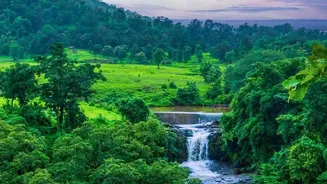
Known as the 'Queen of Satpura', this tranquil hill station in Madhya Pradesh is at its greenest and most enchanting right after the monsoon. The forests are dense and alive, and the numerous waterfalls that dot the landscape, such as Bee Falls and Duchess Fall, are full and spectacular. The post-monsoon season brings pleasant weather, ideal for exploring the region's sandstone caves, some of which feature ancient rock paintings. It’s a time when you can enjoy long nature walks, hikes, and the peaceful atmosphere of the Satpura hills without the intense summer heat or the heavy monsoon downpours. The combination of lush greenery, gushing waterfalls, and rich history makes Pachmarhi a rewarding destination for nature and adventure enthusiasts.