









The Shifting Definition of Job Security
For decades, a full-time, salaried position was the gold standard for career stability. However, recent waves of layoffs across major companies, including those in the tech and creative sectors, have shattered this perception. Entire departments are often
eliminated in restructuring efforts, leaving even high-performing employees suddenly without a job. This new reality reveals that being tied to a single employer can be a significant vulnerability. When your entire income depends on one company's financial health and strategic pivots, a single corporate decision can upend your livelihood. In this volatile market, the very definition of job security is being rewritten, prompting many to question if relying on one employer is the riskiest move of all.
The Consultant's Moat: Your Contract
Unlike traditional employees, independent consultants operate under a written contract that explicitly defines the terms of the working relationship. This document is more than a formality; it's a protective barrier. A well-drafted independent contractor agreement specifies the exact scope of work, project timelines, deliverables, and, crucially, the terms for ending the relationship. While a full-time employee can be let go at any time in many 'at-will' employment situations, a contract often stipulates a notice period or specific conditions for termination. This provides a clear, legally-binding framework that prevents the kind of abrupt, no-warning dismissals that can happen in a mass layoff. The contract ensures that both parties know exactly what to expect, protecting the consultant from the whims of a sudden budget cut or change in direction.
The Power of a Diversified Portfolio
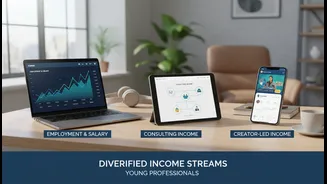
Perhaps the greatest shield a consultant has is not being reliant on a single source of income. While a laid-off employee loses 100% of their professional earnings overnight, a consultant who loses one client might only lose 25% or 30% of their income. This strategy of income diversification is a powerful form of financial resilience. Creative consultants often juggle multiple clients simultaneously, from short-term projects to longer-term retainers. If one contract ends, the others provide a financial cushion, preventing a total loss of income and offering breathing room to find a new client. This approach turns a potential catastrophe into a manageable business challenge, creating a stability that is self-directed rather than company-dependent.
The Inherent Trade-Offs of Independence
This form of security comes with significant trade-offs. The consulting life means foregoing the benefits of traditional employment. Consultants are responsible for their own health insurance, retirement savings, and paid time off. They are also self-employed business owners, which means they must manage their own tax obligations, invoicing, and the constant need for self-promotion to keep a steady pipeline of work. While a full-time job offers a predictable paycheck and benefits package, consulting provides higher earning potential and flexibility at the cost of handling these administrative and financial burdens yourself. The 'security' of consulting is one you build yourself, brick by brick, through diligent planning and business management.
Is the Consulting Path Right for You?
Making the switch from full-time employee to independent consultant is a major career decision. It's best suited for professionals who are disciplined, proactive, and comfortable with a degree of uncertainty. You must be skilled not only in your creative discipline but also in networking, sales, and financial planning. Before making the leap, consider if you have a strong professional network you can tap for initial clients. Assess your financial situation and whether you can build a safety net to cover periods between contracts. The freedom and control of consulting can be immensely rewarding, but it requires an entrepreneurial mindset. It exchanges the perceived security of the corporate ladder for the resilience of building your own flexible and diversified career.