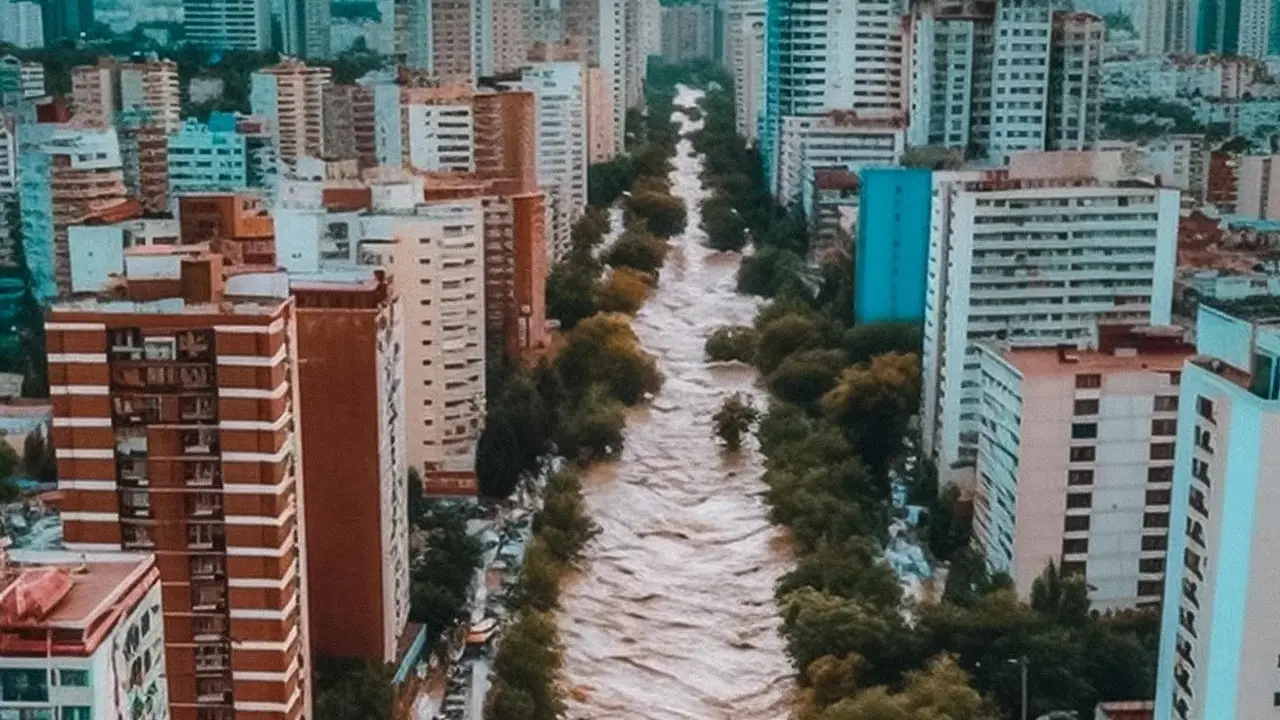







Every monsoon, images of waterlogged streets and submerged vehicles serve as a stark reminder of urban India's vulnerability to flooding. As cities expand, our reliance on concrete infrastructure only worsens the problem. But what if the solution wasn't
more concrete, but more nature?
Our Concrete Jungles Are Drowning
The story of urban flooding is a familiar one. Rapid, often unplanned, urbanisation has led to the proliferation of impervious surfaces like roads, buildings, and pavements. When heavy rain falls, this water has nowhere to go. Instead of seeping into the ground, it rushes into overburdened drainage systems, causing flash floods that disrupt lives and damage property. This issue is compounded by the alarming loss of natural water bodies. Indian cities have lost a significant percentage of their wetlands over the past few decades; Chennai has lost around 85%, Mumbai 71%, and Bengaluru 56%. This destruction of natural infrastructure directly correlates with an increased frequency of urban flooding and water scarcity. The traditional 'grey' infrastructure of pipes and drains is proving insufficient and expensive to combat the escalating challenges posed by climate change and extreme weather events.
Nature's Sponges: A Simple, Powerful Solution
Enter urban wetlands—marshes, lakes, ponds, and floodplains that exist within or near cities. These ecosystems are often called 'nature-based solutions' because they use natural processes to solve human problems. When it comes to flooding, their function is brilliantly simple: they act like giant, natural sponges. During heavy rainfall, wetlands absorb and store vast quantities of water, slowing its release into the surrounding landscape. This braking action reduces the peak flow of water, lowering flood heights and preventing erosion. Research shows that a single acre of wetland can store up to one million gallons of floodwater. By holding this excess water, they give drainage systems time to cope, significantly reducing the risk of downstream flooding. Studies have demonstrated that preserving wetlands can lead to financial cost savings of nearly 40% in urban areas by reducing flood damage.
More Than Just Flood Control
The benefits of urban wetlands extend far beyond flood mitigation. They are ecological powerhouses that enhance urban livability in numerous ways. Often called 'nature's kidneys', they act as natural filters, purifying polluted runoff and recharging groundwater aquifers, which is crucial for tackling water scarcity. They also help combat the 'urban heat island' effect by cooling the surrounding air through evapotranspiration. Furthermore, these ecosystems are hotspots for biodiversity, providing critical habitats for birds, fish, insects, and plants in otherwise built-up environments. Coastal wetlands, like mangroves, can blunt the force of storm surges, protecting coastal communities from erosion and damage. For residents, wetlands offer invaluable green spaces for recreation, improving physical health and social well-being.
From Grey to Green: The Path for Indian Cities
The concept of leveraging nature is gaining traction globally through initiatives like China's 'Sponge Cities' program, which aims to use natural features to absorb the majority of stormwater. In India, there are promising signs of a shift in thinking. The National Mission for Clean Ganga has initiated projects for integrated management of rivers and their associated wetlands. Case studies like the eco-restoration of Sembakkam Lake in Chennai demonstrate how scientific and community-led efforts can revive these vital ecosystems, improving water storage, biodiversity, and flood mitigation. Similarly, the East Kolkata Wetlands have long served as a natural sewage treatment and flood defence system for the city. However, for these solutions to become widespread, they must be integrated into mainstream urban planning. National initiatives like the Smart Cities Mission and AMRUT need to prioritise the protection and restoration of 'blue-green infrastructure'.