



Why Your Breakfast Needs a Protein Upgrade
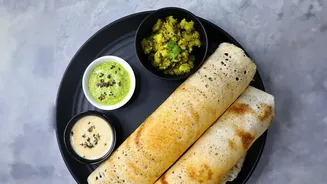
Traditional Indian breakfasts like dosa and chilla are delicious and comforting, but they are often rich in carbohydrates and can sometimes lack a significant protein punch. Protein is crucial for starting your day right; it helps in building and repairing
tissues, keeps you feeling full and satisfied until lunch, and provides sustained energy, preventing the mid-morning slump. Adding a protein source to your breakfast helps in better blood sugar regulation and supports muscle health. While dals are a traditional way to add protein, a finely ground seed powder is a quick, modern hack that seamlessly integrates into the batter without much effort.
The Best Seeds for Your Protein Blend
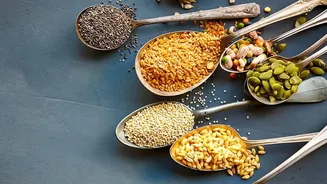
Not all seeds are created equal, but many are nutritional powerhouses perfect for this purpose. A good blend provides a balanced profile of protein, healthy fats, and fibre. Consider these top contenders: Pumpkin Seeds (Pepitas): A fantastic source of protein, offering about 8 grams per 30-gram serving. They are also rich in magnesium, iron, and zinc. Sunflower Seeds: These provide around 6 grams of protein per 30-gram serving and are an excellent source of Vitamin E, an important antioxidant. Hemp Seeds: A complete protein, hemp seeds contain all nine essential amino acids that our bodies can't produce on their own. They offer a nutty flavour and are packed with healthy omega-3 and omega-6 fatty acids. Flax Seeds: Known for their high content of omega-3 fatty acids and fibre, flax seeds must be ground to unlock their nutritional benefits, making them perfect for a powder. Chia Seeds: Like flax, chia seeds are rich in fibre, protein, and omega-3s. They absorb liquid and can help create a thicker consistency, so they should be used in moderation.
How to Make Your Homemade Seed Powder
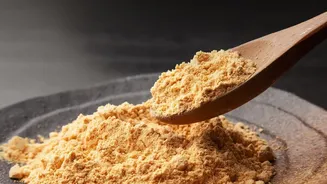
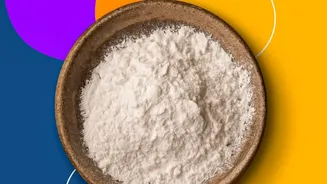
Creating your own protein powder is simpler than you might think and ensures there are no preservatives or hidden sugars. 1. Choose Your Seeds: Start with a mix of two or three seeds from the list above, such as pumpkin, sunflower, and flax seeds. 2. Gentle Roasting (Optional but Recommended): Lightly dry roast each type of seed separately in a pan on low heat for 2-3 minutes. This enhances their nutty flavour and removes any raw taste. Be careful not to over-roast, as high heat can damage the delicate fats. Let them cool completely before grinding; this is critical to prevent moisture from turning the powder into a paste. 3. Grind to a Fine Powder: Use a high-speed blender or a spice/coffee grinder to process the cooled seeds into a fine powder. Grinding in short pulses can help prevent the seeds from releasing too much oil and clumping. For flax seeds, grinding is essential for nutrient absorption. 4. Store Properly: Transfer your homemade seed powder to an airtight glass jar and store it in the refrigerator. This keeps the healthy fats from going rancid. It should stay fresh for up to three weeks.
Adding the Powder Without Altering Flavor
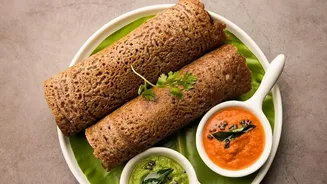
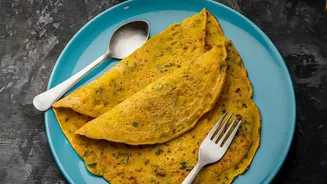
The key to boosting protein without changing the taste of your chilla or dosa is subtlety. The ground seeds have a mild, slightly nutty flavour that gets easily masked by the fermented notes of the batter and the spices you use. Start Small: A good rule of thumb is to add 1-2 tablespoons of the seed powder for every cup of batter. Whisk it in thoroughly until there are no lumps. Taste and Texture: The powder will make the batter slightly denser. If it becomes too thick, you can thin it with a little water until you reach the desired consistency. When used in these moderate amounts, the powder is virtually undetectable in the final cooked dosa or chilla. Many find that chia and flax seeds, in particular, have a very neutral taste when mixed into other foods. Beyond Batters: This versatile powder isn't just for dosas. You can sprinkle it into oatmeal, blend it into smoothies, mix it with yoghurt, or even add it to roti or paratha dough for a nutrient boost in other meals.