



The End of the Single-Purpose Outfit
For years, many wardrobes were strictly compartmentalised: formal kurtas for the office, heavy suits for weddings, casual tops for the weekend, and specific outfits just for travel. The result was often a closet packed with clothes but a recurring feeling
of having nothing to wear. Now, that logic is being flipped on its head. A growing number of Indian dressers are prioritising pieces that can seamlessly transition between different parts of their lives. The focus has shifted from quantity to quality and adaptability. This means investing in clothes that can be styled in multiple ways, effectively doing the job of three separate garments. The goal is a curated collection where every piece earns its place.
Why Now? The Drivers of Versatility
Several factors are fuelling this sartorial shift. The rise of hybrid work models has blurred the lines between professional and personal life, creating a demand for 'workleisure'—clothing that's comfortable enough for home but polished enough for a video call or an office visit. There's also a growing consciousness around mindful consumption. Shoppers are more aware of the environmental impact of fast fashion and are choosing to buy fewer, more durable items. This approach isn't just sustainable; it’s also economical. Building a 'capsule wardrobe' of interchangeable essentials saves money and reduces the decision fatigue that comes with an overflowing closet. It’s a move towards a more intentional and less cluttered lifestyle.
Anatomy of a Hardworking Wardrobe
So, what do these versatile pieces look like? Co-ord sets are a prime example; worn together, they create a polished, put-together look, but the top and bottom can be separated and paired with other items for endless combinations. A well-tailored kurta in a breathable fabric like cotton or linen can be worn with structured trousers for a formal setting, or with jeans for a casual weekend brunch. Similarly, items like shirt dresses, smart jumpsuits, and classic blazers are becoming staples because they offer a strong foundation for multiple outfits. The key is choosing clean silhouettes, quality fabrics like cotton-blends and viscose, and neutral or complementary colours that are easy to mix and match.
From Desk to Dinner, Effortlessly
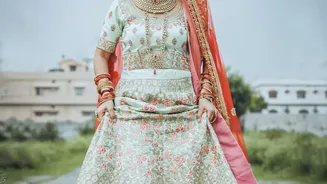
The magic of a versatile wardrobe lies in its styling. A simple A-line dress that is office-appropriate with a lightweight blazer and flats can be transformed for an evening out with statement earrings and heels. A straight-cut kurta paired with palazzos for work feels completely different when styled with a colourful, hand-embroidered dupatta for a festive occasion. Even the humble white shirt can be a chameleon; tucked into tailored trousers it’s all business, but worn open over a tank top with wide-leg jeans, it’s perfect for a travel day. It's about seeing each garment not as a final product, but as a starting point, using accessories and layering to adapt it to the needs of the moment.
The Rise of Mindful Indian Brands
This trend is being championed by a new wave of homegrown Indian brands that understand the needs of the modern consumer. Labels are focusing on creating 'trans-seasonal' collections that aren't tied to fleeting trends. Many are also putting sustainability at the forefront, using eco-friendly fabrics like organic cotton, Tencel, and Khadi, and reviving traditional craft techniques. Brands like FabIndia, Nicobar, The Summer House, and No Nasties are becoming go-to destinations for consumers looking for style that is both contemporary and conscious. They offer pieces that are rooted in Indian aesthetics but designed for a global, multifaceted lifestyle.