




The Allure of the Vertical
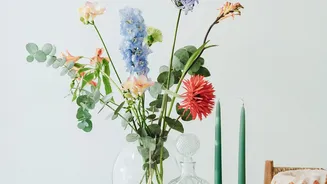
There's no denying the visual impact of a tall floral centerpiece. It draws the eye upward, creates a sense of grandeur, and can transform a space. From weddings to corporate events, vertical arrangements are a popular choice for making a statement. However,
their height is also their biggest vulnerability. Without a proper foundation, a tall arrangement is a tipping hazard waiting to happen, especially in high-traffic areas. The most beautiful design can become a costly mishap if it's not built on a stable base. That's where the unsung heroes of floristry come into play: the mechanics.
Understanding Floral Mechanics
In floral design, "mechanics" refers to the hidden tools and techniques used to support and stabilize an arrangement. Think of it as the skeleton that holds everything in place. For decades, the go-to mechanic was green floral foam, a spongy block that holds water and stems. While easy to use, concerns about its environmental impact—it's a single-use plastic that breaks down into microplastics—have led many designers to embrace more sustainable and often more effective alternatives. The most common and reliable mechanics include chicken wire, metal pin frogs (also known as kenzans), and waterproof tape grids. These tools aren't just for professionals; they're accessible and essential for anyone wanting to elevate their arranging skills.
Choosing Your Anchor Wisely
The right mechanic depends on your vase, your flowers, and your desired look. Chicken wire is a versatile favorite among florists for its flexibility and reusability. A ball of coated chicken wire tucked inside an opaque vase creates a sturdy, web-like structure that allows stems to be placed at natural angles, drink water freely, and be repositioned easily. For wide, shallow bowls or minimalist designs, a heavy metal pin frog is ideal. Secured to the bottom of the vase with floral clay, its sharp pins grip stems firmly, allowing for artful, asymmetric placements with heavier branches. Floral foam still has its uses, especially for large-scale event work where speed is essential, but it requires careful handling. Over-poking can cause it to crumble, and it must be secured with waterproof tape.
The Physics of Flower Arranging
A great floral arrangement is a balancing act. The taller the design, the higher its center of gravity, making it more prone to toppling. The choice of vase is critical. For a tall arrangement, you need a sturdy, heavy container or a tall, slender vase with a wide, weighted bottom. Many professional florists recommend vases that are at least 24 inches tall for elevated centerpieces to ensure guest sightlines aren't blocked at a table. When transporting tall arrangements, pros never do so fully assembled. They often build the top floral piece in a separate dish and place it on top of the vase only when on site. This prevents disasters in transit and ensures the final design is perfectly stable in its intended location.
Achieving Height, The Right Way
Dramatic height is not the enemy, but it must be earned through solid technique. Start by ensuring your chosen mechanic is securely fixed to the vessel—tape down your chicken wire, or use plenty of clay to anchor your pin frog. When building your arrangement, establish a structural base with sturdy greenery first before adding your more delicate focal flowers. This creates a supportive framework. As you add taller stems, be mindful of balance, turning the arrangement frequently to ensure it's not becoming top-heavy on one side. Don't be afraid to test for stability as you go. Gently nudge the arrangement to see if it feels secure. If it wobbles, it needs more support at its base. Mastering these foundational skills gives you the confidence to build not just taller, but better, arrangements.