




The Allure of the Quick Fix
In modern agriculture, the pressure for high productivity is immense. To meet market demands and ensure profitability, many farmers turn to intensive farming methods. A key part of this approach is the heavy use of synthetic chemical fertilisers, particularly
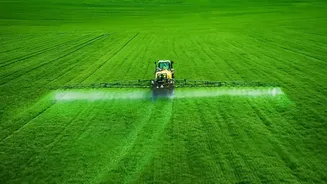
those rich in nitrogen. These fertilisers act like a shot of adrenaline for crops, providing readily available nutrients that can lead to rapid growth and impressive yields in a single season. This immediate, visible success makes them an attractive option, especially when facing economic pressures. Practices like monocropping—planting the same crop year after year—also simplify operations and can be profitable in the short run. However, this focus on immediate output often overlooks the complex, living ecosystem underfoot.
The Hidden Cost to Soil Health
While synthetic fertilisers deliver a nutrient punch, they do little to feed the soil itself. Healthy soil is teeming with microorganisms and is rich in organic matter—decomposed plant and animal material. This organic matter is crucial; it improves soil structure, helps retain water, and acts as a slow-release reservoir of essential nutrients. Intensive practices, however, degrade this vital component. Overuse of chemical fertilisers can alter soil pH and harm the microbial life that cycles nutrients naturally. Monocropping depletes specific nutrients and reduces the diversity of life in the soil. Tilling the soil, another common practice, breaks up its structure and speeds up the decomposition of organic matter, releasing carbon into the atmosphere and leaving the soil vulnerable.
From Bumper Crops to Diminishing Returns
The long-term consequence of this degradation is a vicious cycle. As soil organic matter declines, its ability to hold water and nutrients decreases. This means more irrigation and even more fertiliser are needed just to maintain the same yield, increasing costs for farmers. In India, soil organic carbon levels have fallen dramatically in some regions over the past several decades. The soil becomes compacted and less able to absorb rainfall, leading to increased water runoff and severe erosion, which strips away the most fertile topsoil. India loses billions of tonnes of topsoil to erosion annually. Eventually, the land becomes less productive, and yields may begin to stagnate or even decline, trapping farmers in a cycle of rising inputs and falling profits that can contribute to crippling debt.
Investing in the Future of Farmland
The alternative to this extractive approach is to treat soil as a long-term asset. Sustainable farming practices focus on building and maintaining soil health. Techniques like crop rotation, where different crops are planted in sequence, disrupt pest cycles and replenish a variety of nutrients. Planting cover crops during the off-season protects the soil from erosion and adds organic matter when tilled back in. Reducing tillage, or adopting no-till systems, helps preserve soil structure and microbial ecosystems. Using organic amendments like compost and manure provides a slow release of nutrients while simultaneously building up the soil's organic matter, enhancing its resilience to drought and disease. These methods may not always produce the dramatic short-term spike in yield seen with heavy chemical use, but they build a foundation for consistent, sustainable productivity for decades to come.