




Moving Beyond the Monolith
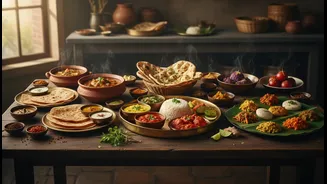
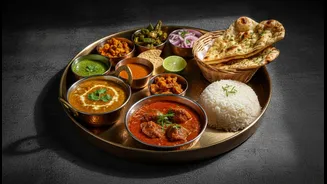
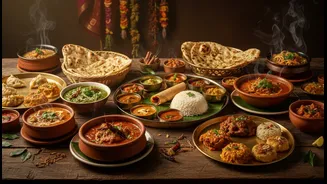
For decades, the perception of Indian cuisine, both at home and abroad, was limited to a handful of North Indian staples and generic South Indian dishes. Restaurant menus often felt predictable, recycling the same popular items. This created a monolithic
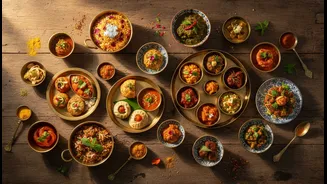
view of a culinary landscape that is, in reality, as diverse as its languages and cultures. Every 100 kilometres in India, the flavours and dishes can change dramatically. The current shift is a direct response to this oversimplification, driven by a renewed pride in heritage and a collective curiosity to explore the traditions of our own families and states.
The Digital Tadka
Social media has become a powerful force in this culinary renaissance. Platforms like Instagram and YouTube have democratised food media, giving a voice to a new generation of storytellers. Home cooks, once confined to their kitchens, are now becoming influencers, sharing generations-old family recipes and techniques. Content creators are showcasing the foods of their specific communities—from a Maharashtrian Pangat to a Khasi Jadoh or an Odia Chena Poda. These digital enthusiasts are not just sharing recipes; they're sharing the history, culture, and personal memories behind each dish, making the food more accessible and relatable.
Chefs as Culinary Archivists
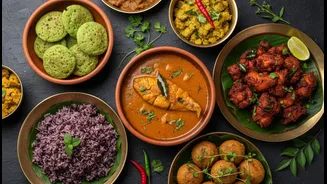
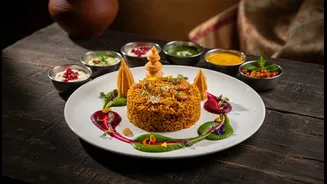
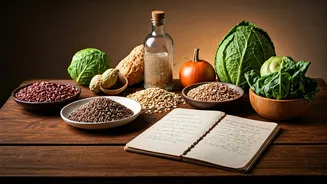
A new breed of chefs has turned their focus from mere innovation to preservation. They are acting as culinary archivists, travelling to remote villages, speaking with elders, and documenting disappearing dishes that were never written down. Chefs like Vanika Choudhary are championing forgotten grains, while others are reinventing Parsi classics or bringing back hyperlocal dishes like the Meitei fish curry, Nga Atoiba Thongba. This movement isn't just about reviving old recipes; it’s about sourcing ingredients ethically, celebrating local agriculture, and telling the stories of the communities that created these foods. Restaurants are now presenting menus that are deeply rooted in place, some even detailing the family or village a recipe comes from.
A Hunger for Authenticity
Today's diners are no longer satisfied with generic plates; they crave stories and connection. There's a growing desire to understand the 'why' behind the 'what'—where does a spice come from, what is the history of a technique, and what makes a dish significant to a community? This has fueled a demand for authenticity and a nostalgia-driven shift towards dishes that feel rooted and soulful. A plate of Litti Chokha or Kosha Mangsho is more than just a meal; it's a cultural memory that people want to experience and understand. This search for genuine experiences is pushing restaurants and food brands to highlight regional depth, moving beyond comfort food to offer a taste of history.
The Future is Hyperlocal
This embrace of regional food storytelling is more than a fleeting trend; it appears to be a cultural realignment. It reflects a deeper appreciation for India's immense diversity and a collective effort to preserve culinary heritage for future generations. As chefs continue to unearth lost recipes and digital creators share the flavours of their hometowns, the narrative of Indian food becomes richer and more honest. The future of Indian cuisine, it seems, lies not in inventing the new, but in celebrating and understanding the old, ensuring that the stories on our plates are as diverse as the country itself.