

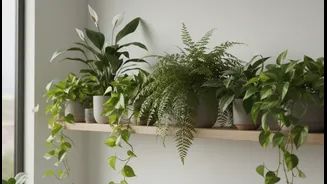



Monsoon Plant Care Essentials
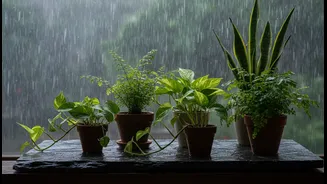
Before diving into specific plants, remember the golden rule of monsoon gardening: less is more. The high humidity means soil stays damp for longer. Always check if the top inch or two of soil is dry before watering, as overwatering is the biggest risk
during this season. Ensure every pot has drainage holes to prevent root rot. Good air circulation is also key, so avoid crowding plants together. A little pruning of dead leaves helps prevent fungal infections, which are more common in damp weather.
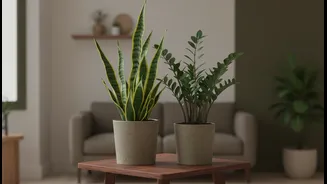
1. Snake Plant (Dracaena trifasciata)
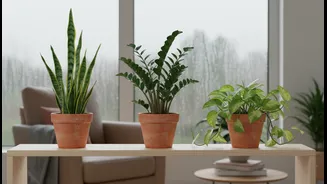
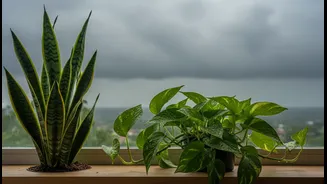
Often called 'Mother-in-Law's Tongue,' the Snake Plant is legendary for its toughness. Its striking, sword-like leaves add a modern architectural element to any room. It is exceptionally tolerant of low light and infrequent watering, making it ideal for beginners and busy homeowners. Originally from tropical parts of Africa and Asia, it's well-adapted to warm, humid conditions. During the monsoon, be extra careful not to overwater; allow the soil to dry out completely. Its root system is designed to store water, so it's very susceptible to rot in soggy soil. It also purifies the air by absorbing common household toxins.
2. ZZ Plant (Zamioculcas zamiifolia)
The ZZ Plant is another nearly indestructible option, famous for thriving on neglect. Its wide, glossy, dark green leaves look perpetually polished and bring a touch of elegance. While it can survive in very low light, its growth may slow down. It is the perfect plant for a dim corner in an office or apartment. Like the Snake Plant, the ZZ Plant has rhizomes that store water, so it's extremely drought-tolerant. For monsoon care, watering should be minimal, perhaps only once every few weeks when the soil is completely dry. Good drainage is non-negotiable to keep it healthy.
3. Money Plant/Pothos (Epipremnum aureum)
A staple in many Indian households, the Money Plant, or Pothos, is incredibly versatile. Its trailing vines look wonderful on shelves or in hanging baskets. It is highly adaptable and tolerates low light, although highly variegated types might lose some of their patterning and become greener to compensate. Pothos is native to tropical forests and accustomed to cycles of heavy rain followed by dry periods, so it appreciates its soil drying out between waterings. In the high humidity of monsoon, you'll need to water less frequently. Yellowing leaves are often a sign of overwatering. It's also known for its air-purifying qualities.
4. Peace Lily (Spathiphyllum)
If you want a plant that flowers in low light, the Peace Lily is an excellent choice. Its elegant white blooms stand out against the dark green leaves, bringing a sense of serenity. This plant prefers shady spots and thrives in the high humidity typical of the rainy season. It is also celebrated for its ability to purify indoor air by removing toxins like ammonia and benzene. Some studies suggest it can also help reduce airborne mould spores, a common issue in damp weather. Keep the soil consistently moist but not waterlogged. Its leaves will droop dramatically to let you know when it's thirsty, making it easy to know when to water.
5. Aglaonema (Chinese Evergreen)
Valued for its stunning, often colourful, patterned leaves, the Aglaonema is another champion of low-light conditions. It comes in a variety of shades, from deep greens to silvers and pinks, adding a splash of colour to dim corners. They are well-suited to the Indian climate and can handle the ambient humidity of the monsoon season with ease. Like other plants on this list, the key is to avoid overwatering. Let the soil dry partially before watering again and ensure your pot has excellent drainage to prevent root issues. Its ability to thrive with minimal fuss makes it a rewarding plant for any indoor garden.