





From Street Cart to Chef's Table
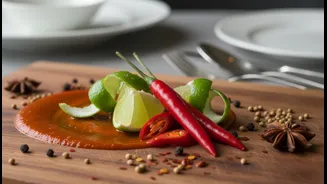
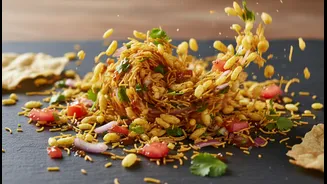
For generations, the word 'chatpata' has been synonymous with the joy of Indian street food. It’s the complex flavour bomb of pani puri, the comforting tang of bhel puri, and the layered delight of a papri chaat. This profile—a collision of sweet, sour,
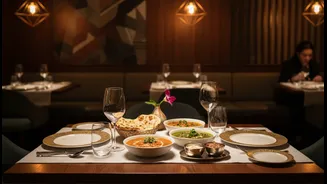
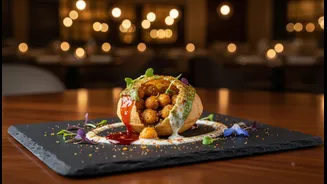
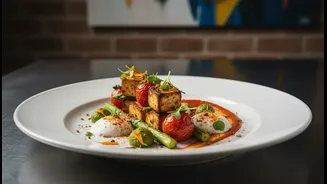
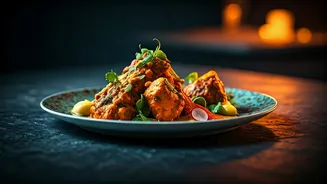
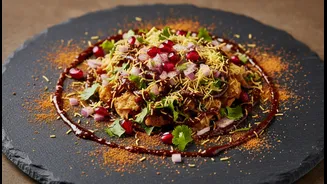
spicy, and salty—was perfected not in fancy kitchens, but by street vendors. Now, a new wave of Indian chefs is taking this beloved flavour profile and giving it a gourmet makeover. Restaurants are deconstructing and reimagining classic chaat, moving it from a humble street-side snack to an elevated dining experience. Think creations like chilled sea bass sev puri or avocado bhel, where familiar flavours are presented with new ingredients and sophisticated plating. This trend isn't about replacing the original, but celebrating its core principles of texture and flavour in a new, exciting context. As one chef notes, it's about taking flavours people have grown up with and showing them in a completely different light.
The Global Palate Catches On
The appeal of chatpata is proving to be universal. The dynamic, multi-layered flavour profile is finding fans far beyond India's borders. Food industry reports from 2026 highlight that global diners are increasingly seeking bold, authentic, and complex tastes, moving away from one-dimensional meals. Indian street food, particularly chaat, is being recognized as a perfect entry point to the depth of Indian cuisine. Chaat-themed restaurants and food trucks are now a growing presence in cities like New York and London. This global rise is partly driven by the Indian diaspora sharing the food of their heritage, and partly by a new generation of chefs who are confidently showcasing regional Indian food on the world stage. Once flattened into a simple 'curry' descriptor, Indian food's global story is getting richer, with chatpata leading the charge.
A Healthier, 'Smarter' Indulgence
As wellness becomes a bigger priority, the chatpata world is adapting. The traditional indulgence associated with fried snacks and sugary chutneys is being re-engineered for the health-conscious consumer. This has given rise to a category of 'smarter' chatpata snacks. Supermarket aisles now feature baked lentil chips, roasted makhana, and millet-based snacks seasoned with classic chaat masala, offering high-protein, high-fibre alternatives to their fried counterparts. Chefs and home cooks are also creating healthier chaat variations, such as sprout-based bhel, quinoa chaat, and paneer chaat. These dishes replace heavier ingredients with lighter, more nutrient-dense options like sprouts, fresh fruits, and yogurt, while keeping the essential tangy and spicy flavours intact. This evolution makes the beloved chatpata flavour feel less like a guilty pleasure and more like a satisfying, mindful snack.
The Instagram-Worthy Experience
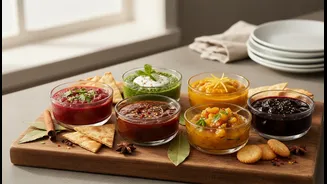
In the digital age, we eat with our eyes first, and modern chaat is ready for its close-up. The vibrant colours and textures of chaat—the bright green of mint chutney, the deep red of pomegranate seeds, the white of yogurt, and the golden crunch of sev—make it inherently photogenic. Chefs in fine-dining restaurants are leveraging this visual appeal, using artistic plating to turn chaat into an Instagram-worthy creation. Beyond the plate, the entire experience is becoming more engaging. Live chaat counters at weddings and events have become a major trend, allowing guests to customize their dishes and watch them being made. This interactive element turns snacking into a form of entertainment and personal expression, tapping into a desire for dining experiences that are both memorable and shareable.