





More Than Just Roughage
For decades, dietary fibre was primarily discussed in the context of preventing constipation. While it certainly excels at promoting regularity, this view barely scratches the surface of its profound health benefits. Dietary fibre is a type of carbohydrate
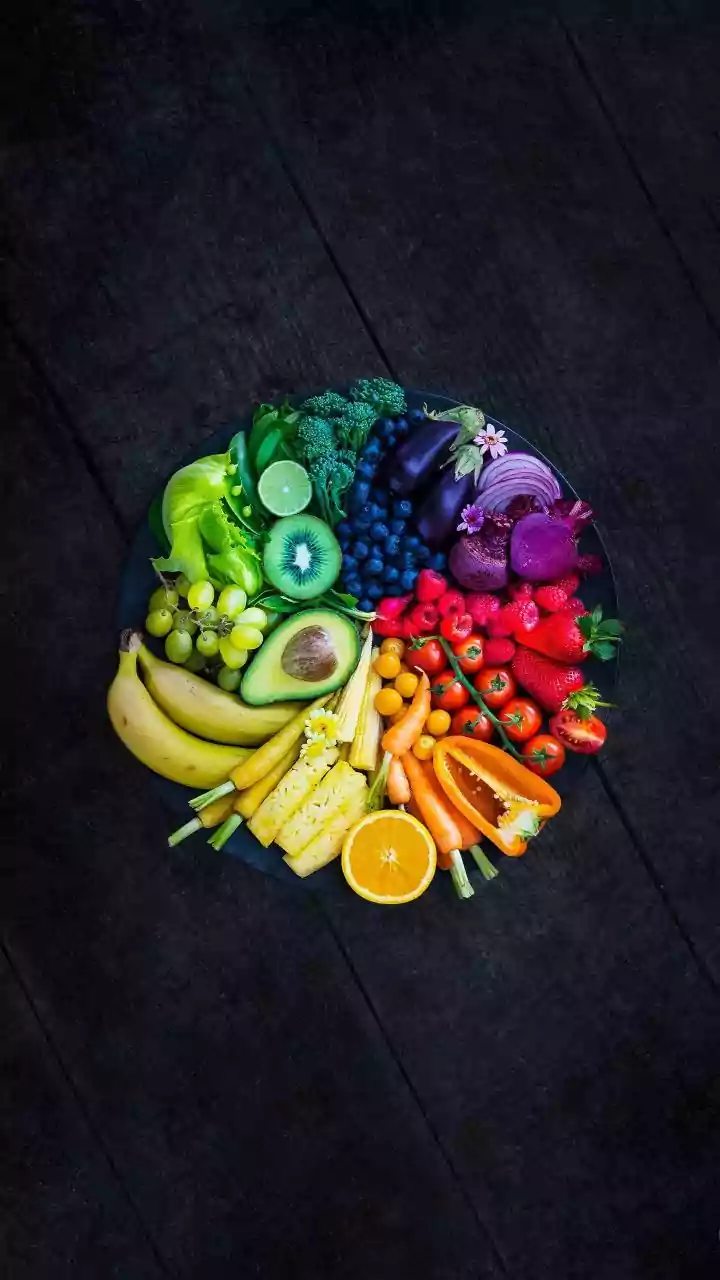
found in plant-based foods like fruits, vegetables, whole grains, and legumes that the body cannot digest. It travels through our digestive system largely intact, playing a much more complex role than previously understood. There are two main types: soluble fibre, which dissolves in water to form a gel-like substance, and insoluble fibre, which does not. Soluble fibre, found in oats, beans, and apples, is known to help lower cholesterol and stabilise blood sugar. Insoluble fibre, present in whole wheat products and leafy greens, adds bulk to stool, aiding its passage through the gut. Modern science, however, is revealing that fibre's most significant role may be one of a powerful regulator for the entire body.
The Gut Microbiome Revolution
The “redefining” aspect of fibre lies in its relationship with our gut microbiome—the trillions of bacteria living in our digestive tract. This internal ecosystem is now linked to everything from our immune system to our mental state. Fibre acts as a prebiotic, which is essentially food for these beneficial gut bacteria. As these good bacteria ferment certain fibres, they produce compounds called short-chain fatty acids (SCFAs), such as butyrate. These SCFAs are metabolic powerhouses. They nourish the cells lining our colon, help reduce inflammation throughout the body, strengthen the gut barrier, and support immune function. A healthy, well-fed microbiome can better crowd out harmful bacteria, creating a robust internal defence system. This crucial link explains why a diet rich in diverse plant fibres is no longer just about digestive health, but about fostering an internal environment that supports overall vitality.
A Weapon Against Modern Ailments
The shift towards a greater appreciation for fibre is also a response to the rise of non-communicable or lifestyle diseases in India and across the world. Studies consistently show that adequate fibre intake is associated with a significantly lower risk of developing conditions like coronary heart disease, type 2 diabetes, and certain types of cancer, particularly colorectal cancer. For diabetes management, fibre slows the absorption of sugar into the bloodstream, preventing sharp spikes in glucose levels. In terms of heart health, soluble fibre can bind with cholesterol in the digestive system, helping to remove it from the body and lower 'bad' LDL cholesterol levels. Furthermore, high-fibre foods tend to promote a feeling of fullness, or satiety, which can aid in weight management and reduce the risk of obesity-related complications.
Bringing Fibre Back to the Indian Plate
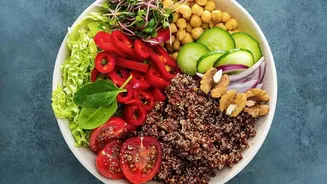
The good news is that traditional Indian cuisine is naturally rich in fibre, offering a wealth of delicious and accessible options. The key is to embrace whole foods over their processed counterparts. Millets like jowar (sorghum), bajra (pearl millet), and ragi (finger millet) are fibre-packed alternatives to refined white rice. Lentils and legumes, the stars of countless dal and curry dishes like rajma and chole, are excellent sources of both fibre and protein. Incorporating a variety of local and seasonal vegetables is another simple strategy. From lauki (bottle gourd) and French beans to green peas and carrots, Indian vegetables offer a spectrum of nutrients and fibres. Even simple breakfast choices like vegetable poha, besan or moong dal chilla, and ragi dosa can provide a substantial fibre boost to start the day right.
Simple Swaps for a High-Fibre Lifestyle
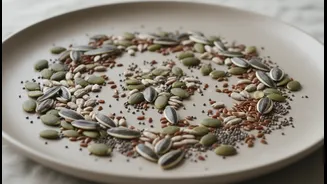
Increasing your fibre intake doesn't require a complete dietary overhaul. Small, consistent changes can make a big difference. Consider swapping white bread for whole wheat or multigrain roti and bread. Instead of packaged fruit juice, eat the whole fruit to get the benefits of its skin and pulp. Opt for brown rice or millet-based dishes like khichdi and pongal a few times a week. You can also sprinkle a tablespoon of flax or chia seeds onto your curd, smoothie, or morning oatmeal. When snacking, reach for a handful of nuts, roasted chana, or a seasonal fruit. The goal is not perfection but progress, gradually building habits that make fibre-rich eating a natural and enjoyable part of your daily routine.