




A Green Wall Against Nature's Fury
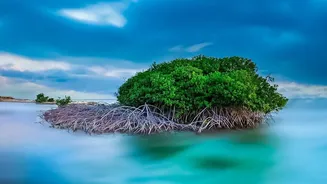
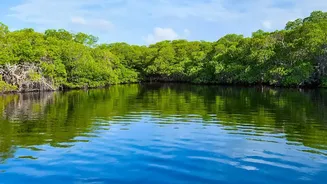
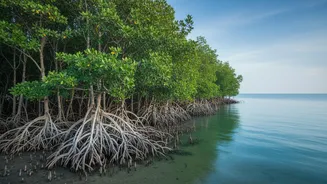
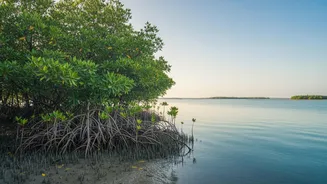
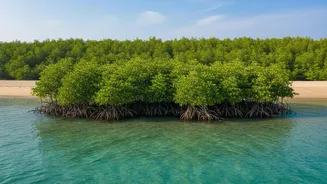
Imagine a dense, tangled forest standing guard where the land meets the sea. This is a mangrove ecosystem, one of nature's most effective coastal defence systems. When a cyclone makes landfall, it brings with it a storm surge—a massive wall of water pushed
inland by ferocious winds. These surges can cause catastrophic flooding and saline water intrusion, destroying homes and rendering farmland barren. Mangroves act as a natural brake. Their complex network of roots, trunks, and canopies works to absorb and dissipate the raw energy of the waves. Studies have shown that a healthy mangrove forest can reduce wave energy significantly, slowing the flow of water and lessening the inland reach of the surge. Evidence from cyclones like Amphan and Yaas in the Sundarbans and other storms in Odisha has consistently shown that villages shielded by these green barriers suffer significantly less damage than those left exposed.
The Community-Led Restoration Model
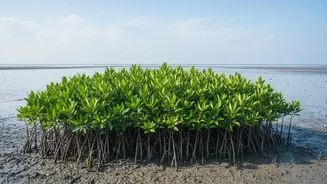
The real power of these projects lies not just in the trees, but in the people who plant them. Across the coastlines of West Bengal, Odisha, and Andhra Pradesh, local communities are at the forefront of mangrove restoration. These initiatives often begin with support from NGOs and government bodies, but their long-term success is driven by community ownership. The process typically involves establishing local nurseries to grow mangrove saplings. Community members, particularly women's self-help groups, are trained in identifying suitable planting sites, understanding the local hydrology, and monitoring the health of the young trees. This participatory approach ensures that the projects are tailored to local conditions and fosters a sense of stewardship. By involving villagers in every step, from seed collection to planting and protection, these projects transform residents into vigilant guardians of their new coastal forests.
Success Stories from the Shoreline
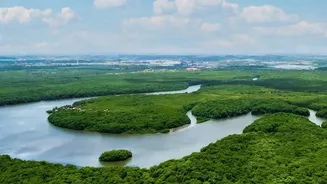
The effectiveness of this approach is not theoretical. In the Sundarbans, the world's largest mangrove forest, community-restored areas have played a vital role in protecting embankments and villages during recent powerful cyclones. In one project, 4,000 hectares of restored mangroves acted as a formidable natural barrier against Cyclone Amphan, with the trees resisting high-speed winds and preventing widespread saltwater flooding. Similarly, in Odisha's Bhitarkanika and Kendrapara districts, villages protected by mangrove buffers have consistently reported less damage to homes and crops compared to their unprotected neighbours. A study following the 1999 Odisha Super Cyclone found a clear inverse relationship: the wider the mangrove belt, the fewer deaths a village experienced, demonstrating their life-saving capacity. These successes have spurred further government action, such as the national MISHTI programme, aimed at facilitating mangrove plantations along the coastline.
More Than Just a Barrier
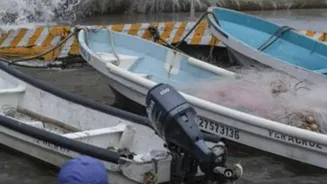
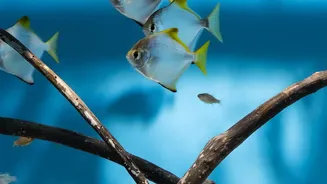
The benefits of mangrove afforestation extend far beyond storm protection. These unique ecosystems are hotspots of biodiversity, serving as crucial nursery grounds for fish, crabs, and prawns. This directly supports the livelihoods of local fishing communities, ensuring a more stable source of income and food security. Furthermore, mangroves are champions of climate change mitigation. They are incredibly efficient at carbon sequestration, capturing and storing vast amounts of atmospheric carbon in their biomass and the soil below, a phenomenon known as 'blue carbon'. Their dense root systems also help stabilise the shoreline, preventing coastal erosion that is being exacerbated by rising sea levels. This combination of ecological and economic benefits makes mangrove restoration a holistic strategy for building coastal resilience.
The Rising Tide of Challenges
Despite the clear benefits and successes, community afforestation projects face significant hurdles. The survival of planted saplings is not guaranteed; they are vulnerable to changing salinity levels, pollution, and inappropriate site selection. Securing long-term funding and navigating land rights issues can be complex. Furthermore, the very climate change that makes these projects so necessary also poses a threat, with accelerating sea-level rise threatening to submerge existing mangrove forests. Experts argue that success shouldn't just be measured by the number of trees planted, but by their long-term survival and the recovery of ecosystem functions, which requires sustained monitoring and data collection. Overcoming these challenges requires a concerted effort from governments, scientists, and communities to ensure that restoration efforts are scientifically sound and socially equitable.