





A New Culinary Map Emerges
A quiet but powerful shift is reshaping India's gastronomic landscape. The engines of culinary growth are increasingly found not in the saturated metro markets, but in Tier-2 and Tier-3 cities. [8, 19] A recent Grant Thornton Bharat report highlights
that cities like Jaipur, Lucknow, and Indore are becoming the next frontiers for the restaurant industry. [21] This transformation is fueled by a potent mix of rising disposable incomes, better infrastructure, widespread digital access, and a population with aspirations that mirror their metro counterparts. [9, 11] Consumers in these cities are no longer just potential markets; they have arrived, and they are hungry for variety, quality, and new experiences. [9]
The Digital Disruption
Perhaps the single greatest catalyst for this change has been the aggressive expansion of food delivery platforms like Zomato and Swiggy into smaller cities. [10, 15] These apps have democratized the food business, allowing local entrepreneurs to launch niche brands and cloud kitchens without the prohibitive costs of prime real estate. [10, 12] A pizzeria in Rishikesh or an idli joint in Kochi can now reach thousands of customers, turning small-scale operations into profitable ventures with booming sales. [12] This digital ecosystem, combined with the ease of UPI payments and the marketing power of social media, has created a level playing field, allowing a café in Surat to gain as much visibility as one in Bengaluru. [10] The cloud kitchen model, in particular, has exploded, with the market expected to reach over $2.8 billion by 2030, driven by demand in these emerging cities. [18, 20]
Spotlight: Where Tradition Meets Trend
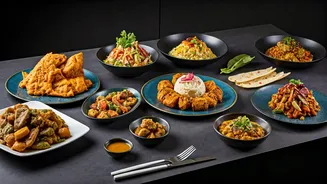
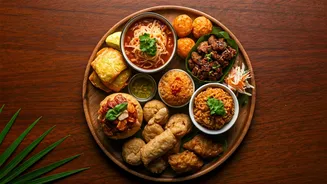
Each emerging city brings its own unique flavour to the national palate. In Lucknow, the 'City of Nawabs', the legendary Awadhi cuisine with its dum-style cooking and fragrant biryanis now coexists with trendy cafes and modern restaurants. [23, 27] In Indore, a city celebrated for its vibrant street food culture, traditional vendors of poha-jalebi and kachori are finding new customers through online platforms. [23, 31] Meanwhile, Kochi, India's historic spice capital, is leveraging its access to fresh seafood and global influences to create a distinctive culinary identity that balances tradition with modern health-consciousness. [23] This revival and modernization of regional cuisines is a key trend, as chefs and entrepreneurs rediscover forgotten recipes and champion local ingredients. [29]
The Consumer at the Centre
This decentralization is fundamentally a story about the Indian consumer. People in Tier-2 and Tier-3 cities are earning more and are eager to spend on quality-of-life improvements, including dining out and ordering in. [9] This isn't just about convenience; it's a lifestyle shift. [21] Demand is becoming more sophisticated, with a growing interest in everything from healthier, protein-rich snacks to gourmet ingredients and global food trends. [9, 27] Quick-commerce platforms like Blinkit and Zepto are also expanding into these regions, catering to a new demand for instant gratification that was once exclusive to metros. [10] This growing consumer base is confident, digitally fluent, and ready to experiment, pushing brands to innovate and expand beyond their traditional strongholds. [19]