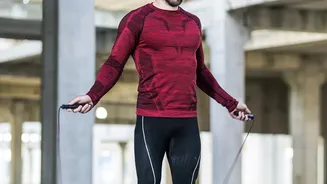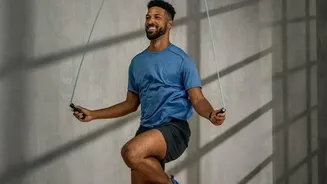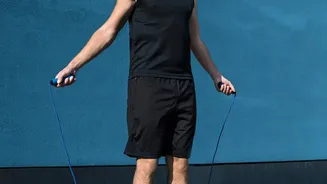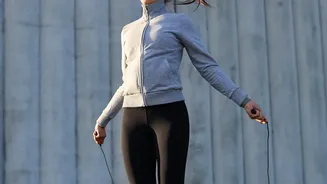

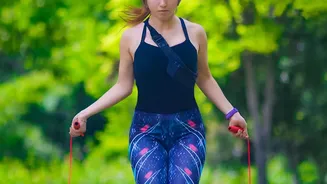
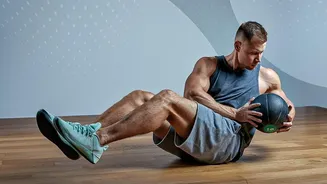
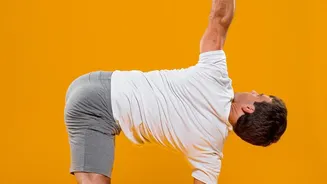
Jump rope is a powerhouse workout, celebrated for its efficiency in burning calories and boosting cardiovascular health. But the fear of high-impact strain on knees and ankles holds many back. This guide will show you how to make it a safe practice.
Why Proper Form is Non-Negotiable
Contrary
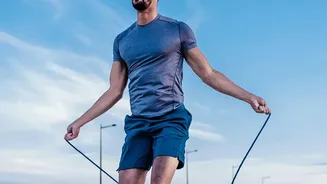
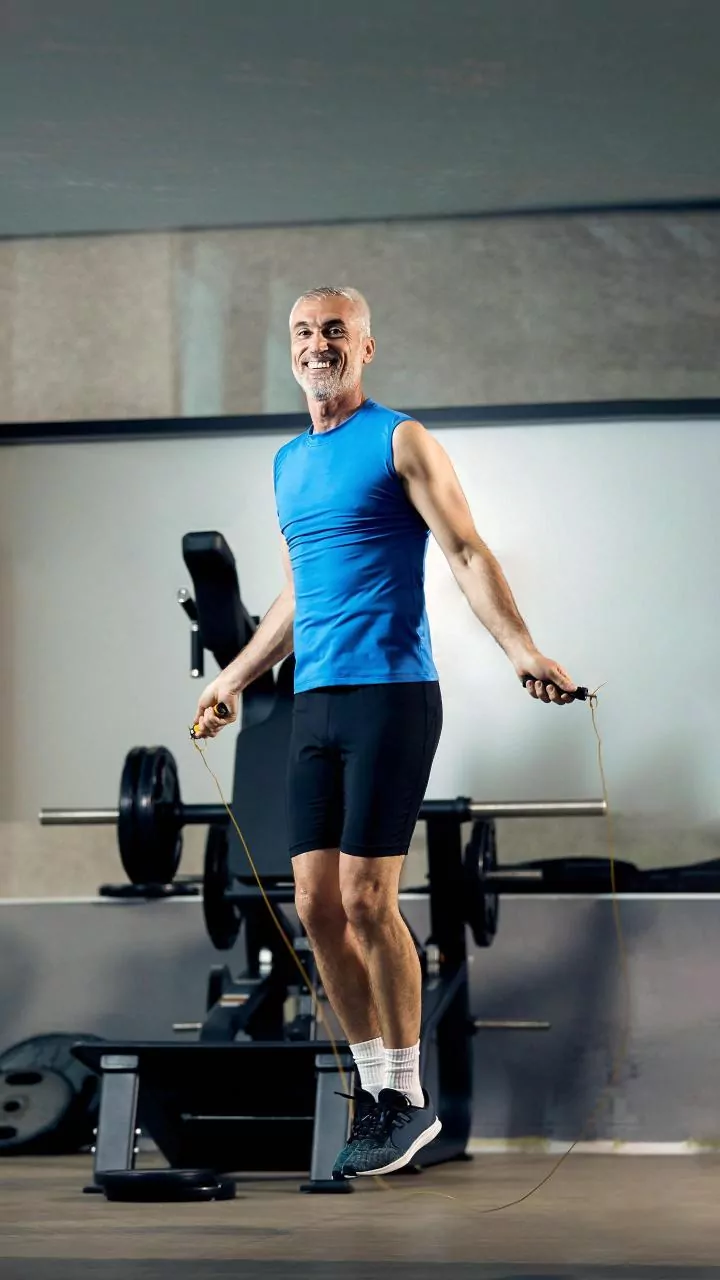
to popular belief, jumping rope is a low-impact exercise when done correctly. The key is to minimise the force traveling through your joints with each landing. This isn't about jumping high; in fact, it's the opposite. The goal is to create just enough space for the rope to pass under your feet—often no more than an inch or two off the ground. Landing softly on the balls of your feet with a slight bend in your knees allows your calf muscles to act as natural shock absorbers. This prevents the jarring impact that occurs when landing flat-footed or on your heels. Proper posture is also crucial: keep your chest up, shoulders back and down, and your elbows tucked near your ribs. The rotation should come from your wrists, not your arms or shoulders, creating a small, efficient arc with the rope.
The Surface Beneath Your Feet Matters
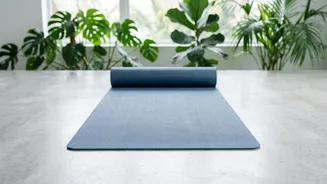
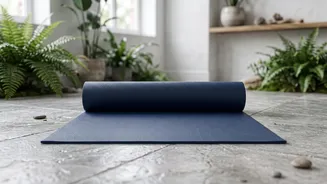
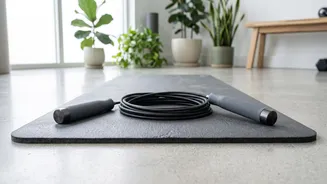
Where you jump has a significant effect on the impact your body absorbs. Concrete and asphalt are the worst offenders, offering no forgiveness and sending shockwaves straight up your legs. If you must use a hard surface, investing in a quality jump rope mat is essential. These mats are specifically designed to be dense enough to absorb impact without feeling soft or unstable, which can throw off your timing. The ideal surface has a bit of give. Sprung wooden floors, like those in a basketball court or dance studio, are considered the gold standard. Other great options include rubber gym flooring, firm turf, or even tightly packed dirt. Avoid jumping on deep, plush carpets, as the rope can snag and the unstable surface can lead to poor form.
Choosing the Right Gear
Your shoes and your rope are your two most important pieces of equipment. When it comes to footwear, running shoes are often not the best choice because their thick, cushioned heels and high heel-to-toe drop can promote instability. Instead, opt for cross-training shoes or court shoes that offer good stability, a relatively flat sole, and cushioning in the forefoot. The shoe should be flexible at the ball of the foot but provide firm support. The rope itself plays a huge role in your form. A common beginner mistake is using a rope that is too long. This forces you to swing your arms out wide and jump higher to clear the rope, leading to bad habits and increased impact. To find the right length, step on the middle of the rope with one foot. The handles should reach your armpit area. For beginners, a slightly weighted rope can provide better feedback, making it easier to feel the rope's rotation and find a rhythm.
Common Mistakes and How to Fix Them
Even with the right gear, a few common form errors can turn a low-impact workout into a high-impact one. The most frequent mistake is jumping too high. Remember, you only need to clear the rope. Focus on small, controlled bounces. Another issue is 'donkey kicking', or kicking your feet back as you jump. This wastes energy and can throw you off balance. Keep your legs relatively straight. Finally, many beginners try to swing the rope with their entire arms. This leads to fatigue and poor control. Keep your hands near your hips and let your wrists do the work. If you find yourself constantly tripping, check your rope length first, as it is the most common culprit.
WarmUp and CoolDown Essentials
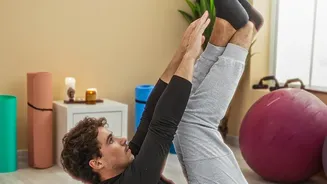
Never jump into a rope workout cold. A proper warmup prepares your muscles and joints for the activity, significantly reducing your risk of injury. Spend 5–10 minutes on dynamic movements that activate the key muscle groups. Good options include jogging in place, butt kicks, high knees, ankle circles, and torso twists. After your workout, a cooldown is just as important. It helps your heart rate return to normal gradually and can reduce muscle stiffness. Focus on static stretches for your calves, hamstrings, quads, and glutes, holding each stretch for 20–30 seconds without bouncing.