


The Taste of Memory
For generations of Indians, the phrase 'maa ke haath ka khana' (food cooked by mother's hands) has represented more than just a meal. It’s an entire ecosystem of love, care, and identity, boiled down into familiar flavours. It's the rajma-chawal that
tastes like a lazy Sunday afternoon, the poha that signals the start of a weekend, or the simple curd rice that soothes an upset stomach. This food wasn't just sustenance; it was the unchanging, reliable backdrop to our lives, a culinary anchor that connected us to family and childhood. It was never meant to be found on a printed menu, ordered from a stranger, or paid for with a credit card.
From Kitchen Counter to Cafe Bill
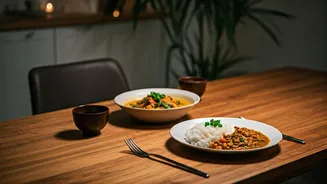
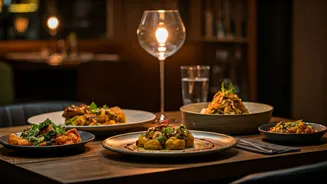
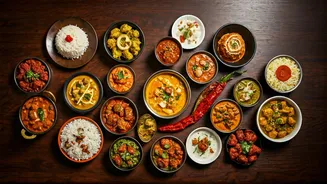
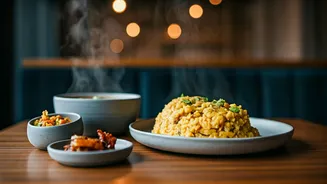
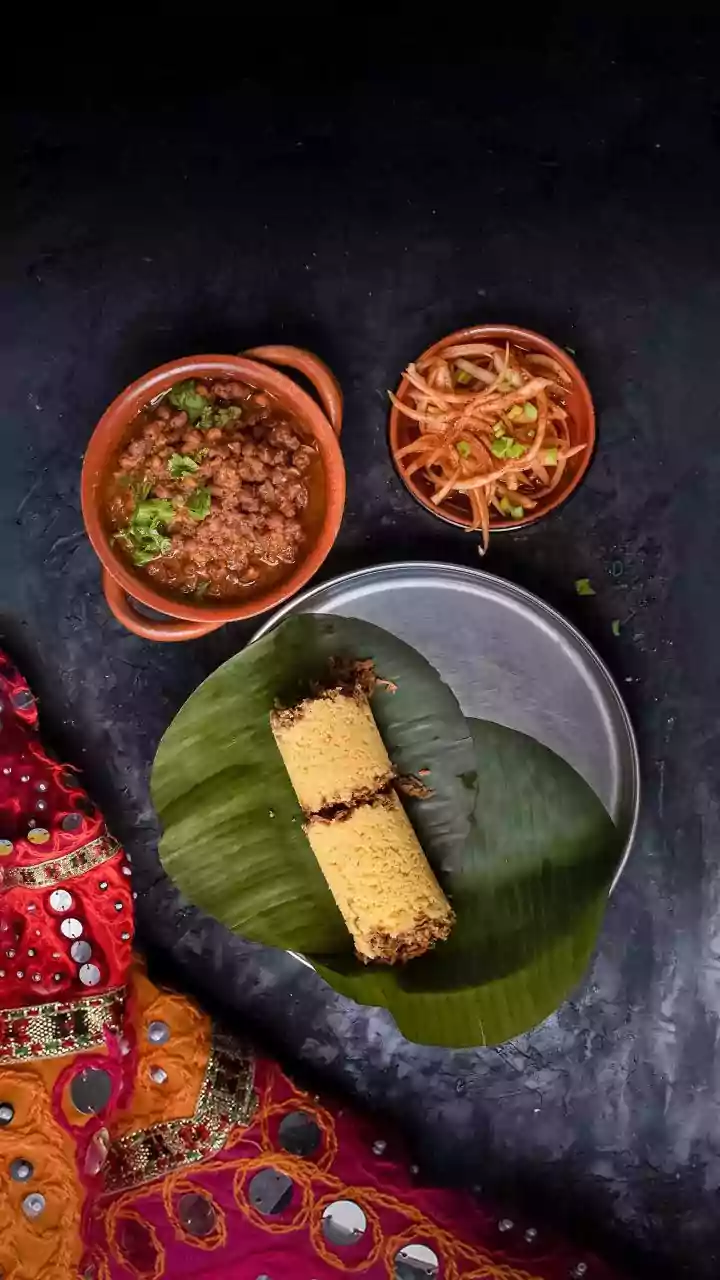
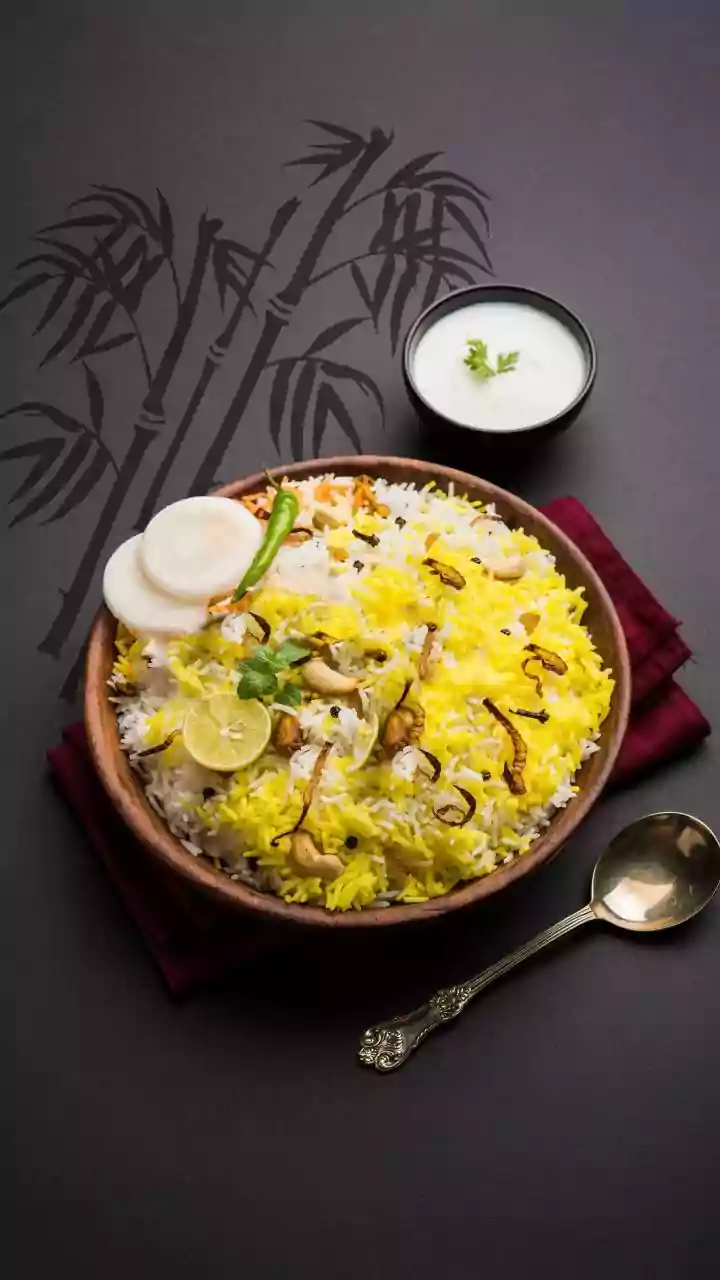
Walk into a trendy urban cafe today, and alongside the avocado toast and quinoa salads, you might find something surprising: a 'Ghar Jaisi Dal Khichdi' or a 'Tiffin Box Thali'. Restaurants are increasingly commercialising comfort. What was once the domain of the family kitchen is now a profitable menu category. Simple, home-style dishes are being re-packaged and sold to a generation hungry for a taste of the past. This isn't about complex, festive Indian cuisine; it's about the everyday food that millions grew up on. The trend elevates the humble to the hip, turning dal-chawal from a daily staple into a deliberate choice for a meal out.
Why We Pay for What Was Once Free
The rise of this trend is a direct reflection of modern India. With rapid urbanisation, millions of young professionals and students move to big cities, leaving their family homes—and kitchens—behind. For this demographic, a plate of home-style food is not just a meal; it's a cure for homesickness. Busy schedules and a lack of cooking skills or time mean that recreating these dishes themselves is often not feasible. Cafes and delivery services have stepped in to fill this emotional and nutritional gap. They are selling a feeling as much as a food item. In a world of overwhelming choice and complex global flavours, the simplicity and predictability of a home-style meal offer a unique form of psychological comfort.
The Chef's Delicate Task
For chefs and restaurateurs, this trend presents a unique challenge: how do you standardise a memory? Every family's dal has a slightly different tadka, every household's khichdi has its own consistency. The 'authenticity' they are selling is deeply personal and varies from customer to customer. Success lies not in creating a single 'perfect' version, but in capturing the essence of home cooking—simple ingredients, balanced flavours, and a feeling of wholesomeness. The marketing is key. Menus use evocative words like 'classic', 'comfort', 'homestyle', and 'Grandma's recipe' to tap directly into the customer's longing for familiarity and care.
Can You Buy Authenticity?
Cynics might argue that commercialising nostalgia strips it of its meaning. Can a feeling so intrinsically linked to family and love truly be replicated in a commercial kitchen and served for a profit? Perhaps not perfectly. A restaurant's khichdi can never truly replace the one your mother made when you were sick. But that might be missing the point. These establishments aren't trying to replace home; they're offering a proxy. They provide an accessible, convenient echo of a feeling that many urban Indians are disconnected from. It’s a transaction that offers more than just calories; it offers a brief, comforting moment of connection to a life that feels increasingly distant.