




A Race Against Rot and Ruin
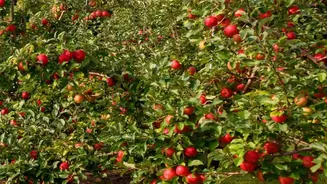
Traditionally, the apple season in Kashmir, which peaks between September and October, created a massive logistical bottleneck. With millions of metric tonnes of apples ripening at once, farmers were forced into a desperate situation. Lacking adequate
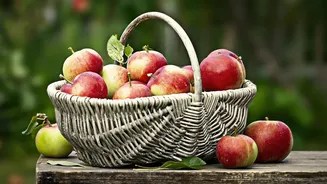
storage, they had to sell their produce immediately, flooding markets and causing prices to plummet. This frantic period of "distress sales" meant growers, particularly smaller ones, were at the mercy of middlemen and market volatility, often failing to recover their costs. Any delay, whether from congested highways or other disruptions, could lead to spoilage, with studies indicating post-harvest losses could be as high as 25 to 30 percent due to inadequate infrastructure. This environment turned each harvest into a high-stakes gamble rather than a secure source of income.
The Controlled Atmosphere Game-Changer
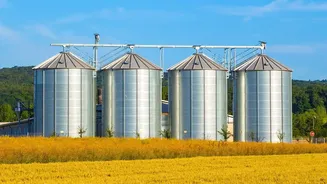
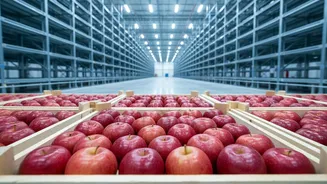
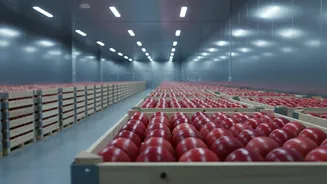
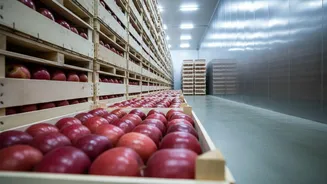
The arrival of modern cold storage, specifically Controlled Atmosphere (CA) facilities, has been a turning point. Unlike conventional cold storage, CA technology precisely manages the storage environment by lowering oxygen levels and controlling carbon dioxide, temperature, and humidity. This process effectively puts the apples to sleep, slowing their ripening and preserving their freshness, crispness, and quality for up to ten months. This technological leap has empowered farmers to break free from the seasonal rush. Instead of selling everything at once, they can now store their produce and release it into the market gradually, from winter through the following spring, aligning with demand and securing much better prices.
From Distress Sales to Economic Stability
The impact on efficiency and income is profound. CA storage acts as a lifeline, protecting growers from sudden market shocks like highway closures or sluggish demand during peak season. Farmers report dramatic increases in earnings; where a 16kg box of apples might have fetched ₹550-₹650 during a flooded harvest season, the same box sold from a CA store can command ₹1,200-₹1,500 or more. This ability to wait for favorable market conditions transforms farmers from price-takers into strategic sellers. It reduces waste, ensures a year-round supply for consumers, and has injected a new level of stability and profitability into Kashmir's most vital horticultural economy. The government has encouraged this shift, offering subsidies to entrepreneurs setting up these crucial facilities.
Challenges on the Horizon
However, the boom in CA storage is not without its challenges. The rapid expansion has led to concerns about overcapacity, especially in South Kashmir where most facilities are concentrated. With total CA capacity approaching the volume of A-grade apples suitable for long-term storage, investors are facing tighter margins. Furthermore, the benefits aren't always accessible to all; small-scale growers may struggle with the cost and logistics of using these facilities. There are also quality concerns, as rushing lower-grade apples into storage can lead to poor returns, and operational issues like power supply can affect storage conditions. Experts suggest the next phase of growth should focus less on building more units and more on improving the entire post-harvest chain, including better orchard management and developing processing industries for juice and concentrates.