
A Search for Authenticity
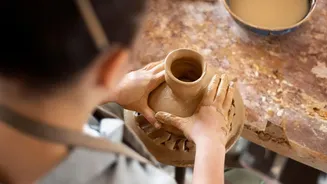
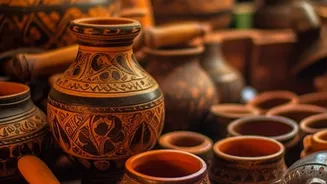
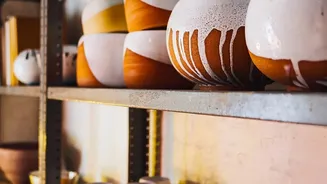
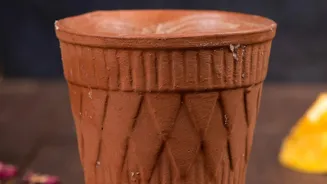
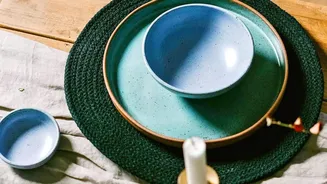
In a world saturated with social media perfection and mass-produced uniformity, Gen Z is seeking decor with a human touch. Unlike identical plastic items that roll off an assembly line, each piece of handmade pottery is unique, bearing the subtle marks
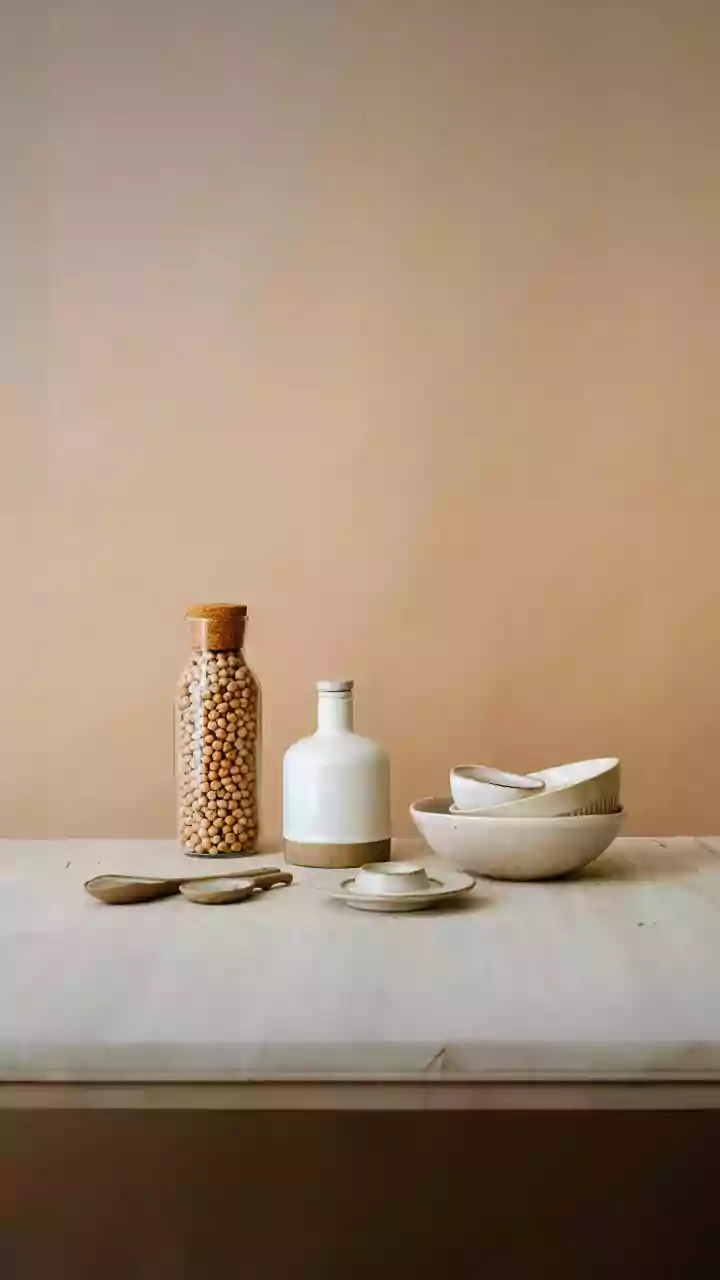
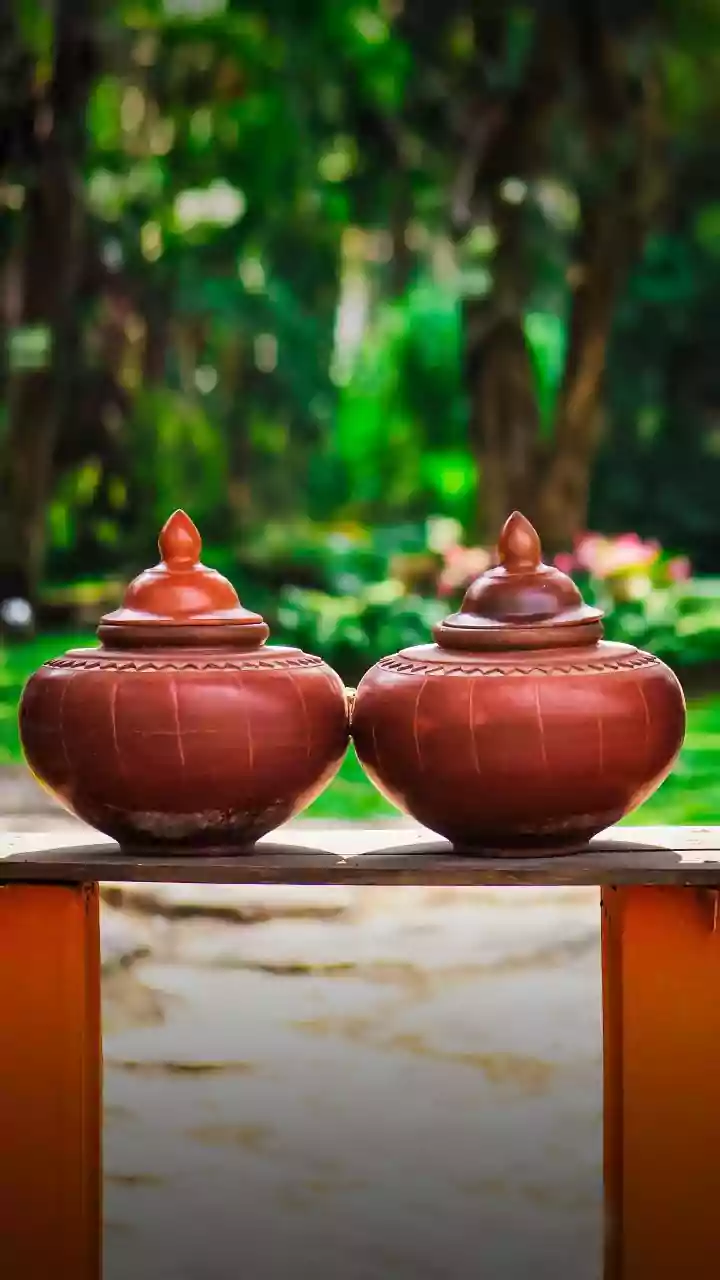
of its creator. These imperfections—a slight asymmetry, a visible fingerprint in the glaze—are not seen as flaws but as signatures of authenticity. This generation has grown up skeptical of polished advertising and gravitates toward brands and products that feel real. Choosing a one-of-a-kind ceramic vase or mug is a way to express individuality and reject the sterile, cookie-cutter look that once dominated interior design. It’s a preference for items with a story, personality, and a tangible connection to a person.
Sustainability as a Standard
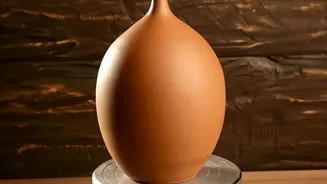
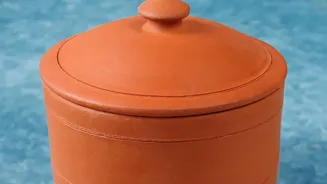
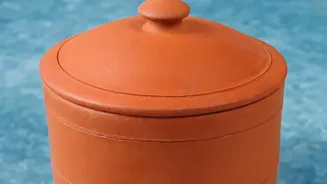
Gen Z is the first generation to grow up with climate change as a defining issue, and their purchasing decisions reflect a deep concern for the environment. Many are willing to pay more for products that are sustainable and ethically sourced. Plastic, derived from fossil fuels, is known for its detrimental environmental impact, clogging landfills and oceans where it can take hundreds of years to decompose. In contrast, ceramics are made from natural, abundant materials like clay. While the firing process requires significant energy, the durability and longevity of pottery make it a more sustainable choice in the long run. A well-made ceramic piece can last for decades, reducing waste and the need for frequent replacements. This aligns with Gen Z's pushback against throwaway culture and fast consumption.
Supporting the Creator Economy
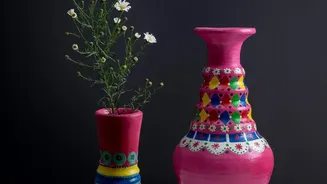
The rise of handcrafted pottery is directly linked to the growth of the creator economy. Social media platforms like TikTok and Instagram have become virtual marketplaces, allowing individual artisans to showcase their work and build a direct relationship with customers. For many Gen Z consumers, buying a piece of pottery is not just a transaction; it's an act of support for a small business or an independent artist. This generation values the ability to connect with the maker behind a product, and many are even interested in learning the craft themselves. This movement empowers creators and provides an alternative to traditional retail, fostering a sense of community and purpose that resonates deeply with young buyers.
The Wellness and 'Slow Living' Connection
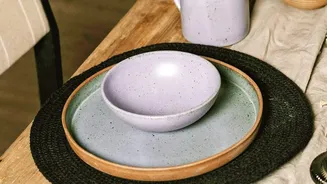
Beyond aesthetics and ethics, the preference for pottery is tied to a broader cultural shift towards wellness, mindfulness, and "slow living." As a response to digital fatigue and a relentlessly fast-paced world, many young people are embracing hobbies and objects that feel grounding and tangible. The earthy textures and organic forms of clay pottery bring a sense of calm and nature into the home. For some, the appeal extends to taking up pottery as a therapeutic hobby, a way to disconnect from screens and create something with their hands. In this context, a simple ceramic bowl is more than just decor; it’s a small act of resistance against digital exhaustion and a reminder to slow down.