


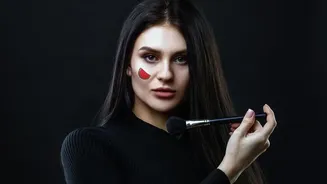
For years, more was more. Contouring, baking, and full-coverage foundation dominated. Now, a softer look is taking over, one that prioritizes glowing skin over layers of product. This is more than a trend; it's a reflection of how we see beauty.
The Rise of 'Skinimalism'
The pendulum
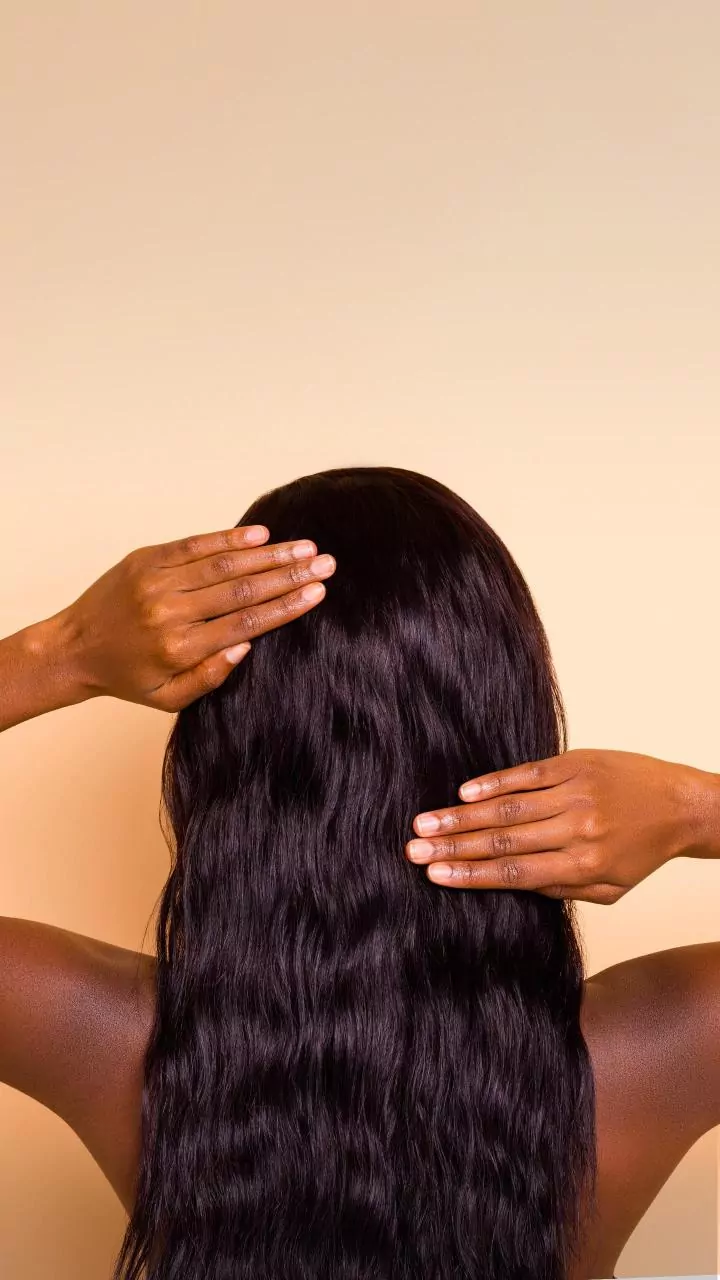
has swung away from the heavy, multi-step routines that once defined beauty tutorials. The current mood is 'skinimalism,' a trend built on using fewer, more effective products to let natural skin shine. It’s a direct response to a feeling of overconsumption, where complex 12-step routines have been replaced by a simplified, mindful approach. This isn't about achieving flawless perfection but embracing real skin texture, freckles and all. The goal has shifted from transforming the face with makeup to enhancing what's already there, focusing on a fresh, breathable finish that looks and feels comfortable.
From Coverage to Care
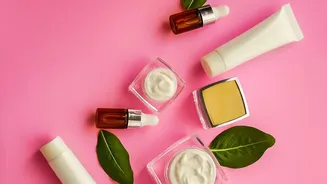
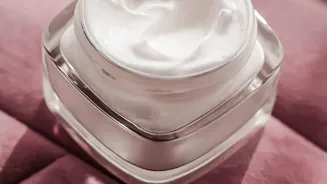
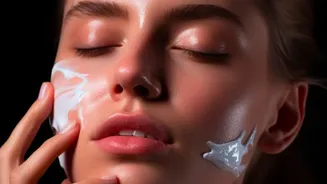
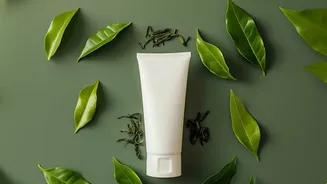
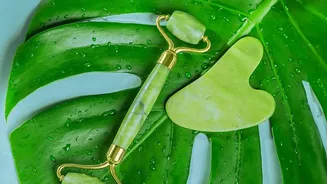
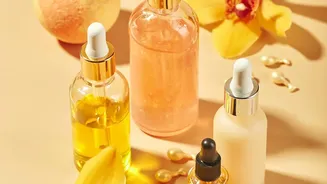
A key driver of this shift is the convergence of beauty and wellness. Consumers are increasingly focused on improving their skin from the inside out rather than just covering it up. This holistic view sees skincare as a form of self-care, a ritual that contributes to both physical and mental well-being. As a result, the market has seen explosive growth in skincare-makeup hybrids—think tinted serums, multi-benefit moisturisers, and hybrid sunscreens—that offer treatment benefits alongside a hint of coverage. The focus is on achieving healthy, hydrated skin that doesn't need to be hidden, turning skincare into the new foundation.
Authenticity as the New Aspiration
Social media, which once fueled the trend for filtered perfection, is now championing a more authentic look. Celebrities and influencers have played a significant role by sharing bare-faced selfies and embracing their natural features, normalizing imperfections for millions of followers. This move toward authenticity is also a business strategy. In a crowded market, consumers are drawn to brands that feel genuine and transparent. They trust personal testimonials and user-generated content far more than polished ad campaigns, and brands that align their messaging with real-world results are building lasting customer loyalty.
A New Definition of Beauty
The move towards minimal makeup reflects a deeper cultural re-evaluation of what beauty means. It challenges the longheld notion that attractiveness is tied to a specific, often unattainable, ideal. Instead, it promotes a more inclusive and individualised form of selfexpression. This doesn't mean an end to makeup, but rather a shift in its purpose. Instead of being a tool for hiding flaws, it becomes a means of subtle enhancement and personal expression. A swipe of cream blush for a healthy flush or a tinted lip balm can be the entire look, with each product chosen intentionally to make the wearer feel good, not just look 'perfect'.