






More Than Just 'Waste'
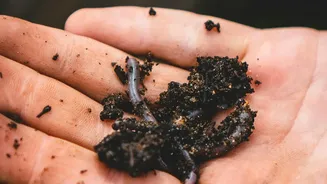
Before you toss those vegetable peels, coffee grounds, and eggshells, consider what they really are: a collection of valuable organic materials. Composting is nature’s recycling process, where microorganisms break down this matter into a rich, dark, earthy-smelling
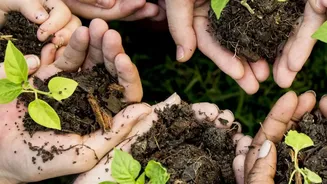
substance. This finished compost is not just soil; it's a super-charged soil amendment teeming with life. When you create a compost pile, you’re essentially managing a tiny ecosystem. Microbes work to decompose the scraps, transforming them into a stable material that improves soil health and feeds plants. This process keeps a significant amount of waste out of landfills, where it would otherwise release methane, a potent greenhouse gas. It's a win for your garden and a win for the planet.
A Nutrient Buffet for Your Plants
The headline's claim of a 'complete' and 'always' perfect nutrient balance is ambitious, as the exact composition of your compost depends on what you put in it. However, its strength lies in its diversity. While synthetic fertilisers often provide a narrow blast of Nitrogen, Phosphorus, and Potassium (NPK), kitchen scrap compost offers a broad spectrum of these macronutrients plus essential micronutrients like calcium, magnesium, iron, and manganese. Think of it less as a rigid prescription and more as a healthy, varied buffet. Fruit and vegetable scraps provide potassium and other nutrients, coffee grounds add nitrogen, and crushed eggshells deliver a slow-release source of calcium. This variety ensures your plants get a more rounded and complex diet, released slowly over time, which supports sustained, healthy growth rather than a sudden, short-lived surge.
Building Better Soil for Balcony Pots
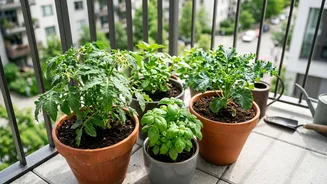
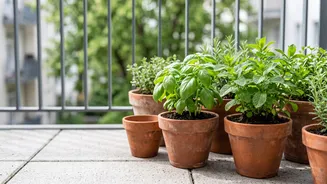
The benefits of compost go far beyond just nutrients. For balcony gardens, which rely entirely on potting mixes in containers, soil structure is critical. Compost is a game-changer here. It acts like a sponge, significantly improving the soil's ability to retain water. This means you'll need to water less often, and your plants will be more resilient during hot, dry spells—a common challenge for pots on a sunny balcony. Furthermore, compost helps improve soil aeration. In heavy, clay-like mixes, it breaks up compacted particles, and in loose, sandy mixes, it helps bind them together. This creates a better environment for roots to grow strong and healthy, allowing them to access water and nutrients more efficiently. This structural improvement is one of the most significant advantages for container gardening.
A Simple Start to Balcony Composting
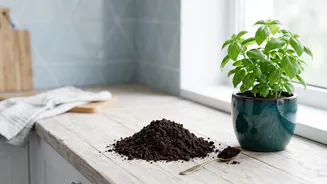
Getting started is easier than you might think, even in a small space like a balcony. All you need is a suitable container, like a bucket or a dedicated composting bin, with holes for aeration. The key is to balance 'greens' and 'browns'. 'Greens' are your nitrogen-rich kitchen scraps: fruit and veggie peels, tea leaves, and coffee grounds. 'Browns' are carbon-rich materials like shredded newspaper, cardboard, or dry leaves. A good rule of thumb is to aim for a mix of roughly one part greens to two parts browns. What should you leave out? Avoid meat, bones, dairy, and oily foods, as these can create odours and attract pests. Every time you add new scraps, give the pile a stir and make sure it stays as moist as a wrung-out sponge. In a few months, you'll have dark, crumbly compost ready for your plants.