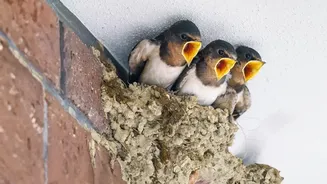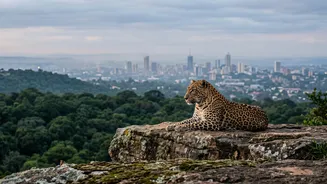





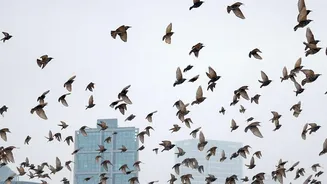
From birds that out-sing traffic to lizards evolving new grips for glass walls, the concrete jungle is forcing rapid changes in the animal kingdom. These are not just stories of survival, but of remarkable adaptation happening right under our noses.
Beyond the Bins: A New Urban Animal
When
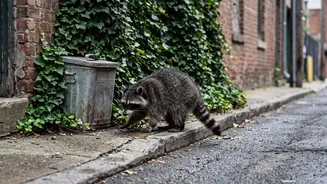
you think of city wildlife, it’s easy to picture pigeons pecking at discarded food or raccoons making a mess of rubbish bins. While this opportunistic scavenging is part of the story, a much deeper transformation is underway. Animals aren't just living in our cities; they are being actively shaped by them. Urban environments present a unique set of pressures: constant noise, artificial light, new food sources, and endless concrete surfaces. In response, many species are undergoing surprisingly fast behavioural and even genetic changes, a phenomenon some scientists call 'human-induced rapid evolutionary change'. This process is creating a new kind of urban-adapted animal, one that is bolder, smarter, and uniquely equipped for the hustle and bustle of human neighbourhoods.
Singing Louder to Be Heard
One of the most pervasive features of any city is noise. The constant rumble of traffic, construction, and human activity creates a challenging soundscape for animals that rely on acoustics to communicate, find mates, or avoid danger. To overcome this, many bird species have altered their songs. Studies have shown that some urban birds sing at a higher pitch or frequency to cut through the low-frequency drone of traffic. Others have changed their schedules, with species like the European robin singing during quieter periods at night. This isn't just a random adjustment; it's a direct adaptation ensuring their calls are heard, which is crucial for defending territory and attracting partners. In essence, they are learning to shout over us to survive.
Survival of the Smartest
Life in the city demands a certain cleverness. Navigating a complex grid of roads, buildings, and dangers requires new skills, and there's growing evidence that urban environments may be selecting for smarter animals. Species that thrive in cities often exhibit superior problem-solving abilities and behavioural flexibility. For example, some bird species that adapt well to urban life tend to have larger brains relative to their body size. This cognitive prowess allows them to learn and remember where to find food, like which bins are collected on which days, and how to access it—as seen with cockatoos in Sydney learning to open trash bins. Boldness is another key trait; animals that are less fearful of humans are more likely to explore and exploit the resources our cities offer.
Living in a 24/7 World
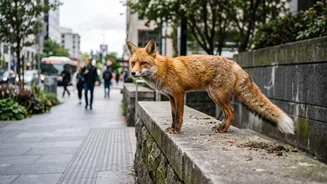
The glow of artificial lights has fundamentally altered the urban night, creating a sort of perpetual twilight. This light pollution disrupts the natural day-night cycles that guide the behaviour of many species. In response, some animals are changing their daily routines. Naturally diurnal (day-active) animals may stay awake longer, while others have become more nocturnal to avoid human traffic. Urban coyotes, for example, are often more active at night to steer clear of people and cars. However, this adaptation has mixed consequences. While some predators like foxes might exploit well-lit areas to hunt more effectively, the constant light can disorient migratory birds and prove fatal for insects drawn irresistibly to lamps.
Evolution in Real-Time
Perhaps the most fascinating aspect of urban adaptation is that it’s not just learned behaviour—it's being written into the DNA of some species. Scientists have found concrete evidence of genetic shifts in urban animal populations. In Puerto Rico, crested anole lizards in cities have evolved longer limbs and stickier toe pads, better suited for climbing smooth surfaces like painted walls and glass compared to their forest-dwelling relatives who grip rough bark. In New York, white-footed mice have shown genetic changes related to digesting fatty human foods and resisting certain toxins found in urban environments. A plant in France, the holy hawksbeard, evolved to produce heavier seeds in urban areas to prevent them from being blown by wind onto infertile concrete patches. These examples show that evolution isn't just a slow process from textbooks; it's happening rapidly all around us, driven by the world we've built.