






Spotting General Photo Tricks
Before diving into specifics, it’s wise to develop a healthy skepticism. Professional hotel photography is an art form dedicated to making spaces look their absolute best. A common technique is using a wide-angle lens, which can make a small room look surprisingly
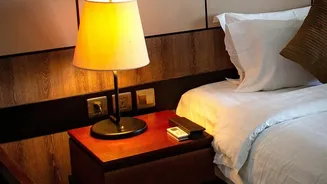
spacious. If the furniture seems to curve at the edges of the photo or the room feels unnaturally vast, it’s likely smaller in person. Another tell-tale sign is what isn’t shown. A gallery that’s missing wide shots of the room and instead focuses on tight close-ups of a lamp or a folded towel might be hiding a cramped or awkward layout. Similarly, heavily edited photos with overly vibrant colours or unnatural brightness can mask a room that is actually dated or dark.
Decoding Room Categories
Hotels often showcase their most impressive (and expensive) suites in the main photo gallery, even when you’re searching for a standard room. Your first task is to ensure the photos you are looking at match the room category you intend to book. Booking sites should allow you to filter photos by room type. If they don’t, be wary. If all room types seem to share the same set of glamorous photos, it’s a red flag. The goal is to see the exact room type you are paying for. Pay close attention to details. Does the photo show a king bed when the description for a standard room lists a queen? Is there a sprawling seating area in the photo that isn’t mentioned in the basic room amenities? Cross-reference every visual with the written description to ensure they align.
Investigating Windows and Views
The view from your window can make or break a stay, but marketing terms can be notoriously vague. Phrases like "partial sea view" or "city glimpse" often mean you’ll be craning your neck to see a sliver of scenery. If the view is a priority, scrutinize the photos. If the gallery lacks a clear shot taken from inside the room looking out, the view might be of a brick wall or a noisy street. Be aware that some hotels may even digitally insert a more appealing view into the window. The most reliable strategy is to seek out user-submitted photos on review sites or Google Maps. These unpolished snapshots provide a much more honest depiction of what you will actually see when you draw back the curtains. Also, use Google Maps’ Street View to check the hotel’s immediate surroundings for things like construction sites or busy highways that the official photos conveniently omit.
Examining the Bathroom
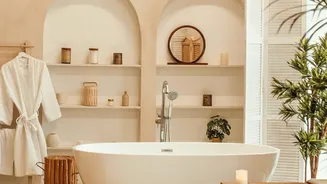
The bathroom is one of the most important aspects of a hotel room, and it’s also where many properties fall short. Consequently, a hotel’s photo gallery can be very revealing. If there are no photos of the bathroom for your chosen room category, assume it’s small, dated, or in need of renovation. A confident hotel will show you everything. When you do see bathroom photos, look closely. Are the fixtures modern or old? Is there ample counter space? Is it a spacious shower or a cramped tub-shower combo? Academic studies have even noted that bathrooms are one of the most frequent subjects of guest complaints, often proven with guest-submitted photos. Also, check the quality of the little things. White, fluffy-looking towels and bright, clean-looking grout are good signs. Old, patterned towels or visible wear and tear are not. The state of the bathroom is often a reliable indicator of the hotel’s overall standards of cleanliness and maintenance.