



What Is Core Stabilisation, Really?
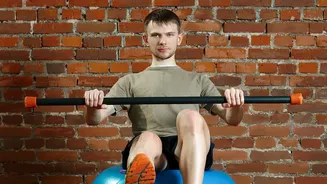
Before we can compare, let’s clear up a common misunderstanding. Core strength isn't just about having visible 'six-pack' abs. True core stabilisation comes from a deep, intricate network of muscles that act like a natural corset for your torso. This
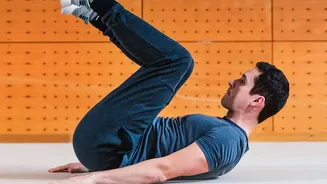
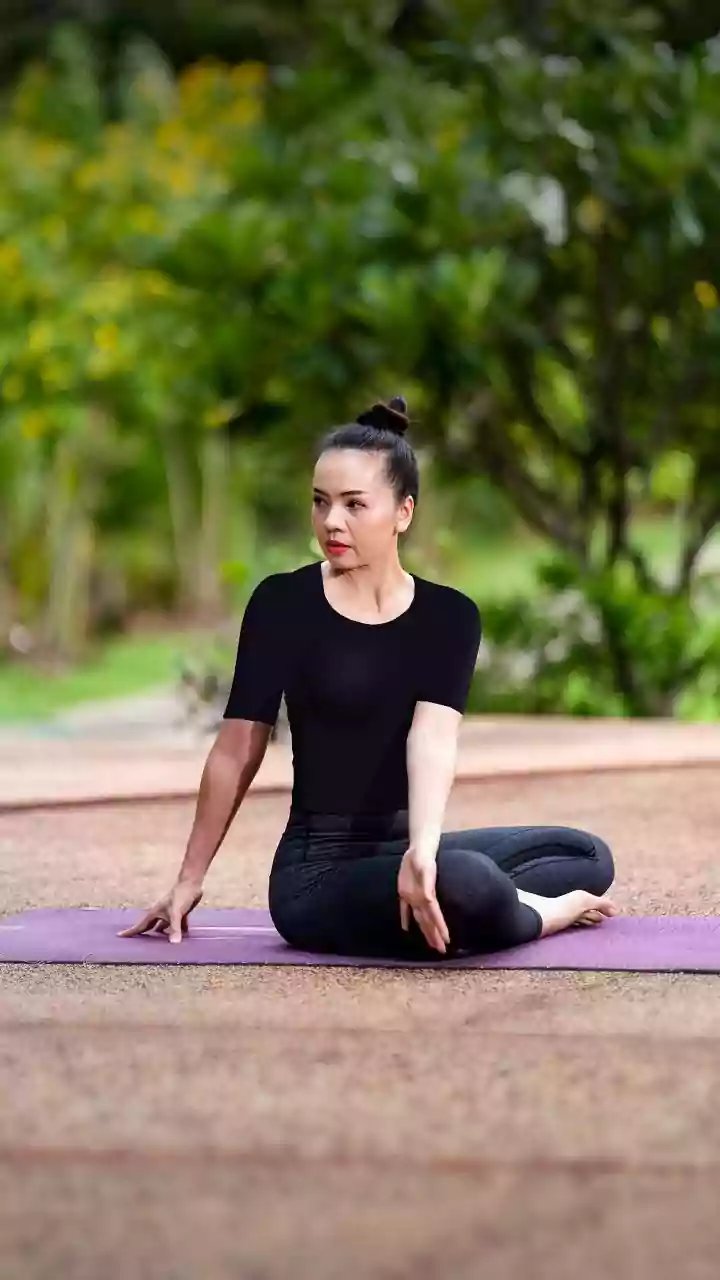
'inner core' includes the transverse abdominis (the deepest abdominal muscle), the multifidus (small muscles along the spine), the pelvic floor, and even the diaphragm you use to breathe. Their job isn't to create big movements, but to prevent unwanted ones. They fire up to hold your spine and pelvis in a secure, neutral position, creating a solid platform from which your arms and legs can move powerfully and safely. Think of it as the unwavering foundation of a building; without it, the entire structure is weak.
The Dynamic Stability of Skating
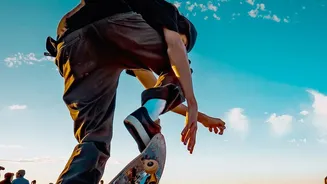
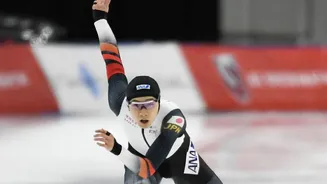
Skating, whether on ice or wheels, is a masterclass in reactive core stabilisation. The simple act of balancing on a narrow blade or a line of wheels creates a constantly unstable environment. Your body's immediate, instinctual response is to engage the core to prevent a fall. Every push, glide, and turn forces your deep stabilising muscles to work overtime. As you propel yourself forward, your core locks your torso in place, allowing your legs to generate power efficiently. When you lean into a curve, your obliques and lower back muscles fire to keep you upright. This isn't something you have to consciously think about; your body just does it. Skating trains your core to react instantly to external forces, building strength and coordination that translates directly into better balance and agility in all aspects of life.
The Controlled Grace of Tai Chi
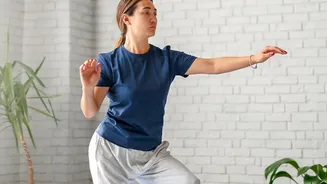
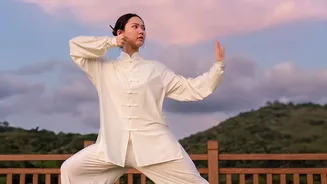
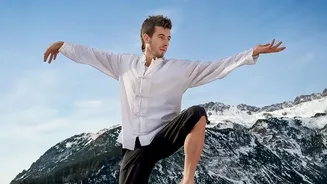
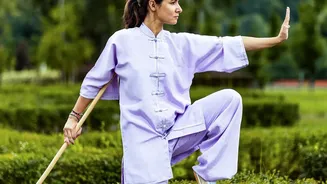
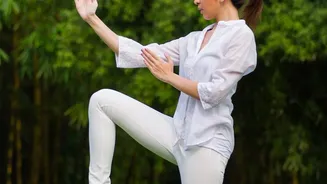
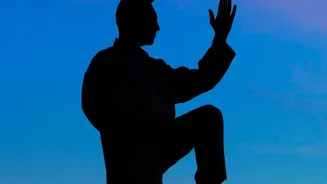
If skating is about reacting to instability, Tai Chi is about proactively creating stability. This ancient practice, often called 'meditation in motion', focuses on slow, deliberate, and flowing movements. Each posture and transition is performed with immense control, requiring a deeply engaged core from start to finish. As you slowly shift your weight from one foot to another, your core muscles—from your abdomen to your back and hips—work in harmony to maintain your center of gravity. The emphasis on upright posture and coordinated breathing enhances this effect, teaching a profound mind-body connection. Unlike the reactive demands of skating, Tai Chi builds core stabilisation through sustained, controlled holds and transitions, improving muscle endurance, flexibility, and proprioception—your body's sense of its position in space.
Two Rhythms, One Powerful Outcome
So, which is better? The truth is, neither. Skating and Tai Chi are simply two different paths leading to the same destination: a strong, functional, and stable core. Your choice depends entirely on your personality and fitness goals. If you thrive on adrenaline, speed, and a high-energy cardiovascular workout, skating is an excellent choice. It builds a core that can respond powerfully to sudden, unpredictable movements. If you prefer a mindful, low-impact practice that reduces stress while building internal strength and balance, Tai Chi is unparalleled. It cultivates a core that is controlled, deliberate, and deeply connected to your breath and movement. One is a dance with instability, the other a meditation on stability. Both teach your body the invaluable lesson of how to support itself from its very centre.