

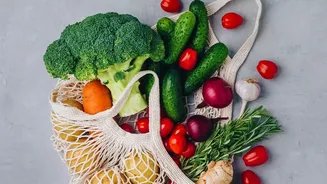
Unpack and Assess Immediately
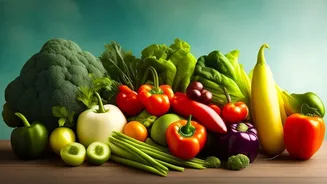
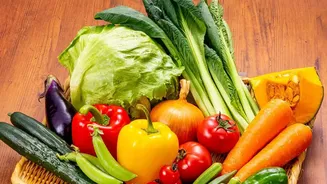
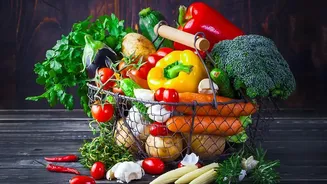
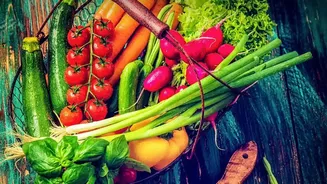
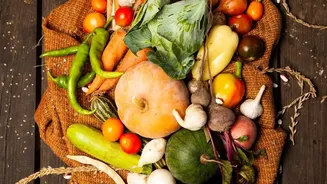
The moment your produce box arrives is the most critical. Instead of just transferring everything into the refrigerator, take ten minutes for an initial assessment. Unpack everything on your counter to see what you have. This quick 'triage' is the foundation
of your weekly food plan. Group items together: leafy greens in one pile, root vegetables in another, and fruits in a third. This visual inventory prevents delicate items from being forgotten at the bottom of a crisper drawer. It's a shift in mindset from just storing food to actively planning its use from the very beginning. During this step, you can also quickly deal with vegetables that have tops, like carrots or beets. Cut the greens off the roots, as the leaves will continue to draw moisture, causing the root to become limp. The greens can be stored and used separately.
Identify Your Delicate Vegetables
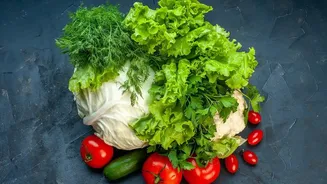
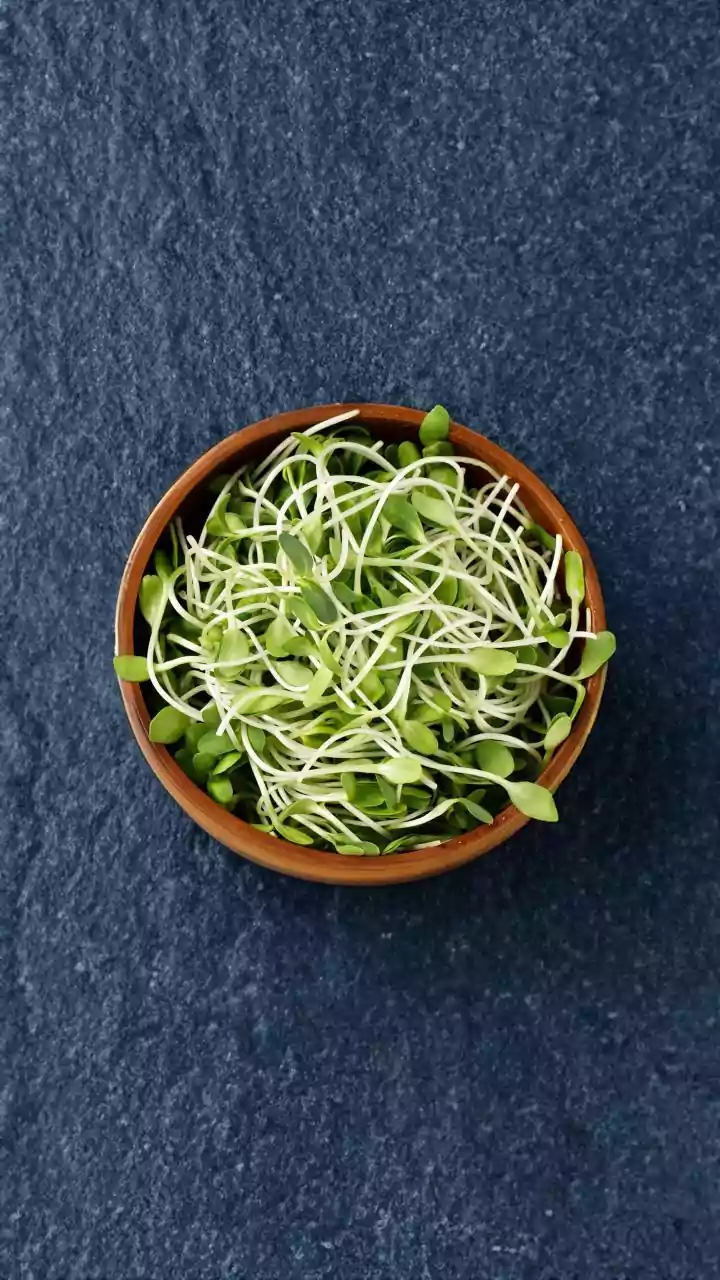
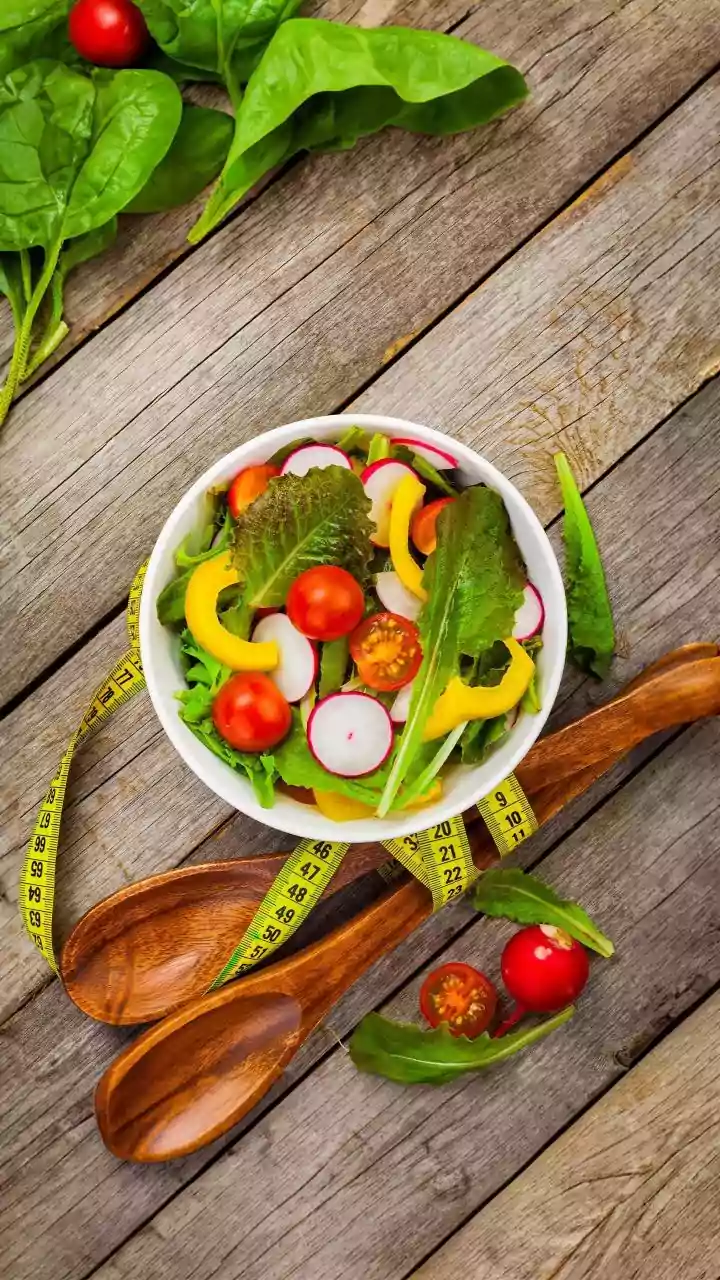
The first items on your 'use-first' list should always be the most delicate ones. These are typically vegetables with a high water content that tend to wilt, bruise, or spoil quickly. Think of items like spinach, arugula, lettuce, fresh herbs like coriander and basil, asparagus, and mushrooms. These vegetables have a short shelf life and should be scheduled into your meals for the first one to three days after you receive your box. Plan for a large salad on day one, a stir-fry with bok choy or spinach on day two, or a frittata packed with greens. By front-loading your week with these perishable items, you ensure they are eaten at their peak freshness and nutritional value, clearing the way for the hardier produce later in the week.
The 'Open Pack' Rule
Related to delicate items is the 'open pack' rule. Anything that has been partially used becomes a top priority. Once you open a bag of spinach, break into a head of lettuce, or use half a cucumber, its shelf life decreases. The exposure to air accelerates wilting and spoilage. Make a habit of placing any opened packs or partially used vegetables in a designated, visible spot in your fridge. This visual cue reminds you to use them up before reaching for a whole, untouched item. This simple practice is crucial for minimizing small amounts of waste that can add up over time. It's better to finish the half-eaten bell pepper from yesterday than to slice into a new one.
Smart Storage Is Half the Battle
How you store your produce is just as important as when you use it. For delicate leafy greens, the goal is to manage moisture. Storing them in a sealed bag or container with a paper towel can absorb excess condensation and prevent them from becoming slimy. For soft herbs like parsley and coriander, trim the stems and place them in a jar with a little water, like a bouquet of flowers. Hardier vegetables also benefit from proper storage. Keep potatoes, onions, and garlic in a cool, dark, and dry place away from the fridge. It's also important to separate produce that releases ethylene gas (a ripening agent), such as apples, avocados, and tomatoes, from ethylene-sensitive items like lettuce and leafy greens, which will spoil faster when stored together.
Build a Flexible Meal Plan
With your 'use-first' items identified, sketch out a simple meal plan for the next few days. This doesn't need to be a rigid, hour-by-hour schedule. Simply jot down a few ideas. For instance: Day 1: Big salad with fresh lettuce and herbs. Day 2: Pasta with sautéed mushrooms and spinach. Day 3: Frittata using leftover greens and asparagus. This approach creates a bridge between your fresh produce and your dinner plate. Knowing what you'll make with your most delicate items removes the guesswork from weeknight cooking and ensures they don't go to waste. For items you know you won't get to in time, consider easy preservation methods like blanching and freezing.
Rely on Your Hardy Heroes
Once you have a plan for your delicate produce, you can relax. The rest of your box is likely filled with 'hardy heroes'—vegetables that are much more forgiving. These include potatoes, carrots, beets, cabbage, onions, and winter squash. These items are the backbone of your later-week meals. They are flexible, last longer, and give you breathing room in your cooking schedule. You can roast them, add them to soups, or grate them into slaws whenever you're ready. Thinking of your produce in these two distinct categories—delicate and hardy—transforms an overwhelming box into a manageable, two-stage resource, making your kitchen more efficient and your food waste virtually non-existent.