




NASA’s Plan: A Permanent Moon Base
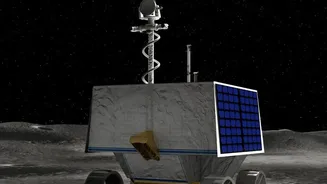
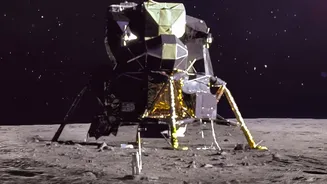
Forget the short, dusty visits of the Apollo era. NASA’s Artemis program is about creating a sustained human presence on the Moon. The centerpiece of this vision is the Artemis Base Camp, a permanent outpost planned for the Moon's South Pole. This region
is strategically vital because its permanently shadowed craters are believed to hold vast quantities of water ice, a resource that could be converted into drinking water, breathable air, and even rocket fuel. The plan is ambitious, unfolding in phases over the next decade. It will begin with a series of robotic missions to map the terrain and test technologies, followed by the deployment of power systems, rovers, and finally, habitats where astronauts can live and work for extended periods. This isn't just a science project; it's the first step toward building a true lunar economy and preparing for eventual human missions to Mars.
Enter ISRO: The Cost-Effective Innovator
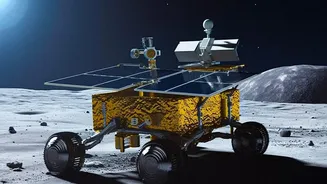
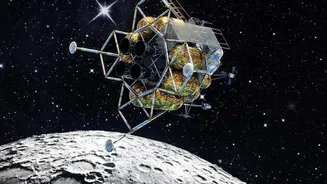
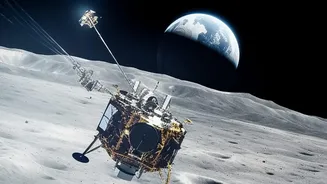
So, why invite India to the party? The Indian Space Research Organisation (ISRO) has rapidly become one of the world's most capable and innovative space agencies. In 2023, India made history when its Chandrayaan-3 mission successfully landed near the lunar South Pole—the very region NASA is targeting—making it the first nation to do so. This achievement wasn't just a technical triumph; it was a demonstration of ISRO's signature approach: frugal engineering. The agency is renowned for executing complex deep-space missions at a fraction of the cost of its global counterparts. This blend of high-tech capability and cost-effective execution makes ISRO an incredibly attractive partner for a project as complex and expensive as building a Moon base. By bringing India into the fold, NASA gains a proven partner with direct, relevant experience in the exact lunar neighborhood it wants to develop.
What the Partnership Actually Means
The invitation was extended during the recent U.S.-India Civil Space Joint Working Group meeting in Bengaluru. This move builds upon India's 2023 decision to sign the Artemis Accords, a U.S.-led set of principles for peaceful and transparent lunar exploration. While signing the accords was a statement of intent, this invitation makes India an active participant in building the future on the Moon, much like the European Space Agency (ESA) and Japan. While the exact details are still being discussed, ISRO's contributions could range from providing scientific instruments and robotics to developing communications or navigation technologies. This deepens a collaboration that already includes projects like the NISAR Earth-observation satellite, which launched in 2025. For India, it’s an opportunity to fast-track its own human spaceflight ambitions, gain access to advanced technologies, and play a direct role in shaping humanity's next chapter.
The New Geopolitics of the Moon
This partnership is about more than just science and technology; it’s a major geopolitical development. The race to the Moon today is increasingly seen through the lens of competing international coalitions. The U.S. is building a broad alliance through the Artemis Accords, which now has dozens of signatory nations committed to shared principles of peaceful exploration. In parallel, China and Russia are developing their own collaborative project, the International Lunar Research Station (ILRS). By bringing a major, independent space power like India firmly into the Artemis framework, the United States is significantly strengthening its coalition. It’s a strategic move that reinforces a democratic, transparent approach to space governance and creates a powerful counterweight to the China-Russia axis. This collaboration turns the Moon into a new frontier for international diplomacy, where alliances on Earth are mirrored in the sky.