






More Than Just a Bad Smell
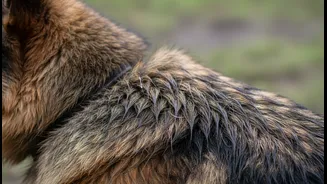
When your dog's fur remains damp for extended periods, it creates the perfect breeding ground for bacteria and fungi. High humidity and trapped moisture soften the skin, weakening its natural protective barrier. This can lead to a range of painful conditions,
most notably 'hot spots' or acute moist dermatitis. These are red, inflamed, and often weeping patches of skin where bacteria multiply rapidly, causing intense discomfort and itching for your pet. Fungal infections like yeast and ringworm also thrive in these warm, moist environments created by a wet undercoat. These can cause everything from itchy, scaly patches to significant hair loss if left untreated.
The Hidden Dangers of Matted Fur
Rain and moisture are primary culprits behind matted fur. What starts as a few tangles can quickly become a tight, painful mass when wet hair isn't brushed out. These mats do more than just look untidy; they pull constantly on your dog's skin, which can cause bruising, sores, and even restrict blood flow. Even worse, matted fur acts like a dense sponge, trapping moisture, dirt, and parasites like fleas and ticks directly against the skin. This creates a hidden, unhealthy environment where painful infections can develop without an owner even noticing. In severe cases, mats can become so tight they hinder a dog's movement or require a full shave-down at the vet, which can be a stressful experience.
A Focus on Paws and Ears
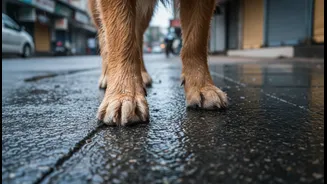
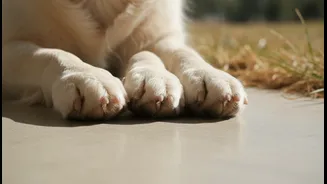
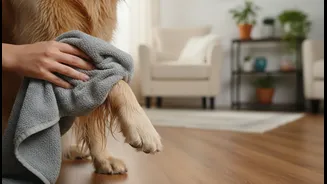
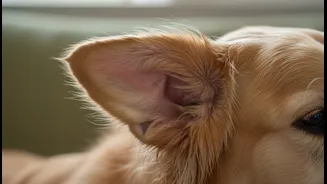
A dog's paws and ears are particularly vulnerable during the rainy season. Paws are in constant contact with wet, muddy ground, and stagnant puddles can harbour dangerous bacteria like Leptospira, which causes the serious disease leptospirosis. The warm, dark crevices between a dog's toes are an ideal spot for fungal and bacterial infections to take hold. It's crucial to wipe and thoroughly dry paws after every walk, paying special attention to the areas between the paw pads. Similarly, moisture in the ear canal from rain or high humidity creates a perfect storm for painful ear infections, especially in floppy-eared breeds. Regular, gentle ear cleaning can help prevent the buildup of yeast and bacteria that thrive in damp conditions.
Your Monsoon Grooming Toolkit
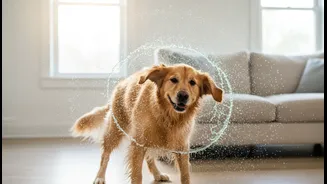
Shifting your grooming routine from an occasional task to a daily habit is the key to prevention. First and foremost, thoroughly dry your dog after every single walk. Use a highly absorbent microfibre towel, focusing on the underbelly, legs, and paws. For dogs with thick or long coats, a pet-safe blow dryer on a low, cool setting is essential to ensure the undercoat is completely dry. Daily brushing is non-negotiable. This helps remove loose hair, prevents mats from forming, and allows air to circulate through the coat. Regular paw cleaning and ear wiping are also crucial components of a monsoon care regimen. For some long-haired breeds, a shorter 'monsoon cut' can make daily maintenance significantly easier.