







The Feathered Harbinger of Rain
Long before the weather apps, folklore pointed to the Jacobin Cuckoo, or Pied Cuckoo, as the true herald of the monsoon. This striking black-and-white bird, known as the *Chatak* in India, is a brood parasite that migrates from Africa to the subcontinent
just ahead of the rains. Its arrival is so closely tied to the season that spotting one is considered a definitive sign that the downpours are imminent. During this time, they are more vocal and visible as they search for nests of other birds, like babblers, to lay their eggs in. Their distinctive, piping calls become a familiar sound in the woodlands and even in leafy urban gardens.
The Jewel of the Forest Floor
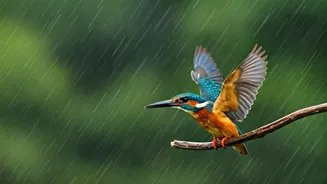
The Indian Pitta is a bird that lives up to its name, *Navrang*, which means 'nine colours'. This shy, ground-dwelling bird is a burst of emerald green, blue, black, white, and fiery orange. For most of the year, it forages quietly in the dense undergrowth, making it incredibly difficult to spot. But with the arrival of the monsoon, its behaviour changes dramatically. The breeding season kicks in, and the Pitta becomes boldly vocal, with a loud, clear two-note whistle that echoes through the forest at dawn and dusk. This is the best time for birdwatchers to catch a glimpse of this stunning jewel as it hops about in search of insects.
The Amphibian Awakening
The monsoon is the season of love for India's amphibians. Many species spend the dry months in a state of aestivation—a type of dormancy—buried deep in the soil. The first rains are their alarm clock. Suddenly, the night air is filled with a cacophony of croaks and calls as frogs emerge to breed. This is when you might see remarkable species like the Malabar Gliding Frog in the Western Ghats, which uses its webbed feet to glide between trees. In the same region, the bizarre and elusive Purple Frog, with its pig-like snout, emerges from its subterranean life for just a few days to mate in monsoon-fed streams.
Reptiles on the Move
While the thought of more snakes might make some uneasy, the monsoon is a prime time for observing reptiles. The increased rainfall floods burrows and dens, forcing snakes and other creatures to seek higher, drier ground. Furthermore, the abundance of their primary food source—frogs and rodents—makes them more active. This is why sightings of species like the non-venomous Common Bronzeback Tree Snake or the beautifully camouflaged Green Vine Snake increase. While they are fascinating to watch from a safe distance, it’s a good reminder to be cautious when walking through grassy or waterlogged areas during this season.
A Symphony of Insects
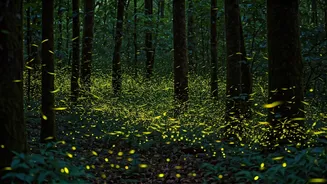
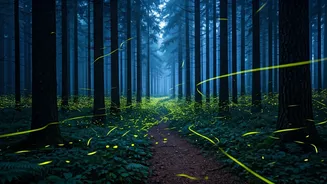
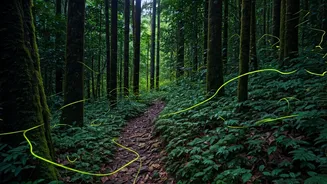
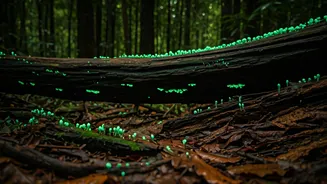
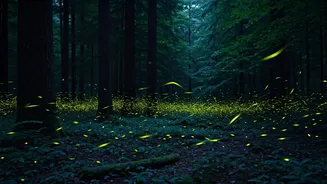
The monsoon triggers a population explosion among insects, which in turn feeds the entire ecosystem. The most enchanting of these are fireflies. On humid, dark nights, entire patches of forest and countryside can light up with the synchronised blinking of thousands of these beetles, creating a breathtaking natural light show. It's their mating ritual, and the humid, still air of the pre-monsoon and early monsoon provides the perfect conditions. Similarly, many species of large, spectacular moths, like the Atlas Moth—one of the largest in the world—emerge during this period, drawn to lights after a heavy shower.