

Less Work, More Beauty
The single biggest advantage of choosing native plants is their low-maintenance nature. These plants have spent thousands of years adapting to your local climate, soil, and rainfall patterns. This means they are naturally equipped to handle the environment
without constant intervention. Forget the endless cycle of watering, fertilizing, and worrying. Once established, native species require significantly less water than exotic varieties, making them both wallet-friendly and eco-conscious. They are also naturally resistant to local pests and diseases, which reduces or even eliminates the need for chemical pesticides. Think of plants like Tulsi, which not only thrives with minimal care but also has pest-repellent properties. For the busy urbanite, this translates to less time spent on garden chores and more time enjoying the greenery.
A Balcony That Thrives
City balconies can be harsh environments for plants, with scorching sun, strong winds, and the reflected heat of concrete. Many popular but non-native decorative plants struggle in these conditions. Native plants, however, are built to last. Species that have evolved to withstand Indian summers are inherently more drought-tolerant and resilient. Plants like Aloe Vera, Bougainvillea, and Jamun are not just beautiful but are also perfectly suited to container life on a hot, sunny balcony. Their deep root systems, developed to seek out water in their natural habitats, also help them thrive in pots, improving soil structure and water retention. By choosing plants already programmed for the local climate, you set your garden up for success from day one.
Invite Nature to Your Doorstep
A balcony with native plants becomes more than just a decorative space; it transforms into a mini-ecosystem. These plants provide vital food and shelter for local wildlife. By planting native flowering species like Hibiscus, Marigold, or Indian Laburnum, you can create a welcoming spot for bees, butterflies, and small birds. These pollinators are crucial for a healthy environment, and studies have shown they are significantly more attracted to native flora. Watching a butterfly visit your Aparajita (Butterfly Pea) vine or hearing the buzz of bees around a Palash flower connects you to the natural world in a profound and immediate way, right in the middle of the city. You aren't just growing plants; you are helping restore a small piece of a natural habitat.
Your Personal Slice of India
Gardening with native plants is also an act of cultural and ecological preservation. Species like the Peepal, Neem, and Ashoka are deeply intertwined with Indian heritage and spirituality. While you might not plant a large tree on your balcony, you can choose smaller native shrubs, herbs, and flowers that carry the same essence. Growing plants like Brahmi or various local jasmines connects your modern urban life to the timeless landscapes of the region. It’s a way to celebrate and preserve biodiversity, ensuring that the plants that define our natural heritage continue to have a place in our communities. By choosing native species, you are curating a garden that is uniquely and authentically Indian.
Getting Started Is Easy
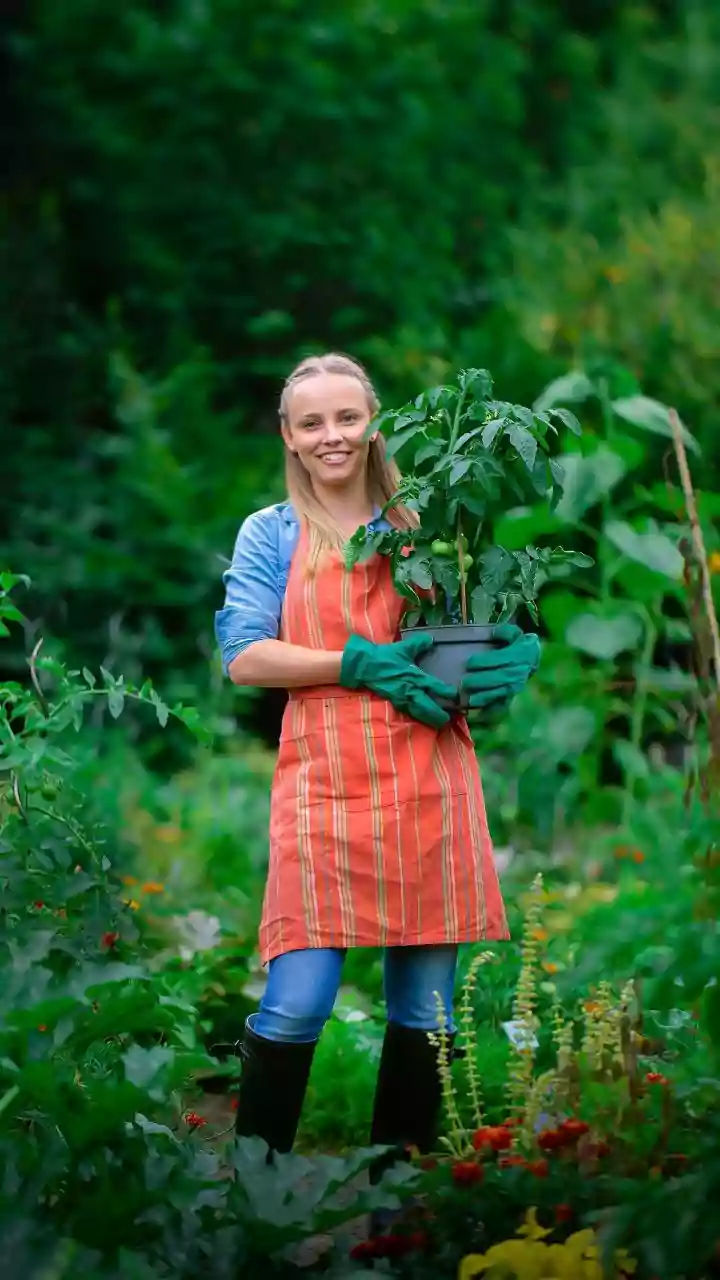
The thought of finding native plants might seem daunting, but it's getting easier. Start by asking at your local nursery for plants that are native to your region. Many are now recognizing the demand and stocking species beyond the usual exotic options. Specialized nurseries focusing on native plants are also emerging in cities like Nashik and online platforms are making them more accessible across the country. When starting, look for hardy and popular choices like Holy Basil (Tulsi), Curry Leaf (Kadi Patta), various jasmines (Mogra), Hibiscus, and Marigold. Use terracotta pots to help keep the roots cool during hot summers. Don't be afraid to start small with just one or two pots. The joy of watching something so perfectly suited to its home thrive with so little effort is the ultimate reward for any busy plant lover.