




A Trail of Cosmic Dust
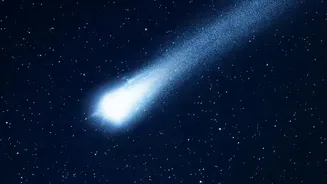
The Orionid meteor shower is one of the most reliable and beautiful of the year. These shooting stars are not stars at all, but tiny pieces of cosmic dust and debris left behind by one of the most famous celestial visitors: Halley's Comet. This well-known
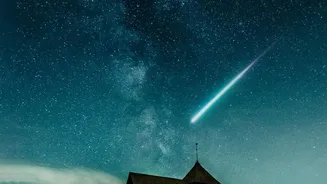
comet takes about 76 years to orbit the Sun, leaving a trail of particles in its wake. Twice a year, Earth’s orbit intersects with this debris stream. The particles that burn up in our atmosphere in October create the Orionids, while a similar encounter in May produces the Eta Aquarid meteor shower. The Orionids are renowned for their speed, entering the atmosphere at roughly 66 kilometres per second. This incredible velocity means they can be exceptionally bright and often leave glowing trails, or 'trains', that can linger for a few seconds after the meteor has vanished.
The Peak and The Problem in 2026
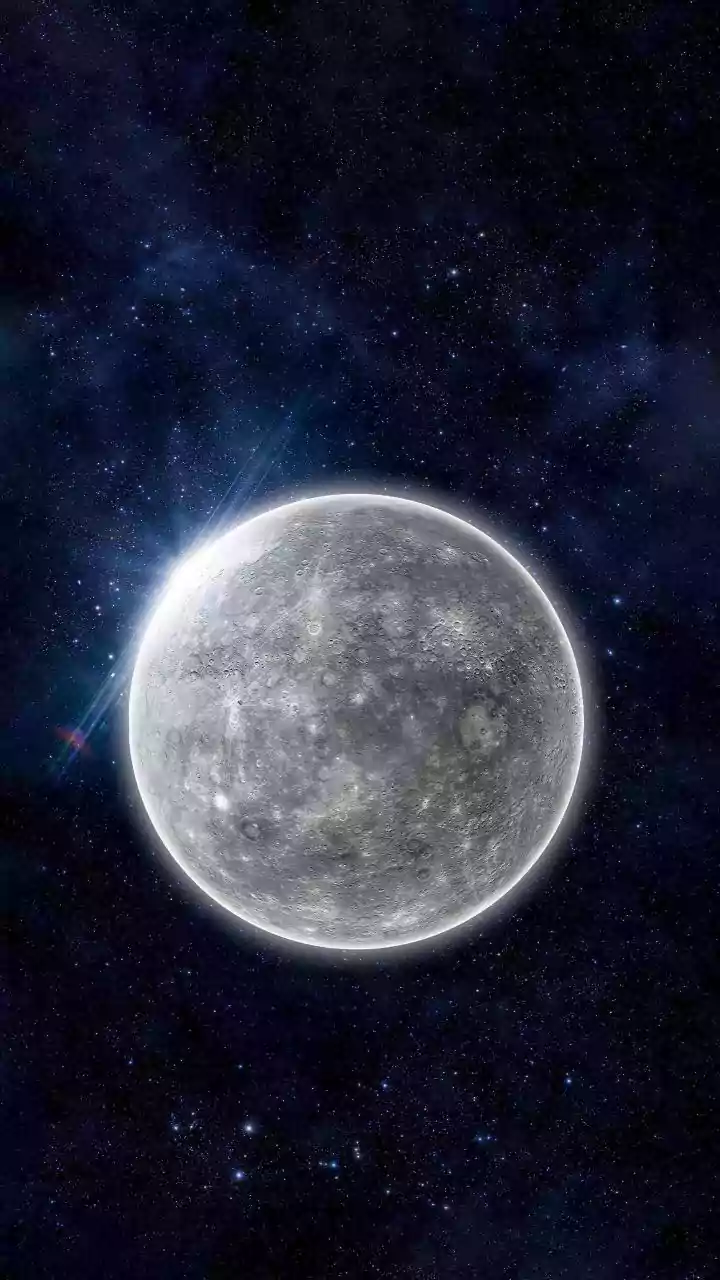
For 2026, the Orionid meteor shower is active from early October to early November, but the best time to watch is during its peak. This year, the peak occurs on the night of October 21st and into the early morning hours of October 22nd. Under ideal conditions—a dark, moonless sky far from city lights—an observer might see between 15 and 25 meteors per hour.However, 2026 presents a significant challenge. On the peak night, the sky will be illuminated by a bright waxing gibbous Moon, which will be over 80% full. A Full Moon is due just a few days later on October 26th. This intense moonlight acts like natural light pollution, washing out the sky and making it impossible to see the fainter meteors. Only the brightest fireballs will be able to punch through the lunar glare, dramatically reducing the number of visible shooting stars.
A Window of Opportunity
While the Moon will dominate the sky for much of the evening, there is a crucial window for dedicated sky-watchers. The key is to wait out the Moon. On the peak night of October 21-22, the Moon will set in the early hours of the morning, around 3 a.m. for many locations. This opens up a period of true darkness before the first light of dawn begins to brighten the sky. This pre-dawn window, between moonset and sunrise, will be the absolute best time to view the Orionids in 2026. During these hours, the shower's radiant point in the constellation Orion will also be high in the sky, further increasing the chances of spotting meteors that will appear to streak across the entire celestial canvas.
How to Maximize Your Chances
To make the most of this year's tricky viewing conditions, a little planning goes a long way. First, get as far away from city lights as possible. A rural location with a clear, open view of the sky is essential. Second, give your eyes time to adapt to the darkness—at least 20 to 30 minutes without looking at your phone or other bright lights.Comfort is key, as you'll be outside in the cool autumn night. Bring a reclining chair or a blanket so you can lie back and look straight up without straining your neck. Dress in warm layers. You don't need a telescope or binoculars; your naked eyes are the best tool for scanning wide sections of the sky. While you wait for the Moon to set, you can try to position yourself in the shadow of a building or a line of trees to block the direct glare. This can help you spot a few bright meteors even before the prime viewing window opens.