






The Magic of a Monsoon Makeover
For years, the peak season for Rajasthan has been the cool, dry winter. But a noticeable shift is underway, with travellers discovering the state's unique charm during the monsoon months of July through September. After the intense summer heat, the rains
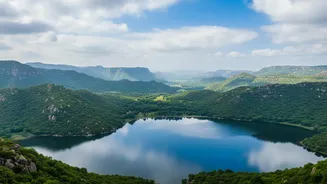
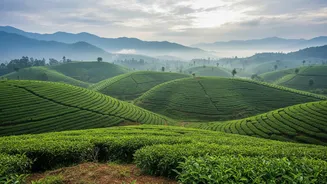
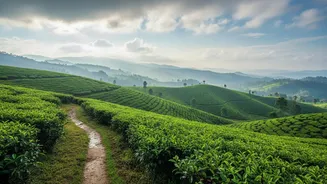
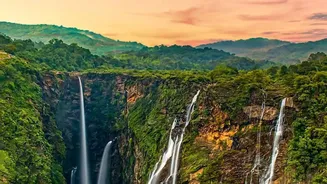
wash over the arid landscape, transforming the Aravalli hills into a lush, emerald paradise. Lakes and ancient stepwells, or 'baoris', fill to the brim, and the air quality improves dramatically, offering crisp, clear views. This 'green tourism' surge is buoyed by cooler temperatures, fewer crowds at major monuments, and attractive off-season hotel rates, making it an entirely different and more intimate experience.
Where to Witness the Green Transformation
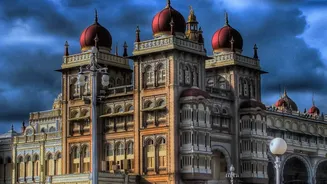
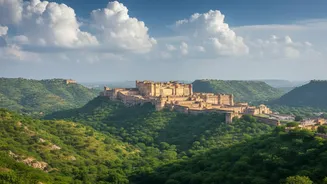
Not all of Rajasthan turns green. The western desert areas like Jaisalmer and Bikaner receive minimal rainfall and remain largely arid, though cooler. The real magic unfolds in the Aravalli belt and the southern and eastern parts of the state. Udaipur, the 'City of Lakes', is a prime destination, with its water bodies swelling and palaces like Sajjangarh (the Monsoon Palace) offering breathtaking views of the cloud-covered city. Mount Abu, the state's only hill station, becomes a misty, green retreat with gushing waterfalls. For a unique experience, consider Bundi, a town celebrated for its more than 50 stepwells that come alive during the rains, or the majestic Kumbhalgarh Fort, whose 36-kilometre wall snakes through a now-verdant wildlife sanctuary.
The Pros and Cons of a Rainy Season Trip
Traveling during the monsoon offers significant advantages. Besides the stunning green landscapes, you'll benefit from lower prices, with some heritage properties offering discounts of 30 to 50 percent. Fewer tourists mean you can explore iconic forts like Mehrangarh in Jodhpur or Amber in Jaipur at a leisurely pace without the usual crowds. However, there are trade-offs. Humidity is higher, and mosquitoes are more active. While major highways are generally safe, heavy downpours can occasionally cause localized flooding or block rural roads, so a flexible itinerary is advisable. Some wildlife sanctuaries, like Ranthambore, may have core zones closed during the peak monsoon months, so it's essential to check ahead.
Essential Planning and Packing Tips
Given the current travel surge, booking accommodations and transport in advance, especially for weekend trips, is more important than ever. When packing, think light, breathable fabrics. Include a lightweight raincoat or umbrella for sudden showers. Sturdy, waterproof footwear with good grip is a must for navigating wet fort steps and cobblestone streets. Always carry insect repellent, particularly for evenings and visits to forested areas. It's also wise to keep an eye on weather forecasts and remain flexible with your daily plans, as a brief, intense shower might require a spontaneous change of schedule. Driving should be done with caution, especially on hilly roads, and it is best to avoid driving on roads at night.