



Saturn At Its Brightest
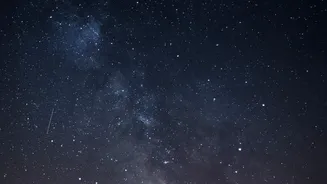
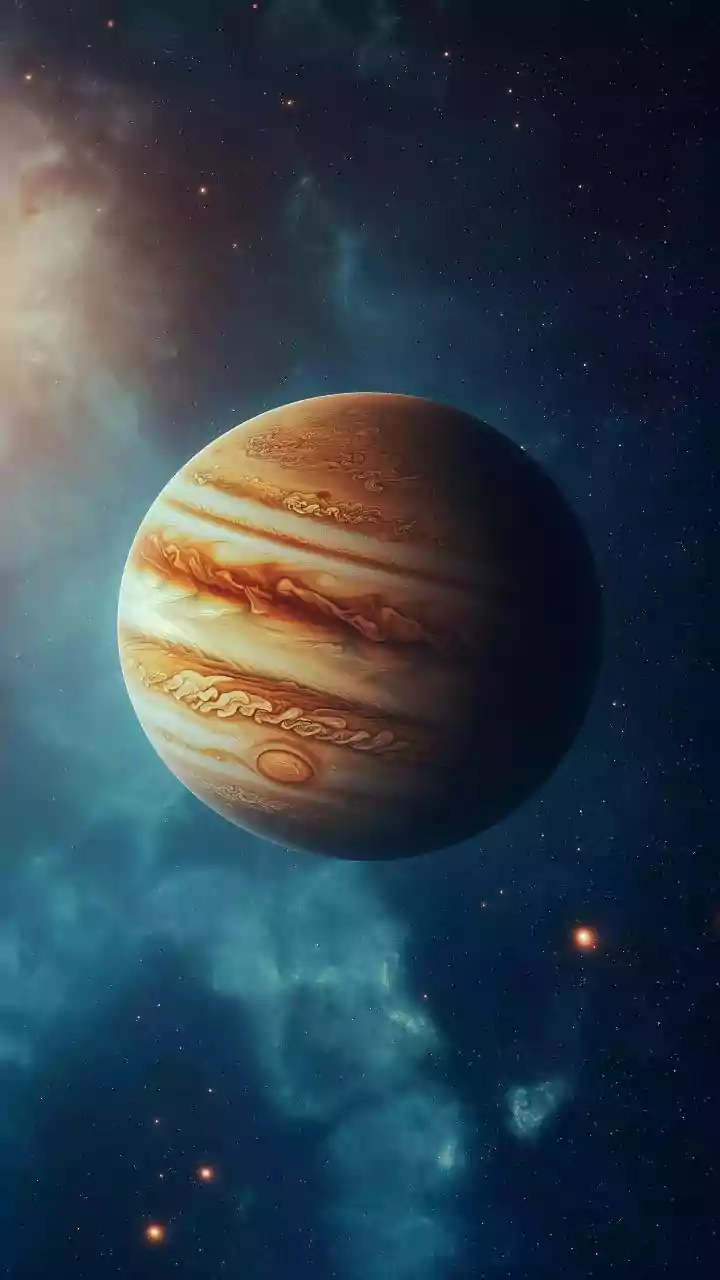
The month kicks off with a spectacular show from the ringed planet. On October 4, Saturn reaches opposition, which means Earth is directly between Saturn and the Sun. This alignment makes Saturn appear at its biggest and brightest for the entire year,
visible to the naked eye as a brilliant, steady point of light. It will rise in the east around sunset and remain visible all through the night, setting in the west around sunrise. For those in India, Saturn rises around 6:11 PM and will be high in the sky just after midnight. While you can spot the planet without any equipment, a small telescope will reveal its iconic rings, which may appear unusually bright due to a phenomenon called the Seeliger effect.
A Gentle Meteor Shower: The Draconids
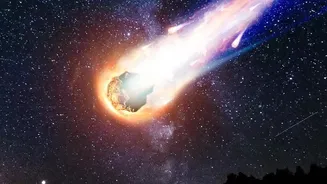
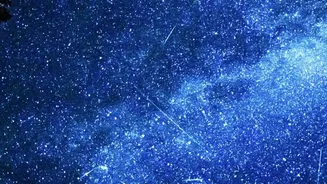
Get ready for the first of two meteor showers this month. The Draconid meteor shower will peak on the night of October 8-9. Unlike most meteor showers that are best viewed after midnight, the Draconids are best seen in the early evening, just after full darkness sets in. This is because their radiant point, the constellation Draco, is highest in the sky right after sunset. The shower is typically a modest one, producing around 5 to 10 meteors per hour. However, viewing conditions in 2026 are excellent, as the peak occurs right before the New Moon on October 10, meaning dark, moonless skies will make it easier to spot even the fainter shooting stars.
Catch a Glimpse of Mercury
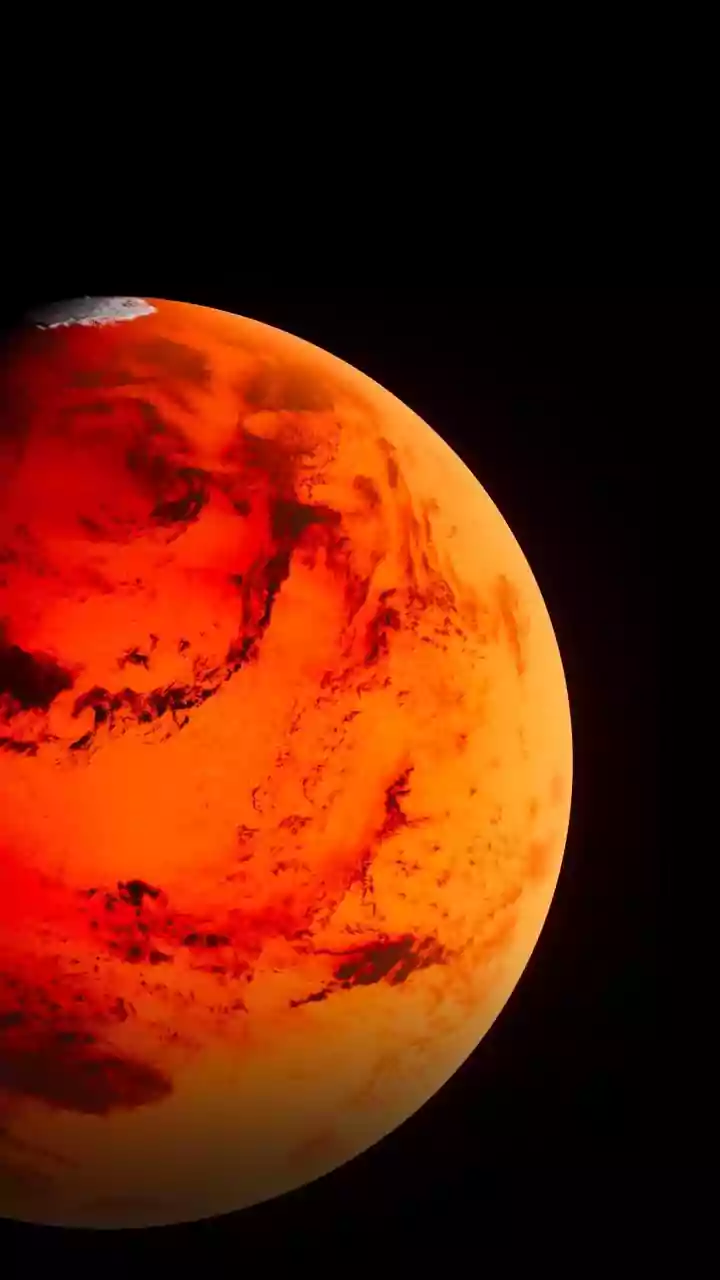
The most elusive of the naked-eye planets makes a brief appearance this month. On October 12, Mercury will be at its greatest eastern elongation. This means it will be at its farthest point from the Sun in the evening sky, offering one of the best chances this month to spot it. Look for a small, star-like dot low on the western horizon just after sunset. It will be a challenging sight, as the planet sets shortly after the Sun, so you will need a clear, unobstructed view and a bit of luck. But for dedicated sky-watchers, ticking Mercury off the viewing list is always a rewarding experience.
Halley's Comet Debris: The Orionids
The month’s second meteor shower, the Orionids, is a fan favourite. Peaking on the night of October 21-22, this shower is known for its fast, bright meteors, which are actually tiny pieces of the famous Halley's Comet. Under ideal dark-sky conditions, you could see up to 20 meteors per hour. The best time to watch will be in the pre-dawn hours of October 22, after the constellation Orion, the shower's radiant, has risen high in the sky. A waxing gibbous moon will be present for part of the night, but it is expected to set a few hours before dawn, leaving a dark window for optimal viewing.
The Full Hunter's Moon
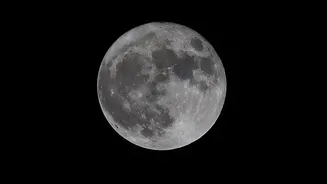
October’s celestial showcase concludes with the full Hunter's Moon. The moon will reach its peak fullness during the daytime in India on October 26 at 9:41 AM IST. Therefore, the best time to enjoy its beauty will be on the preceding evening, October 25, when it rises in the east around sunset. The name 'Hunter's Moon' comes from the time of year when, historically, the bright moonlight helped hunters spot prey in recently harvested fields. As it rises, it may appear larger and more orange than usual due to the 'Moon Illusion,' a trick our brain plays when we see it near the horizon.