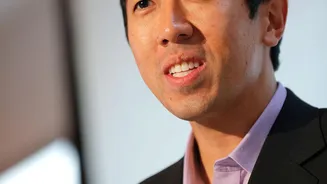







Dario Amodei, CEO of AI leader Anthropic, made a bold claim: AI could render cancer and other major diseases 'relics of the past' in under a decade. This audacious forecast raises big questions about the intersection of tech and medicine.
An Audacious Timeline
The prediction
from Dario Amodei, head of the company behind the AI model Claude, suggests that artificial intelligence could compress what would have been 50 to 100 years of medical progress into just five to 10. He argues that AI is not just a tool for analysing data but an active collaborator capable of performing, directing, and improving upon nearly everything biologists do. This vision of an 'age of miracles' was made during a roadshow for Anthropic's IPO, where Amodei positioned the company's focus on AI safety as a prerequisite for earning the public's trust to develop such powerful technology. His conviction is also personal, shaped by his own successful treatment for cancer and his father's death from an illness that became curable just a few years later.
AI's Current Role in the Fight
Amodei's ten-year timeline, while ambitious, is built on a foundation of real-world progress. AI is already a transformative force in oncology. In diagnostics, AI models are proving to be exceptionally skilled at analysing medical images like mammograms and CT scans, often spotting subtle signs of disease that the human eye might miss. This leads to earlier detection, which is one of the most critical factors for successful treatment. For example, one major Swedish trial found that AI-assisted mammogram reading caught significantly more cancers than the standard two-radiologist approach, without increasing false alarms. Beyond imaging, AI helps personalise treatment by analysing a patient's unique genetic data and medical history to predict which therapies are most likely to be effective, moving away from a one-size-fits-all approach.
Accelerating Drug Discovery
The core of the ten-year promise lies in AI's potential to revolutionise drug discovery, a process notorious for being slow and expensive, with a success rate of only about 4%. AI models can analyse vast biological datasets to identify new therapeutic targets and design novel molecules to hit them. Systems like Google DeepMind's AlphaFold, which has predicted the structure of over 200 million proteins, exemplify how AI can solve fundamental biological puzzles. Anthropic itself is partnering with pharmaceutical companies like Bristol Myers Squibb to speed up the development of new medicines. In one project, its AI helped redesign a part of a CAR T-cell therapy, making it potentially ten times more effective at killing tumour cells in lab tests.
The Reality Check: Hurdles and Skepticism
Despite the optimism from tech leaders, many in the pharmaceutical and medical communities are skeptical about the decadelong timeline. A major bottleneck is the long and rigorous process of clinical trials and regulatory approval. AI can design a drug candidate, but it cannot shorten the yearslong observation periods required to prove a treatment is safe and effective in humans. Cancer is also not a single entity but over 200 different diseases, each with its own complexities, making a single 'cure' unlikely. Furthermore, there are significant practical challenges, including the need for massive, highquality datasets for training AI, concerns over data privacy, potential algorithmic bias, and the high cost of implementing these advanced systems in hospitals.