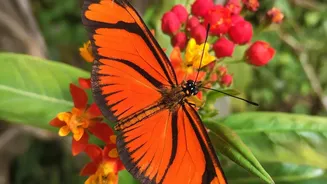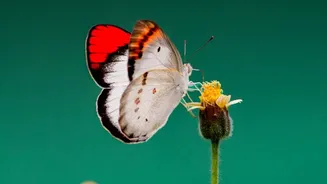




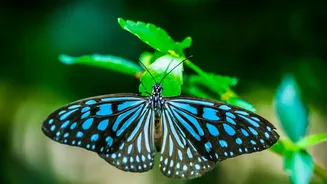

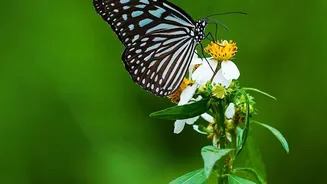
In the hustle of city life, a flicker of colour from a butterfly's wing can be a moment of pure joy. As the monsoon recedes, the autumn season offers a perfect window to help these vital pollinators thrive right from our own homes.
Why Urban Butterflies Need Our Help
Cities are expanding,
and with them, the green spaces that butterflies and other pollinators rely on are shrinking. Concrete jungles offer little in the way of food or shelter. However, our balconies, windowsills, and terraces can become crucial 'stepping stones' in the urban landscape. By creating small pockets of nature, we provide essential resources that help butterflies feed, rest, and reproduce. A well-planned urban garden, no matter its size, becomes part of a larger, living network that supports biodiversity. You are not just planting flowers; you are building a habitat.
Autumn: A Key Planting Window in India
In many parts of India, the post-monsoon period from October to November is an ideal time for gardening. The soil retains moisture from the rains, and the harsh summer heat has subsided, creating perfect conditions for seeds to germinate and young plants to establish strong roots before winter. This season is like a second spring, offering a chance to grow a variety of flowering plants that will bloom through the cooler months, providing a continuous food supply for butterflies when other natural sources might be scarce.
Plants for Nectar: Fuel for Adult Butterflies
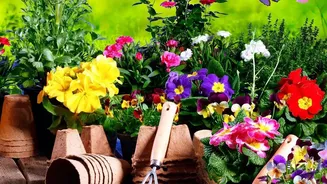
To attract adult butterflies, you need to offer them their favourite food: nectar. Butterflies are drawn to brightly coloured flowers. Many easy-to-grow plants are perfect for Indian city gardens and act as powerful butterfly magnets. Lantana is considered one of the best nectar plants in India, flowering year-round and requiring little care. Pentas, with its star-shaped flower clusters, is another favourite that thrives in containers. Marigolds, Zinnias, and Cosmos are excellent seasonal choices that grow quickly and provide ample nectar. Even common flowering shrubs like Hibiscus and Ixora, which are easy to maintain in pots, will draw these colourful visitors.
Plants for Hosts: A Home for the Next Generation
A true butterfly garden does more than just feed the adults; it provides a home for them to lay eggs and for their caterpillars to grow. These are called larval host plants, and many butterfly species are very specific about where they lay their eggs. To see butterflies not just visit but stay and breed, you need host plants. The good news is that many common Indian plants serve this purpose. The Curry Leaf plant (Kadi Patta) is a host for the Common Mormon butterfly. The Lime plant hosts the Lime Butterfly. Different species of Milkweed (Askebia) are essential for the Plain and Striped Tiger butterflies. Planting these ensures you are supporting the entire lifecycle of these fascinating insects.
Your Balcony Butterfly Sanctuary
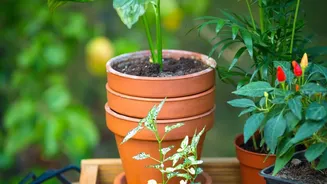
You don't need a large yard to make a difference. Start with a few pots on a sunny balcony or windowsill. Choose a mix of nectar and host plants to create a complete ecosystem. One of the most important rules is to avoid all chemical pesticides and insecticides, as these are deadly to caterpillars and adult butterflies. If you have pests, opt for natural solutions like a gentle soap spray. Also, consider creating a 'mud-puddling' spot—a shallow dish of wet sand or soil—where butterflies can absorb essential minerals and salts. With a little planning, even the smallest urban space can become a thriving haven for nature.