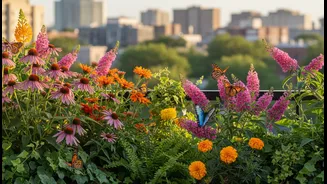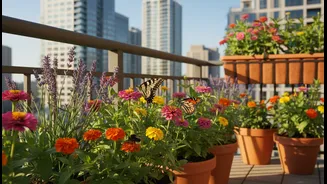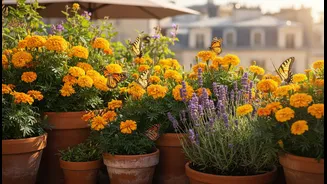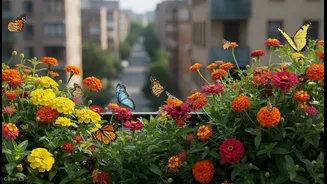





First, A Few Simple Rules
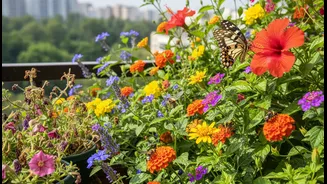
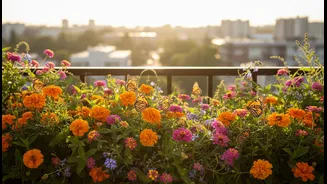
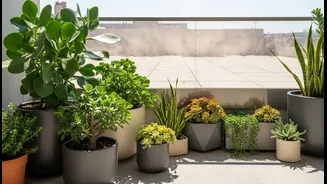
Before we get to the plants, creating a butterfly-friendly space is about more than just flowers. Firstly, butterflies are sun-worshippers, so pick the sunniest spot on your balcony for your pots. Secondly, avoid chemical pesticides and insecticides at all
costs. These are harmful to butterflies and the caterpillars they are trying to raise. Finally, consider adding a small, shallow dish of damp sand or soil. Butterflies often congregate on damp ground to drink water and absorb minerals, a behaviour known as 'mud-puddling'. Following these simple guidelines will make your balcony a far more welcoming haven.
Lantana: The Tough All-Rounder
If you want a low-maintenance powerhouse, Lantana is your answer. This hardy plant thrives in the Indian heat, producing beautiful, dense clusters of tiny flowers that butterflies find irresistible. Available in a kaleidoscope of colours—yellow, orange, pink, and purple—they bloom for long periods, providing a constant source of nectar. Lantana is drought-tolerant once established and isn't fussy about soil, making it perfect for busy or first-time balcony gardeners. Just give it a pot with good drainage and at least six hours of sunlight, and it will reward you with a non-stop butterfly show.
Marigold: The Cheerful Classic
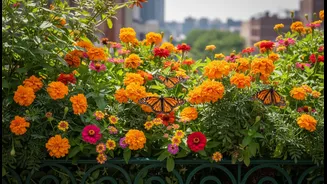
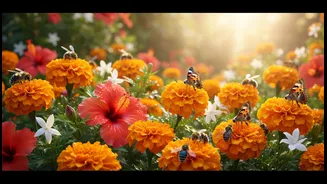
Marigolds (Genda) are a familiar sight in Indian homes and gardens for good reason. Their sunny orange and yellow blossoms act like a beacon for butterflies. These cheerful flowers are incredibly easy to grow from seed and are famously pest-resistant, which helps maintain a chemical-free environment for your winged visitors. For best results, choose single-flowered varieties rather than the dense, pom-pom-like double ones; the open structure of single flowers makes it easier for butterflies to access the nectar. They need a sunny spot and well-drained soil to flourish.
Pentas: The Star-Shaped Magnet
Also known as the Egyptian Star Cluster, Pentas produces beautiful clusters of small, star-shaped flowers that are a favourite among a wide variety of butterfly species. This hardy plant can bloom all year round in warmer climates, offering a reliable nectar source through the seasons. Available in shades of red, pink, white, and lavender, Pentas works wonderfully in pots. It thrives in full sun but will tolerate some partial shade, though it flowers best with at least a few hours of direct light. Keep the soil consistently moist but not waterlogged for a happy, healthy plant.
Ixora: The Tropical Favourite
Often called Rangan or Flame of the Woods, Ixora is a tropical shrub that loves the warmth and humidity of the Indian climate. It produces dense, globe-like clusters of tiny star-shaped flowers in vibrant shades of red, orange, and pink, creating a busy nectar cafe for butterflies. Butterflies love landing on these large flower heads, where they can hop from one tiny bloom to another without much effort. Ixora needs a large pot to accommodate its roots and a spot with plenty of direct sunlight. Keep its soil moist and slightly acidic for the best blooms.
Hibiscus: The Bold Landing Pad
The large, dramatic blooms of the Hibiscus (Gudhal) are not just for show; they are also fantastic for attracting butterflies. Their wide, open petals provide the perfect, stable landing pad for larger species like the Common Mormon. The deep trumpet shape holds a generous amount of nectar within. Hibiscus plants are happiest in large containers that give their roots space to grow and require at least six hours of direct sunlight for generous flowering. They need regular watering, but ensure the pot has good drainage to prevent the soil from becoming soggy. A little care will yield spectacular flowers and grateful butterfly visitors.