


The Zero-Cost DIY Solutions
You don’t need to spend a fortune to protect your gear. Often, the best solutions are already in your kitchen drawer. For smartphones, a high-quality Ziploc bag is a surprisingly effective barrier against rain. You can still operate the touchscreen through
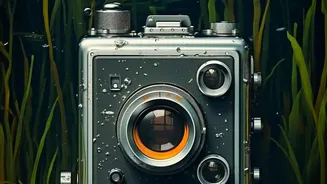
the plastic, making it perfect for quick navigation checks or snapping a photo. For best results, use a new, sturdy bag and double-bag it for extra security. For a DSLR or mirrorless camera, a simple, large plastic bag can serve as a makeshift rain cover. Place the bag over your camera, secure it around the lens with a rubber band, and then attach your lens hood over the plastic to hold it in place. You can tear a hole for the lens to see through, and the rest of the bag will shield the camera body from downpours. It's a simple, field-tested trick that can save your gear in a pinch.
Affordable Dedicated Gear
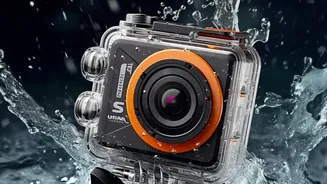
If you're a frequent trekker, investing a small amount in dedicated gear is a wise move. Waterproof phone pouches are a significant step up from a Ziploc bag. These are designed with secure locking mechanisms and lanyards, ensuring your phone stays dry and accessible. Many are certified with an IPX rating for water resistance, offering peace of mind during heavy showers. For cameras, consider a dedicated rain sleeve. These are more robust than a plastic bag, offering better protection and easier access to controls. They come in various sizes to fit different camera and lens combinations and are a must-have for anyone serious about shooting in wet conditions without splurging on professional covers.
Pro-Level Protection For Serious Trekkers
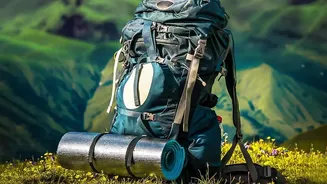
For those venturing on multi-day treks in challenging weather, investing in high-quality protection is non-negotiable. Dry bags are essential for keeping spare clothes, electronics, and other sensitive items completely dry inside your main backpack. Brands like Sea to Summit, Osprey, and SealLine offer lightweight and durable dry bags in various sizes. A 5 to 10-litre bag is typically sufficient for protecting a small collection of electronics like a camera, phone, and power bank. These bags use a roll-top closure system that creates a watertight seal. For ultimate protection, especially for expensive camera gear, a waterproof backpack or a hard case like those from Pelican or YETI can be a worthy investment. These are built to withstand full submersion and heavy impacts, ensuring your most valuable electronics survive even the most extreme conditions.
Post-Trek Care Is Crucial
Protecting your gear doesn't end when the rain stops. Humidity is the hidden enemy, leading to condensation and, in the worst cases, lens fungus that can permanently damage your equipment. After a wet trek, never store your camera in a sealed bag immediately. Allow it to air out in a dry, well-ventilated space. A crucial practice is to carry a few packets of silica gel. When you get indoors, place your camera and lenses in a bag with silica gel packets, which will absorb any residual moisture and prevent condensation from forming inside. Wiping down your gear with a dry microfibre cloth is also essential to remove any water droplets and sweat.