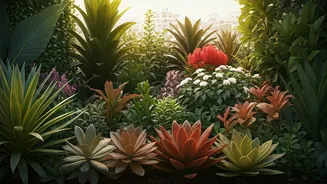

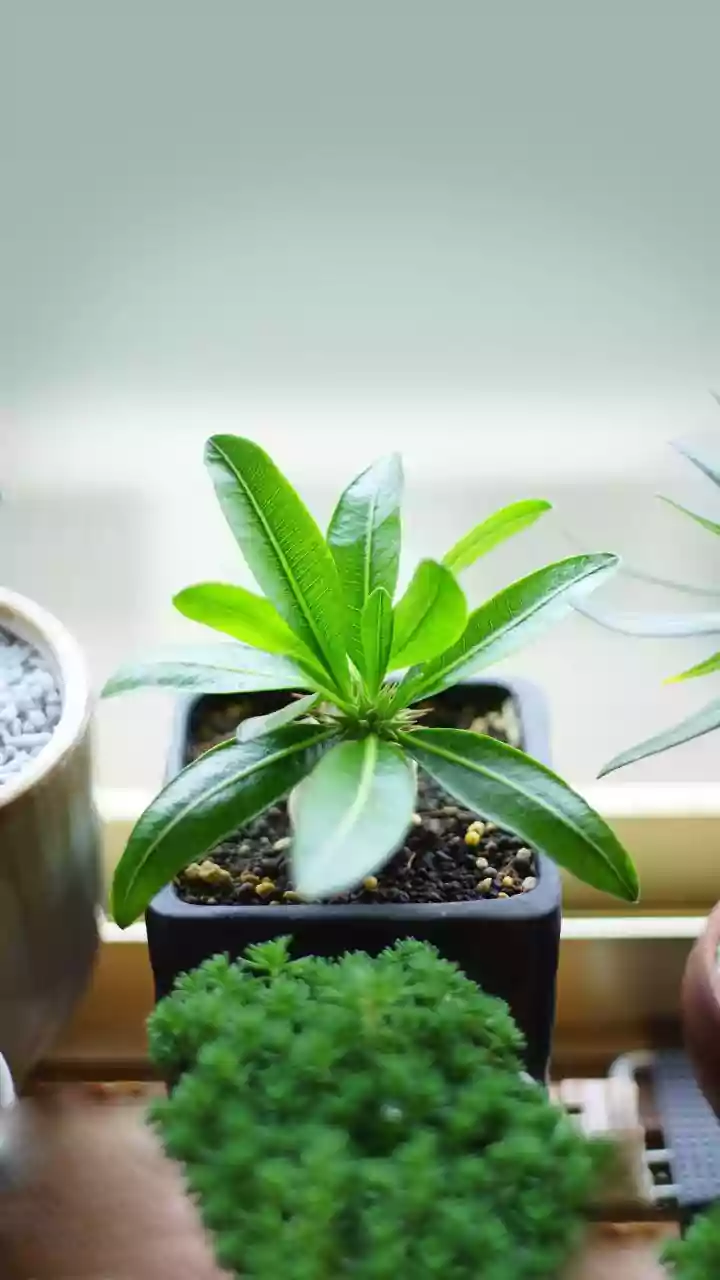


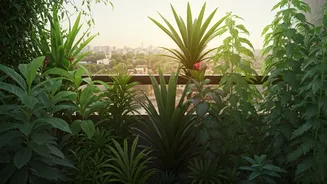



What is the Native Plant Movement?
At its heart, the native plant movement is a shift towards growing plants that have naturally evolved in a specific region over thousands of years without human intervention. Think of species like Tulsi (Holy Basil), Neem, Jamun (Indian Blackberry), or
Amaltas, which are perfectly adapted to local Indian climates, soil types, and ecosystems. This approach stands in contrast to the long-standing tradition of planting 'exotic' or imported ornamental species, which often look beautiful but can require significant resources like excessive water, fertilizers, and pesticides to survive in a foreign environment. In some cases, these non-native plants can even become invasive, disrupting the local ecological balance. The movement champions the idea that our gardens, no matter how small, can be more than just decorative spaces; they can be functional, living ecosystems.
Why the Sudden Urban Surge?
The embrace of native plants in urban India is driven by a growing awareness of environmental challenges. As cities like Bengaluru, Delhi, and Mumbai become denser, residents are feeling the effects of the 'urban heat island' effect and water scarcity. Native plants offer a practical solution. Because they are adapted to local rainfall patterns, they are often drought-resistant and require significantly less water once established, a huge benefit in water-stressed cities. Furthermore, there is a rising desire among city dwellers to reconnect with nature and create spaces that are ecologically beneficial. The pandemic, in particular, spurred a boom in home gardening, leading many to explore how their small patch of green could have a bigger, more positive impact.
The Ecological Payoff: A Haven for Local Wildlife
One of the most significant benefits of planting native species is the creation of vital habitats for local wildlife. Native plants provide the specific food, shelter, and breeding grounds for indigenous birds, bees, butterflies, and other pollinators. For instance, planting native flowering trees and shrubs can attract a host of local pollinators, which are essential for a healthy ecosystem. Studies have shown that native plants can support significantly more local insect biomass than exotic ones, creating a robust food source for birds and other animals. By choosing native flora, an urban gardener helps build 'green corridors'—a network of small green patches that allow wildlife to move and thrive even within a fragmented cityscape.
From Balconies to Terraces: Small Spaces, Big Impact
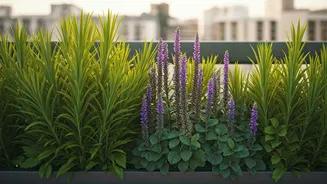
You don't need a sprawling backyard to join this movement. The urban Indian garden has moved upwards to balconies, windowsills, and rooftops. Even a few pots can make a difference. Container-friendly native plants like Marigold, Curry Leaf Plant, Arabian Jasmine (Mogra), and various types of Tulsi are perfect for small spaces. These plants are generally low-maintenance, resistant to local pests, and thrive in pots. As 23-year-old Delhi conservationist Aman Sharma proved by turning his terrace into a thriving urban forest with over 500 native plants, even limited spaces can become significant biodiversity hotspots, attracting numerous bird and butterfly species.
How to Get Started with Your Native Garden
Starting is simpler than you might think. First, identify plants native to your specific region in India. Resources from local nurseries or organisations like the Botanical Survey of India can be helpful. When buying plants, opt for plug plants over seeds for a higher success rate, and ensure you use a good quality potting mix rather than compacted soil from outside. Some excellent beginner-friendly choices that are native or well-adapted across many parts of India include Hibiscus, Marigold, Curry Leaf Plant, and Brahmi. For those with more space, trees like Neem or Amaltas are fantastic choices. The key is to start small, observe what thrives in your specific light and weather conditions, and gradually build your native sanctuary.