




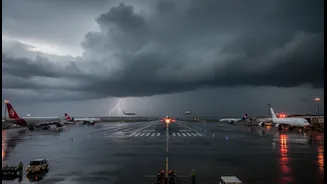



Why Monsoon Rains Ground Flights
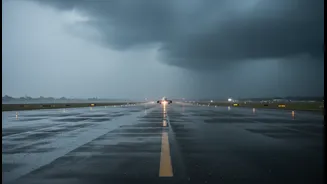
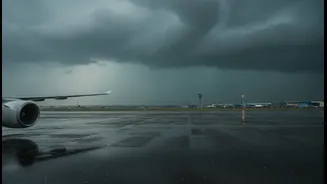
While a drizzle might seem harmless, the monsoon's intensity poses serious challenges for aviation. Heavy rainfall significantly reduces visibility, a critical factor for pilots during takeoff and landing. Strong, gusty crosswinds can make runway manoeuvres
unsafe, and waterlogging on the tarmac can impact braking and ground operations. Aviation regulator, the Directorate General of Civil Aviation (DGCA), has specific guidelines for monsoon operations, directing pilots to avoid convective weather systems and prioritising safety over schedule. These safety protocols mean that even if the rain seems manageable from your window, conditions at the airport could be severe enough to warrant delays, diversions, or cancellations. In recent days, heavy rains have led to dozens of flights being diverted from Delhi to nearby airports like Jaipur and Lucknow.
Your Pre-Airport Action Plan
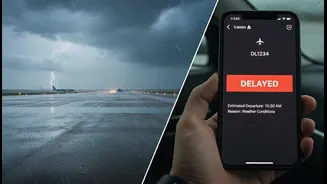
The golden rule before heading to Indira Gandhi International (IGI) Airport during a downpour is to verify your flight's status. Do not assume your flight is on time. Major airlines like Air India, IndiGo, and SpiceJet consistently issue travel advisories during adverse weather, urging passengers to check for updates. The most reliable sources are the airline’s official website or mobile app, which provide real-time information. You can also check the official Delhi Airport website for general operational updates. Signing up for SMS or email alerts from your airline when you book your ticket is another proactive step that ensures you receive immediate notification of any changes to your flight schedule.
Factor in the Commute Chaos
Getting to the airport is half the battle on a rainy Delhi morning. Waterlogging is a common problem across the city, leading to major traffic snarls and slowing down travel significantly. Areas around the airport and key arterial roads can become chokepoints, turning a one-hour journey into a much longer ordeal. Airlines and airport authorities often advise passengers to allow for extra travel time. In some advisories, passengers have even been encouraged to use the Delhi Metro's Airport Express Line to bypass road congestion and ensure they reach the airport on time. Leaving home much earlier than you normally would is not just a suggestion; it’s a necessity to avoid the risk of missing your flight, even if it’s on schedule.
Know Your Rights During Delays
If your flight is delayed or cancelled, it is important to know your rights as a passenger under DGCA regulations. While airlines are not required to provide monetary compensation for disruptions caused by circumstances beyond their control, such as bad weather, they still have a duty of care. For domestic flights, if a delay exceeds two hours, airlines are obligated to provide you with free meals and refreshments. Should the delay extend overnight, they must offer hotel accommodation and transfers between the airport and the hotel. If a flight is delayed by more than six hours, you are entitled to a choice between a full refund or being re-routed on an alternative flight. Always communicate with your airline's ground staff to understand the options available to you.
Stay Patient and Prepared
Dealing with travel disruptions is frustrating, but maintaining a calm and prepared mindset can make the experience more manageable. Keep your devices charged so you can stay updated on flight information and communicate any changes in your travel plans. Pack essential items like medications, a change of clothes, and snacks in your carry-on luggage in case you face an extended delay at the airport. Airport and airline staff are often managing a chaotic situation, and a patient approach can lead to a more constructive resolution. Remember that all decisions to delay or divert flights are made with passenger safety as the foremost priority.